Water Damage Restoration in Dunn
A spreading puddle can leave wet materials well beyond its visible edge. Dunn property owners need a clear sequence: control the source, remove escaped water, inspect concealed spaces and measure the structure as it dries.
(888) 578-4720Discuss the damage in Dunn- Source assessment
- Room moisture mapping
- Documented drying
Describe the water source, affected rooms and any access hazards when discussing the next cleanup step.
- 24/7 water responseSource control comes first
- IICRC S500A measured drying endpoint
- Water extractionRemove liquid before evaporation
- Moisture recordsTrack the materials below the finish
Cleanup matched to the way water entered
Different losses require different decisions. These service pages explain the initial concern, the materials worth checking and the work that connects water removal with a usable room again.

Water Extraction
Standing water needs a removal method suited to its depth and source, followed by attention to moisture retained beneath finishes and room edges.
Water Extraction
Burst Pipe Water Damage
A pressurized pipe break can spray across several surfaces. Source isolation and a record of the full wet area establish the cleanup boundary.
Burst Pipe Water Damage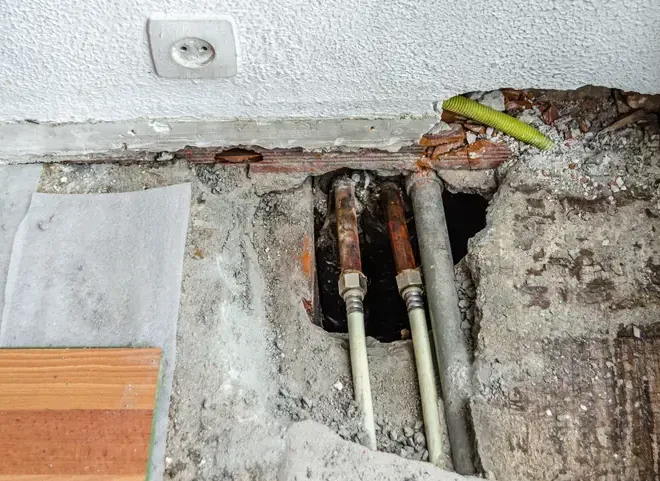
Slab Leak Water Damage
Water appearing through a floor calls for pipe diagnosis and a separate assessment of wet coverings, adhesive layers and adjoining partitions above the slab.
Slab Leak Water Damage
Ceiling Leak Water Damage
A stain overhead may sit away from the original leak. Ceiling assessment tracks the route through cavities while keeping people clear of unstable finishes.
Ceiling Leak Water Damage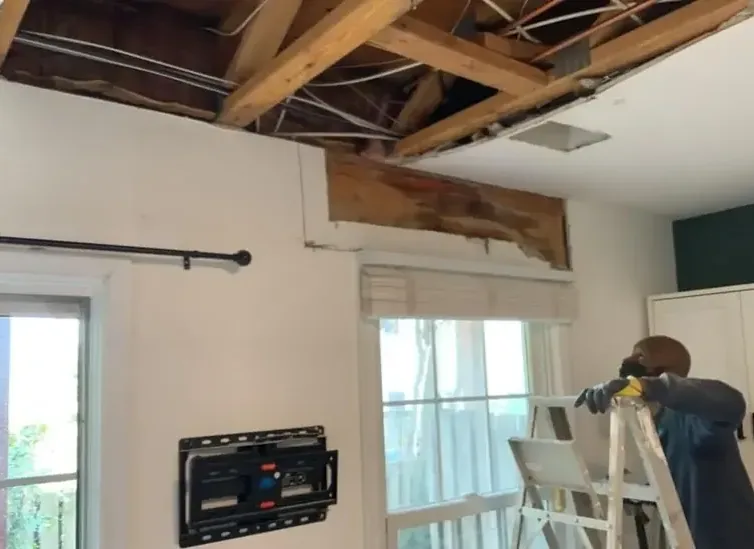
Roof Leak Water Damage
Rain entering overhead can soak insulation before reaching the room. Interior cleanup follows the moisture path after safe arrangements for stopping further roof entry.
Roof Leak Water Damage
Storm Flood Cleanup
Outside water brings a different cleanup problem from a supply spill. Entry points, deposited debris and contact with absorbent materials shape removal decisions.
Storm Flood Cleanup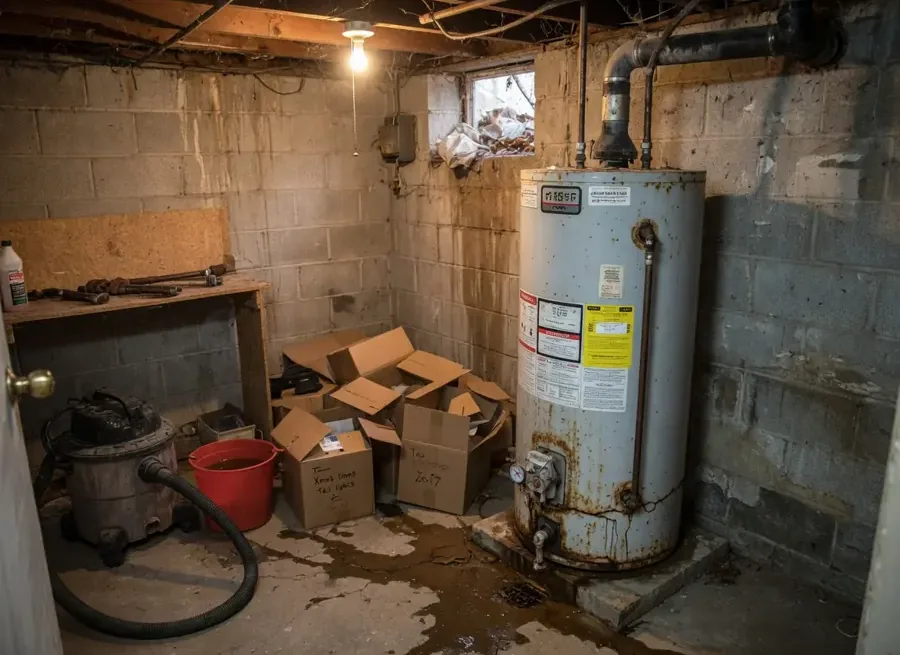
Water Heater Leak Cleanup
A leaking tank can wet the platform and nearby flooring. Safe equipment isolation comes before extracting water and evaluating the concealed surrounding materials.
Water Heater Leak Cleanup
Appliance Leak Water Damage
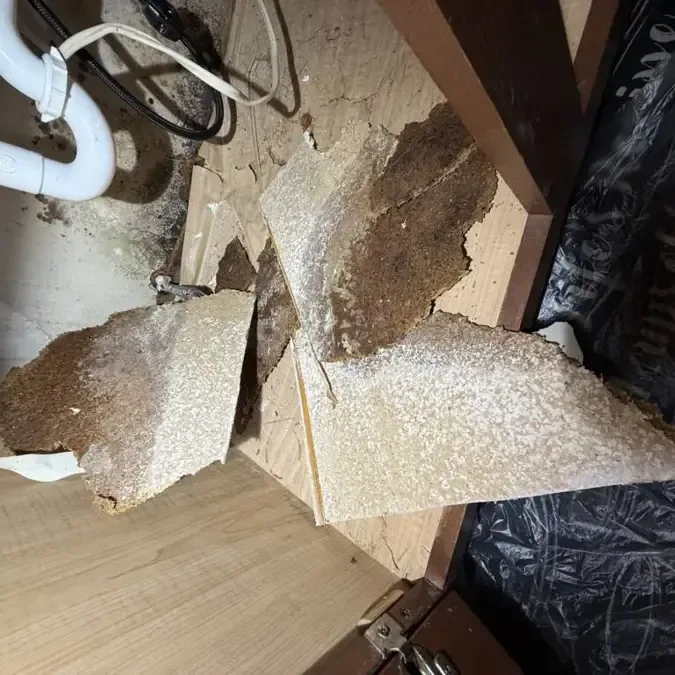
Washer discharge and hidden kitchen leaks often travel beneath cabinets. Inspection follows the appliance footprint and connected floor layers instead of stopping at puddles.
Appliance Leak Water Damage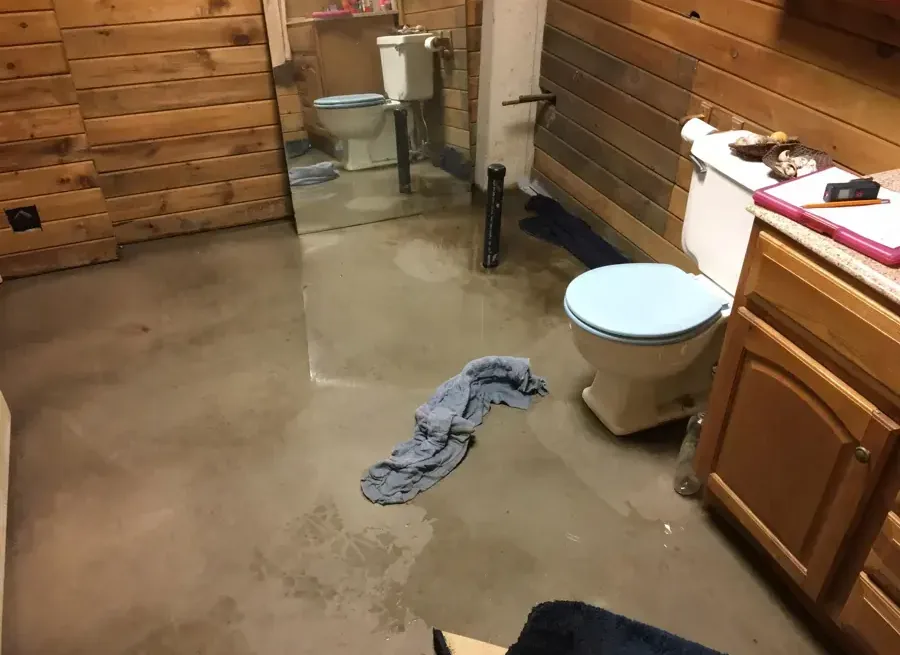
Toilet Overflow Cleanup
An overflowing bowl requires separation from occupied space. Cleanup considers wastewater contact, bathroom seams and any route into adjoining rooms or the ceiling below.
Toilet Overflow Cleanup
Sewage Backup Cleanup
Water returning through drains requires controlled access and sanitation. Material removal depends on contamination contact as well as how deeply the affected assemblies became wet.
Sewage Backup Cleanup
Hardwood Floor Water Damage
Cupped boards need moisture measurements above and below the finish. Drying feasibility and later repair decisions depend on the entire flooring assembly's condition.
Hardwood Floor Water Damage
Structural Drying
After visible water disappears, framing and wall cavities can remain wet. Drying equipment and repeat readings address the moisture held inside those building materials.
Structural Drying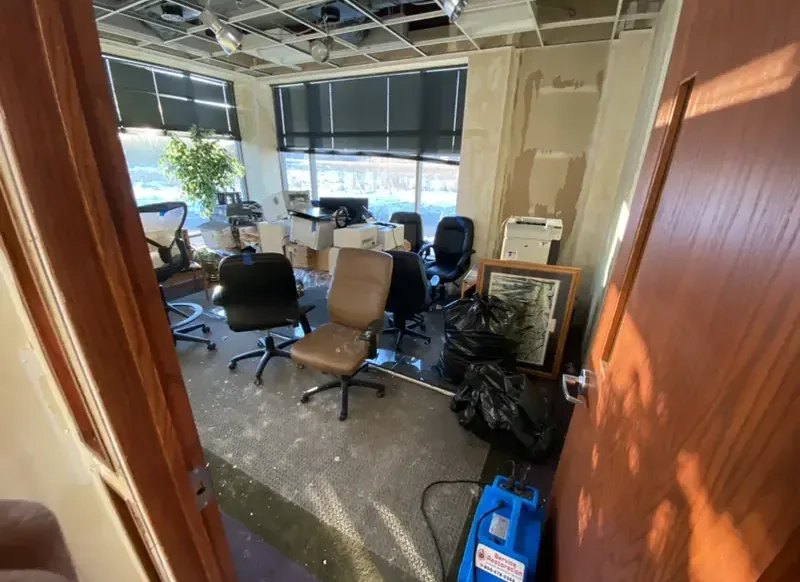
Commercial Water Damage
Business cleanup starts with affected work areas, inventory and safe routes. A staged scope helps managers coordinate access while documenting damage to occupied spaces.
Commercial Water Damage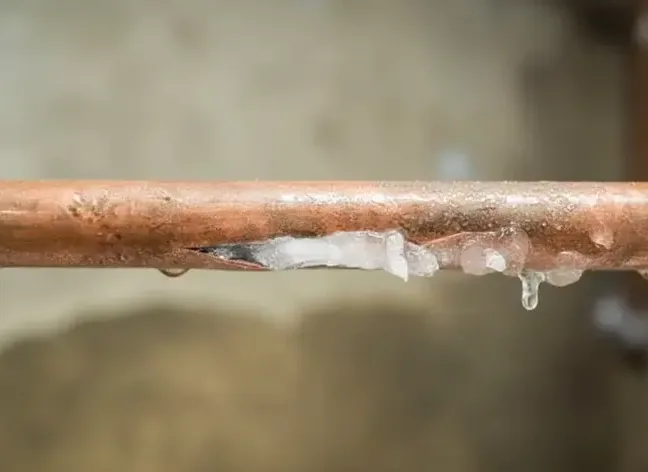
Frozen Pipe Water Damage
A thaw can reveal a split that was hidden by ice. Releasing pressure safely and checking additional pipe sections precede the wet material assessment.
Frozen Pipe Water Damage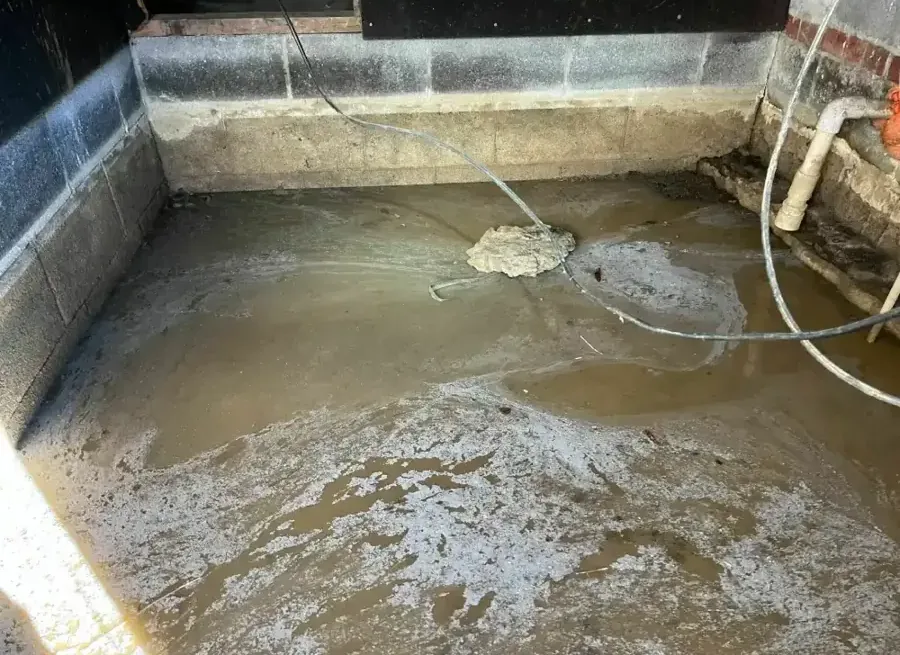
Crawl Space Water Removal
Water beneath a home needs safe access and a discharge plan. Underfloor inspection considers insulation, timber and recurring entry after the pooled water leaves.
Crawl Space Water RemovalReduce the immediate problem without spreading the damage
- Keep a dry boundary
People and pets should stay clear of sewage, sagging ceilings and water near electrical equipment. A dry doorway makes a useful stopping point.
- Stop a safe source
An accessible shutoff may limit a supply leak. A valve reached through standing water or beside exposed wiring requires qualified assistance instead of entry.
- Record the visible change
Photographs from a safe position can show the water height, damaged belongings and original leak location before extraction changes the appearance of the room.
- Separate vulnerable belongings
Move dry items away from the wet boundary when access is safe. Keep contaminated belongings separate so their handling does not soil clean spaces.
- Describe the route inside
Identify the entrance, affected floor and any blocked stairs. Mention ongoing discharge or overhead movement before anyone carries cleanup equipment through the building.
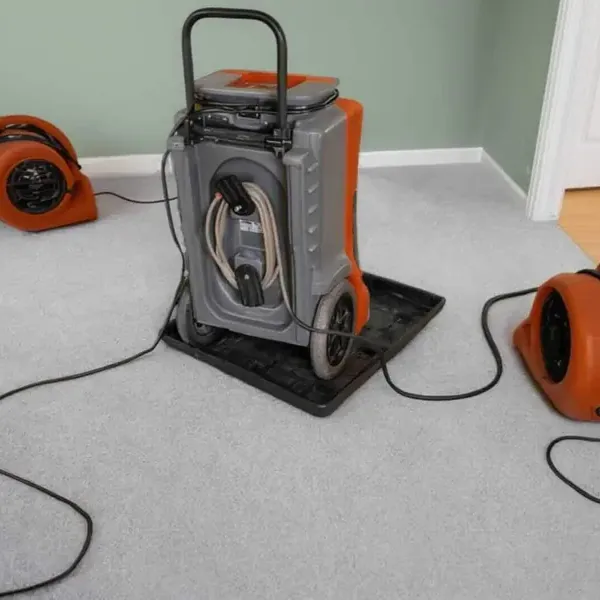
Useful answers for each stage of the loss
Restoration decisions become easier when the scope identifies what is wet, what can stay and what needs opening. Written observations keep the property owner involved as hidden damage becomes accessible during work.
Defined wet boundary
Room sketches and material readings describe the extent of the loss, including floor transitions where water can escape the area that first looked affected.
Separate repair decisions
Stopping a plumbing leak, drying a wall and replacing its finish are different tasks. The written scope should explain how those tasks connect.
Measured equipment changes
A drying setup should respond to material progress and room conditions. Equipment removal follows the remaining moisture rather than the disappearance of surface puddles.
Clear property records
Photographs, disposal notes and drying observations preserve a practical record for the owner, property manager and any insurer reviewing the damaged building materials.
Track the materials through the cleanup
A good dry surface is only part of the result. The restoration sequence also considers concealed moisture, contaminated finishes and the condition required before the repaired area closes again.
- Inspect the assembly
- Set drying goals
- Assess final readings
- Inspect source and spread
The first assessment identifies entry, checks connected surfaces and marks spaces that need further inspection once safe access becomes possible during the cleanup.
- Remove water and debris
Extraction reduces the liquid burden. Damaged absorbent materials are evaluated separately, with handling controls selected for the actual water source and contact.
- Manage drying conditions
Air movement and moisture removal work together around exposed materials. Repeat measurements reveal slow areas that need a changed setup or additional access.
- Prepare the repair handoff
Closing observations record material condition and unresolved repairs. Finishes return after the drying assessment establishes that the affected assembly is ready for rebuilding.
What affects restoration costs in Dunn?
Dunn water damage restoration may range from $900 to $10,000+ across the examples below. Water source, concealed spread, material removal and drying access determine the actual scope. An inspection separates immediate mitigation from subsequent plumbing or finish repairs.
Limited room cleanup
$900 to $3,000
- Accessible water on exposed surfaces
- Few adjoining materials needing attention
- Focused equipment placement and monitoring
Connected material damage
$3,000 to $7,000
- Water crossing several room boundaries
- Wall cavities or flooring layers
- Additional removal and drying checks
Extensive building impact
$7,000 to $10,000+
- Widespread concealed or contaminated moisture
- Complex access to damaged assemblies
- Larger equipment and disposal needs
These figures describe cleanup planning rather than a property quote. The written estimate should identify affected materials, equipment needs, disposal work and exclusions before the scope expands.
Examples of equipment, moisture and opened materials
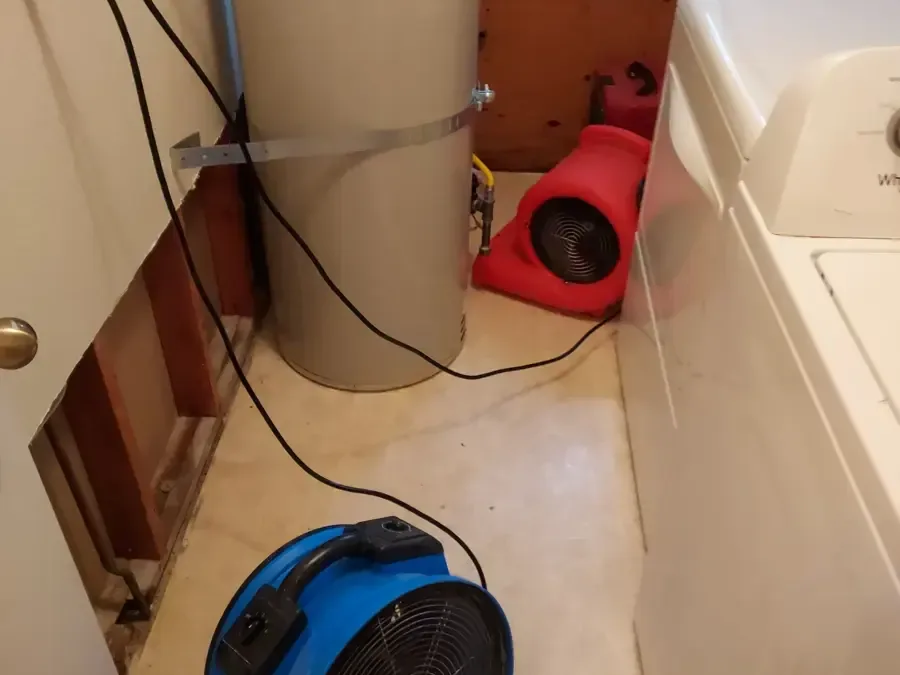
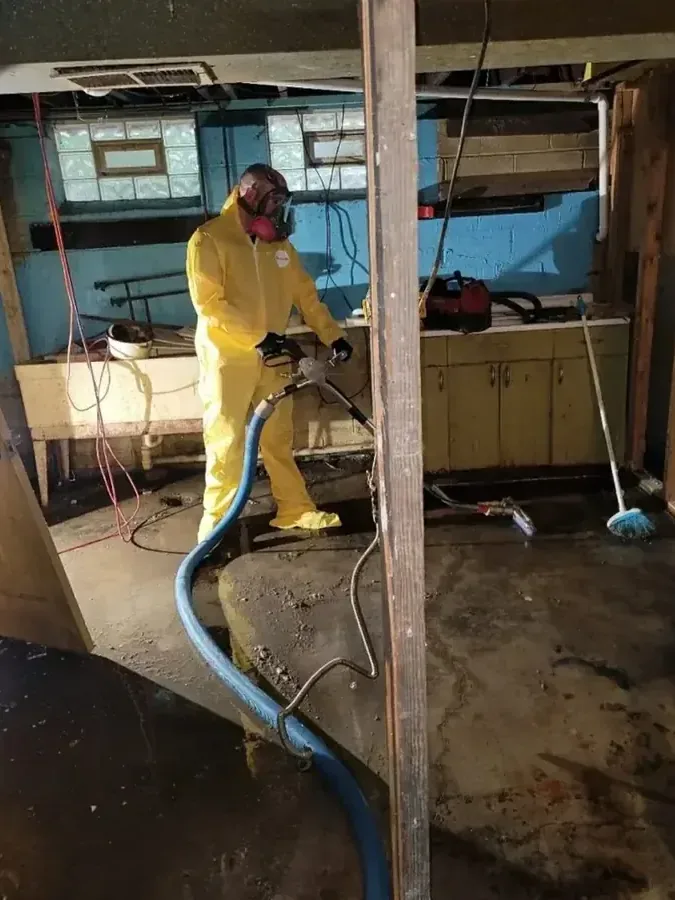
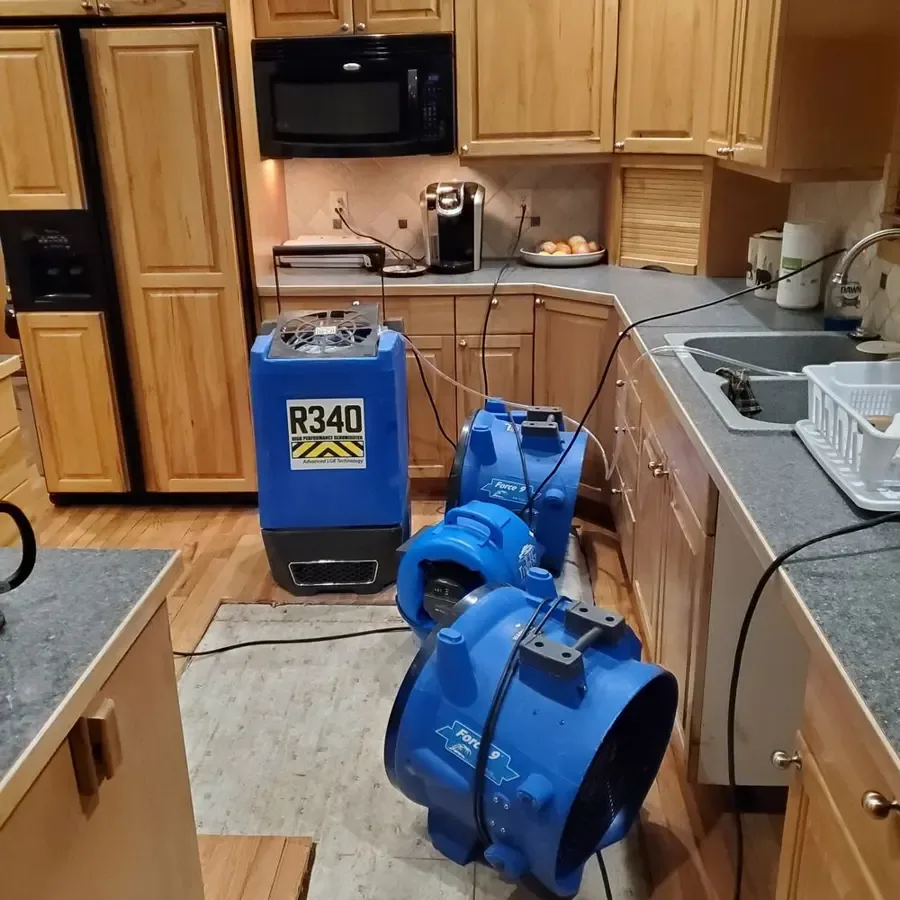
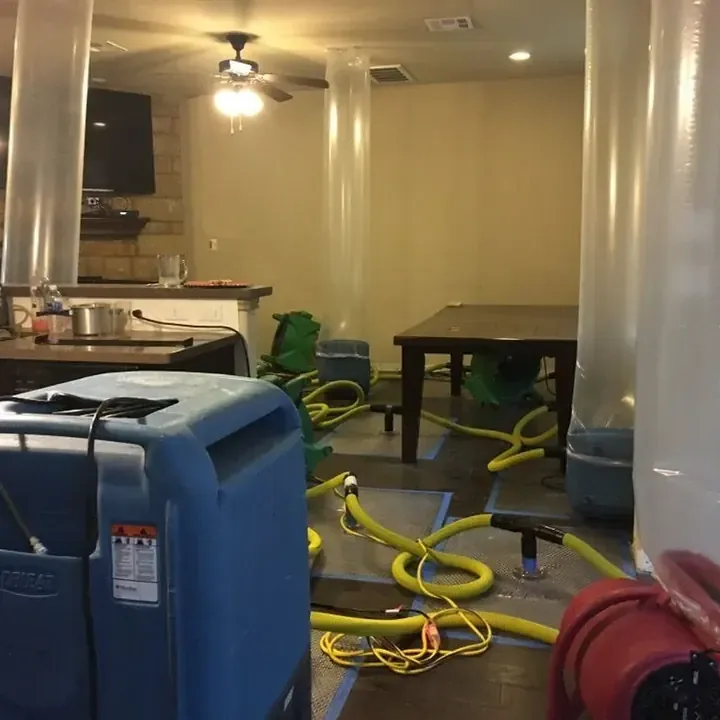
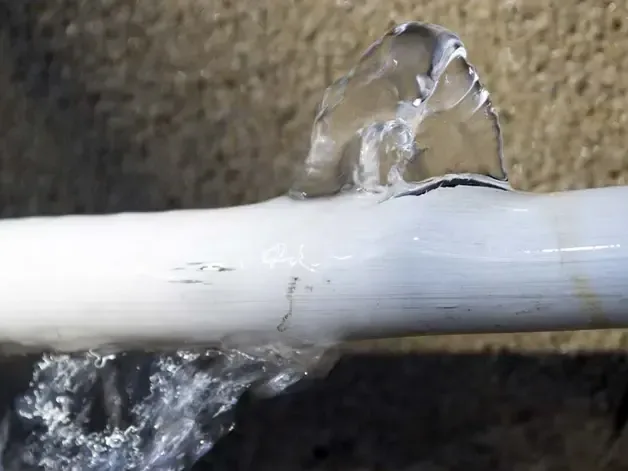
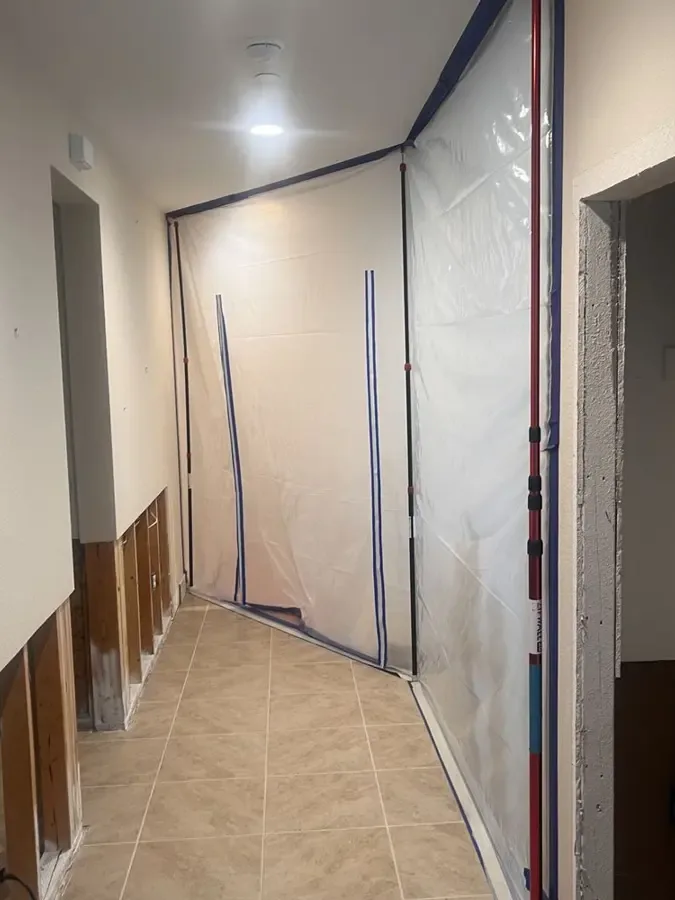
Three common routes into a wet building
Water escaping a supply
A broken pipe may keep replenishing the puddle until its feed stops. Follow the pressure loss and the spray path before placing drying equipment.
Trace pipe dischargeLeaks around an appliance
A machine can release water behind its visible front. The footprint, cabinet plinth and floor transition often deserve inspection before the unit returns to service.
Check behind the machineWastewater returning indoors
Drain backups require a controlled dirty area and a plan for affected porous materials. Ordinary surface drying leaves the sanitation part of the problem unfinished.
Understand contaminated cleanupDocument decisions as rooms change
A claim assessment benefits from clear dates, photographs and item descriptions. Policy decisions belong to the insurer; the cleanup record should describe what happened and what work followed.
- Photograph water before the room changes
- Record when the leak was discovered
- Retain invoices for source repair work
- List damaged belongings by room location
- Keep equipment records and material observations
When paying directly
An owner paying for cleanup can request a scope divided into immediate water removal, material access and drying. That breakdown makes priorities easier to compare before work proceeds.
Ask which repairs sit outside mitigation and how newly discovered wet areas will be documented. A revised written scope helps explain costs when hidden damage becomes accessible.
Identify the entrance and affected area
Recognizable access references
- Clinton Avenue
- Cumberland Street
- U.S. Route 301
- Interstate 95
Dunn ZIP codes
28334 · 28335
Explore other coverage pagesMake the first description useful
Dunn sits in eastern Harnett County, with Erwin bordering the city to the west. A property description should identify the actual entrance and any restriction affecting equipment access.
For a central location, Clinton Avenue and Cumberland Street offer recognizable references. Describe wet rooms, stairs and locked areas separately so the cleanup discussion starts with the building's present condition.
(888) 578-4720Explain access and wet areasPlan before you call
Nearby service areas
Water damage questions explained
Read the water damage articles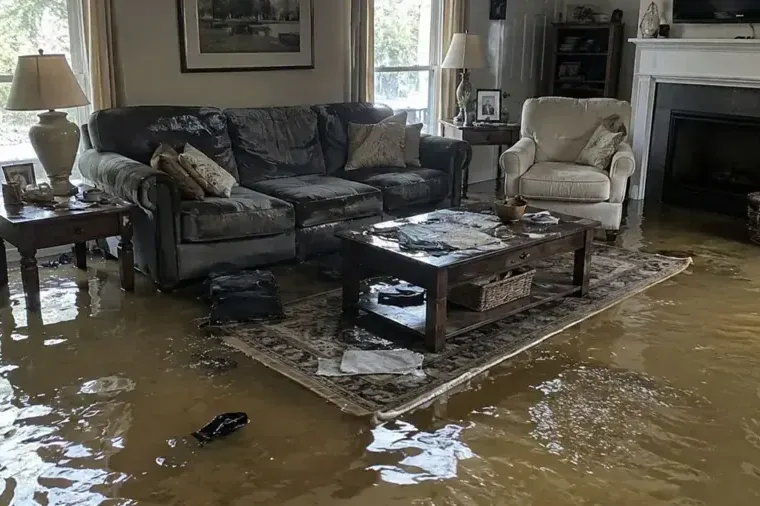
Practical water concerns for Dunn properties
Dunn has a humid subtropical climate. Rain exposure and cold weather deserve different preparation, while an indoor leak still requires a close look at the affected building's own materials.
January 21, 1985: Dunn recorded minus 4 degrees Fahrenheit. Cold weather planning includes accessible shutoffs, attention to exposed plumbing and checks when frozen sections thaw.
- Summer rainfall: July's listed average precipitation is 5.93 inches. After roof entry, inspection should follow wet insulation and ceiling surfaces before repainting the room beneath them.
- Late season rain: September's listed precipitation average is 5.50 inches. Keep runoff entry and indoor plumbing discharge distinct when describing newly discovered water around an exterior doorway.
- Historic properties: The Dunn Commercial Historic District is nationally listed. In an affected building, document existing finishes before deciding how to reach damp concealed materials.
- Unoccupied rooms: Vacant properties can have leaks that go unnoticed between visits. Shutoff awareness and checks of seldom used rooms help owners discover water before further spread.
- Floor level changes: Water can cross thresholds and descend through openings. The room below a spill deserves attention even when its ceiling initially shows a small mark.
Questions before cleanup begins
What matters first when a room is wet?
Safety and source control take priority. Water near electrical equipment, an unstable ceiling or sewage requires restricted access. Once those concerns are addressed, extraction and inspection can establish how far the moisture traveled.
Can cleanup start before all repair decisions are made?
Immediate mitigation and permanent repairs can be scoped separately. Removing water and documenting wet materials helps stabilize the loss while a plumber, roofer or other appropriate trade addresses the source and plans later repairs.
Does a dry floor surface mean cleanup is complete?
A surface may dry while material beneath it remains damp. Flooring layers, cabinet bases and wall cavities need assessment where water reached them. Completion depends on material condition and measurements, along with the required cleaning.
How should an owner describe a central property?
Clinton Avenue carries U.S. Route 301, while Cumberland Street carries U.S. Route 421. Those references can help describe access. The wet area's location inside the building is equally useful when planning the initial assessment.
Is every wet item automatically discarded after a leak?
Decisions depend on contamination, physical condition and practical drying access. A clean supply spill and a wastewater backup require different handling. Damaged belongings should be listed and photographed before disposal decisions alter the record.
What if the property remains occupied during drying?
Occupancy depends on safe access, contamination and the work area. Equipment, hoses and opened materials can obstruct normal movement. A clear separation between occupied rooms and active cleanup areas should be discussed before work starts.
Should windows stay open with dehumidifiers running?
The drying plan determines room conditions. Opening windows can introduce humid outdoor air and disrupt a controlled setup. Ask how the equipment area should be used and which doors or windows need to remain closed.
Can a historic finish be retained after water damage?
Retention depends on the particular material and the extent of damage. Document decorative details before opening an assembly. Inspection can compare careful access and drying with removal where the finish is unstable or cannot recover.
What records help explain the final invoice?
A clear scope, photographs, equipment records and notes about added wet areas help connect costs with the work. Any changes should identify why more access, disposal or drying became necessary as concealed materials were inspected.
Who decides whether an insurance policy covers the damage?
The insurer determines coverage using the policy and circumstances of the loss. Restoration documentation can describe water source, observed damage and mitigation work. It should preserve a factual record rather than promise a particular claim outcome.
Describe what changed in the building
A useful first conversation starts with where water appeared, whether it continues entering and which rooms can be reached safely for an assessment.
(888) 578-4720Discuss the visible changesTurn the wet area into a clear plan
Describe the source, affected surfaces and present access conditions. A focused assessment can connect immediate water removal with the material checks needed for repair.