Sewage Backup Cleanup in Dunn
A drain backup can contaminate surfaces beyond the deepest water. Cleanup needs a defined dirty area, controlled removal and decisions about porous materials before the retained structure is cleaned and dried.
(888) 578-4720Discuss the sewage contact path- Controlled access
- Porous material decisions
- Cleaning before drying

First steps for sewage backup cleanup
- Keep occupants beyond wastewater contact
Close affected rooms from a clean area when possible. Children and pets must avoid wet flooring, contaminated belongings and the route intended for material removal.
- Limit discharge into affected plumbing
Stop contributing fixture use until service establishes the cause. Adding water to test a drain can worsen the backup while wastewater remains inside the building.
- Describe every visible return point
List involved drains and wet rooms. Mention ongoing entry, electrical contact and whether the normal entrance requires crossing the contaminated floor before reaching clean space.
- Preserve contents information safely
Photograph items from outside the affected area and note their room. Leave wet belongings for controlled handling instead of moving them through occupied spaces before assessment.
How the team handles sewage backup cleanup
Rapid local response
The response team prioritizes source control, safe entry and the full path of wet materials. A visible puddle is only the starting point for the assessment.
IICRC S500 drying standard
The drying technician measures affected assemblies, sets a dry reference and adjusts air movement and dehumidification to the materials that remain.
Claim-ready documentation
The mitigation file records photographs, moisture readings, removal decisions and equipment use. The property owner checks policy questions with the insurer.
Local water experts
The restoration assessment separates the water source from the damage it leaves behind. Plumbing repairs, safe electrical access and material drying each receive attention.
What does sewage backup cleanup cost in Dunn, NC?
Sewage backup cleanup in Dunn has planning examples from $1,500 to $12,000+. The contamination boundary, porous material removal and controlled access affect cost. Drain correction and reconstruction should be identified apart from the recovery, sanitation and drying work inside the affected property.
Limited contaminated room
$1,500 to $3,000
- Defined wastewater contact in one area
- Accessible surfaces for controlled cleaning
- Limited porous material disposal scope
Connected contaminated areas
$3,000 to $5,000
- Wastewater reaching several room thresholds
- More finishes and contents assessed
- Expanded protected equipment removal routes
Extensive sewage contact
$5,000 to $12,000+
- Broad contaminated building material exposure
- Complex access and debris handling
- Larger sanitation and drying requirements
Compare the materials, water category and wet area with the cost planning calculator. An on-site assessment defines the work and any separate repairs.
The sewage backup cleanup process
- 1
Set containment and recovery access
Define the work area around wastewater contact. Equipment and removal routes should reach affected rooms while protecting the clean spaces that remain occupied during recovery.
- 2
Recover sewage and evaluate porous components
Remove wastewater under controlled conditions. Flooring, wall materials and contents receive contamination and damage assessments, with decisions recorded before disposal alters the visible scene.
- 3
Clean the retained building surfaces
Suitable materials receive sanitation that includes joints, corners and exposed substrates. Cleaning follows actual contact beyond the location where the deepest water originally stood.
- 4
Measure drying before repair handoff
Check the exposed structure after cleaning and drying. Records distinguish drain service, sanitation and unfinished reconstruction so the next trade understands the retained assembly.
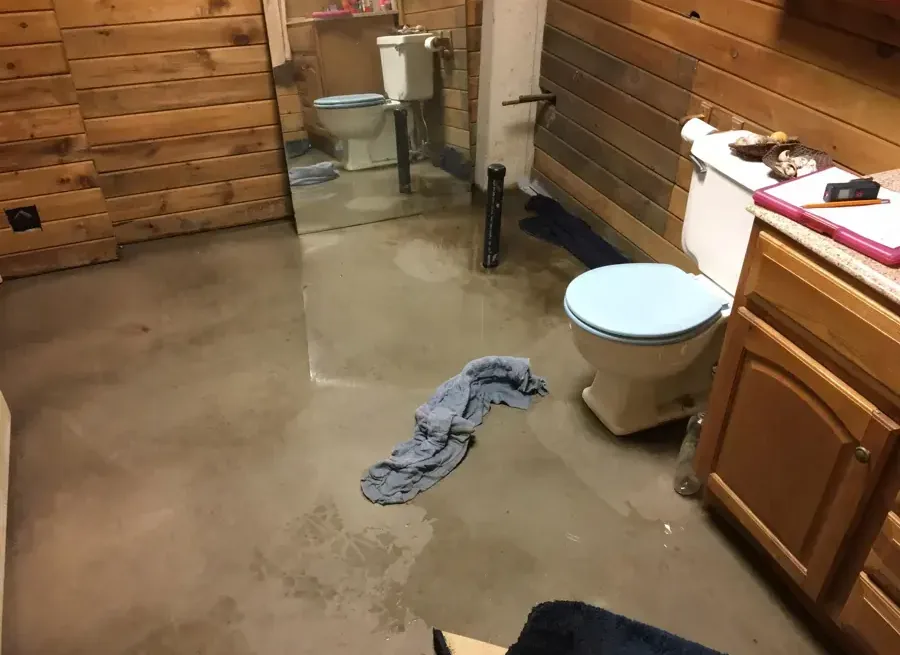
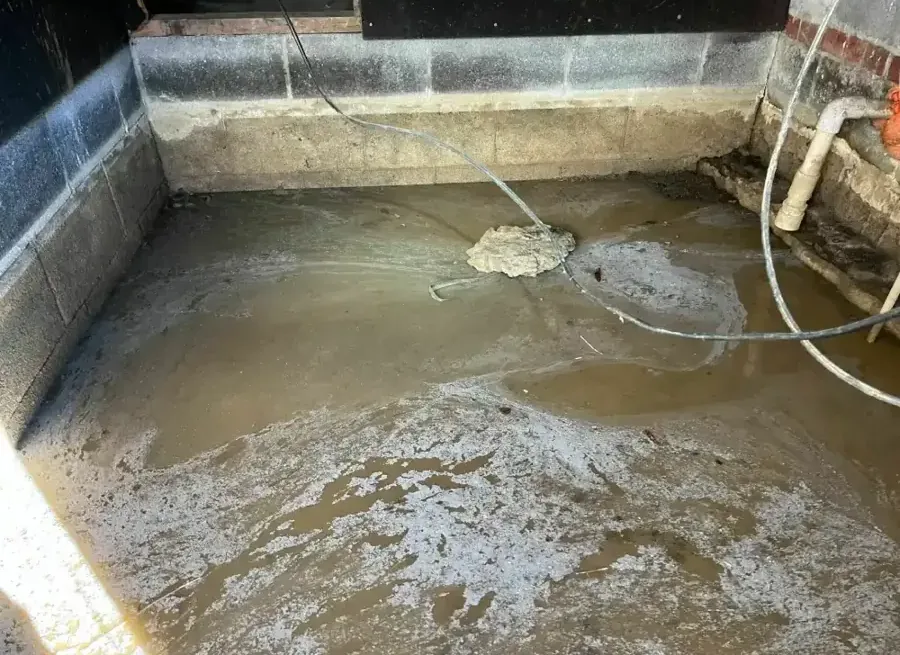
Sewage returning through a floor drain or fixture needs a different work area from an ordinary supply spill. At a Dunn property, the contact boundary may include furniture legs, low shelving and flooring well beyond the drain. Keeping occupants out of that area prevents ordinary movement from carrying wastewater onto clean surfaces elsewhere in the building.
Control the route out of the contaminated room
A removal path should be established before wet contents or debris are carried through the property. Plastic protection and suitable handling can keep the affected route separate from occupied space. The assessment also considers whether wastewater continues entering, because drain correction and recovery must be coordinated to avoid repeated contamination during the cleanup.
- Identify every drain or fixture showing backup, along with the rooms where wastewater has reached floor finishes or contents.
- Keep shoes, pets and movable belongings from crossing between the dirty area and rooms that remain suitable for occupancy.
- Document low stored items and cabinet bases before removal changes the record of contamination contact within the room.
- Report wet electrical equipment or water covering access steps so those hazards are considered before recovery work begins indoors.
Judge materials by contact and construction
Absorbent backing, paper-faced surfaces and other porous components can retain contamination beyond a cleanable face. A removal decision should identify the affected layer and the reason it cannot remain. Hard retained surfaces still require appropriate cleaning, including joints and corners where residue collects after the standing water has been recovered.
Clinton Avenue follows U.S. Route 301 through Dunn, while Cumberland Street carries U.S. Route 421. At a property along either corridor, describe the clean entrance and the contaminated interior route separately. A clear arrival location helps coordination, but safe separation depends on the building's actual layout.
Dry what remains after the sanitation decisions
Running drying equipment over untreated contamination does not complete sewage cleanup. Liquid recovery, material removal and cleaning establish a suitable retained assembly. Drying then addresses moisture within that assembly, with access maintained for observations at the bottom of walls, floor joints and other places where wastewater contact occurred.
Interstate 95 passes through the city's eastern side. Across Dunn, the useful end record is specific to the loss: contact areas, discarded materials, cleaning work and final moisture observations. If the event began at a single fixture, toilet overflow cleanup explains the bathroom interfaces that may also need inspection during a larger backup assessment.
Review flood safety precautions before entering a wet building and EPA indoor air quality information when planning cleanup.
Sewage backup cleanup in Dunn
Dunn's central Clinton Avenue and Cumberland Street corridors provide useful property references, while Interstate 95 runs through the eastern side. For a sewage loss, describe the affected drains, wet rooms and available clean entrance.
The same service nearby: sewage backup cleanup in Smithfield, Benson, Selma.
Related water damage services in Dunn

Sewage Backup Cleanup questions in Dunn
Can occupants walk through if the water recedes?
Residue and affected materials can remain contaminated after visible water drains away. Keep the contact area restricted until assessment and cleaning address the surfaces along the route, including seams and low furnishings.
Is odor the main way to judge cleanup?
Cleaning follows documented wastewater contact and the condition of affected materials. Removal decisions and sanitation of retained surfaces address contamination, while recorded drying observations track moisture in the structure that remains.
Can wet carpet simply be dried in place?
Wastewater exposure requires a contamination-based material decision. Carpet and backing can hold contaminants beneath the visible pile, so retention cannot be decided solely by whether equipment could make the surface feel dry.
Does drain clearing include the interior cleanup?
Drain service addresses the cause of the return flow. Wastewater already inside the property still requires controlled recovery, sanitation and material assessment, which should be described as a separate portion of the overall work.
Should a fan blow across the affected floor?
Air movement should follow the contamination plan. The cleanup sequence first establishes the dirty area and addresses liquid, unsuitable materials and residue before arranging equipment to dry the retained building assembly.
What records help explain discarded materials?
Photographs, room locations and the reason for each removal provide useful context. Those notes connect disposal to contamination contact or physical damage, rather than leaving the owner with only a list of replaced finishes.
Keep sanitation visible in the repair plan
A usable scope identifies contaminated surfaces and retained materials. Discuss removal routes before wet contents move or new finishes hide the assembly needing cleaning and drying.