Water Damage Restoration in Selma
A spreading puddle changes the priorities inside a home. Water damage restoration in Selma starts with safe access, a stopped source and a clear map of the rooms and materials needing attention.
(888) 578-4720Discuss the wet property today- Source assessment
- Measured drying
- Room documentation
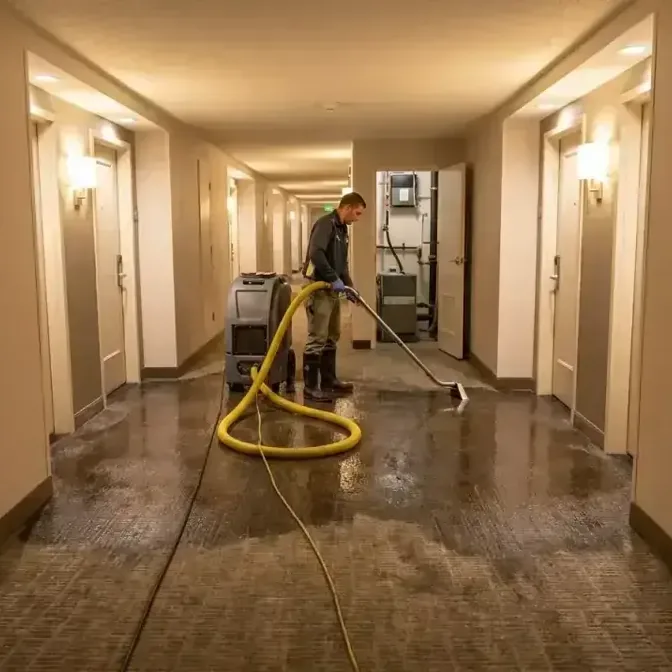
Cleanup planning considers the water source, affected finishes and access before equipment moves into the damaged rooms.
- 24/7 water responseSource control comes first
- IICRC S500A measured drying endpoint
- Water extractionRemove liquid before evaporation
- Moisture recordsTrack the materials below the finish
Different leaks need different decisions
A ceiling stain, overflowing fixture and soaked wood floor call for different inspections. These services explain what gets checked, what affects removal and how drying fits the repair sequence.

Water Extraction
Pooled water needs a removal route that protects dry rooms. Extraction reaches accessible surfaces before moisture checks identify layers still holding water underneath.
Water Extraction
Burst Pipe Water Damage
A split supply pipe can soak walls before the floor looks wet. Inspection follows the spray path and checks connected rooms for concealed moisture.
Burst Pipe Water Damage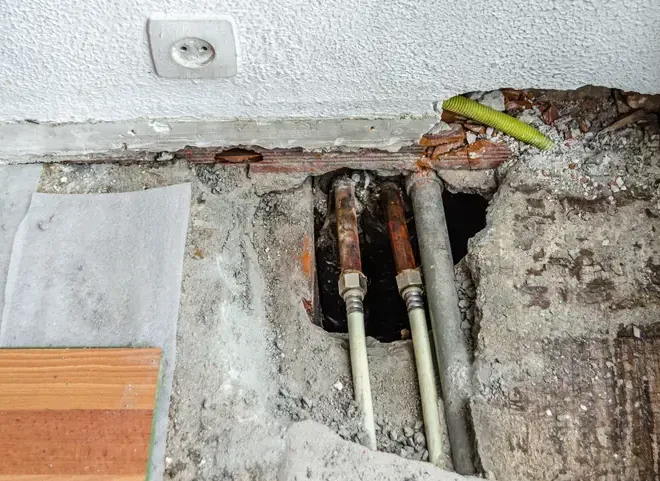
Slab Leak Water Damage
Damp flooring over concrete needs leak testing and material assessment. Plumbing repair and drying address different parts of the problem beneath the finished surface.
Slab Leak Water Damage
Ceiling Leak Water Damage
Overhead staining deserves more than fresh paint. The ceiling cavity, insulation and adjoining wall tops need attention after the leak source has been controlled.
Ceiling Leak Water Damage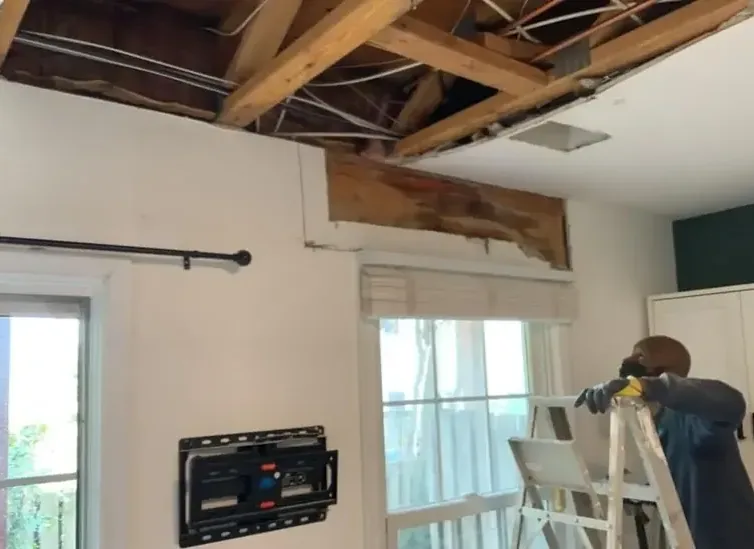
Roof Leak Water Damage
Rain can travel along framing before dripping indoors. Roof repair coordination and attic inspection help keep a ceiling cleanup from hiding an active entry point.
Roof Leak Water Damage
Storm Flood Cleanup
Outdoor water brings a different cleanup problem from a small supply leak. Sediment, affected porous materials and safe building access shape the work sequence.
Storm Flood Cleanup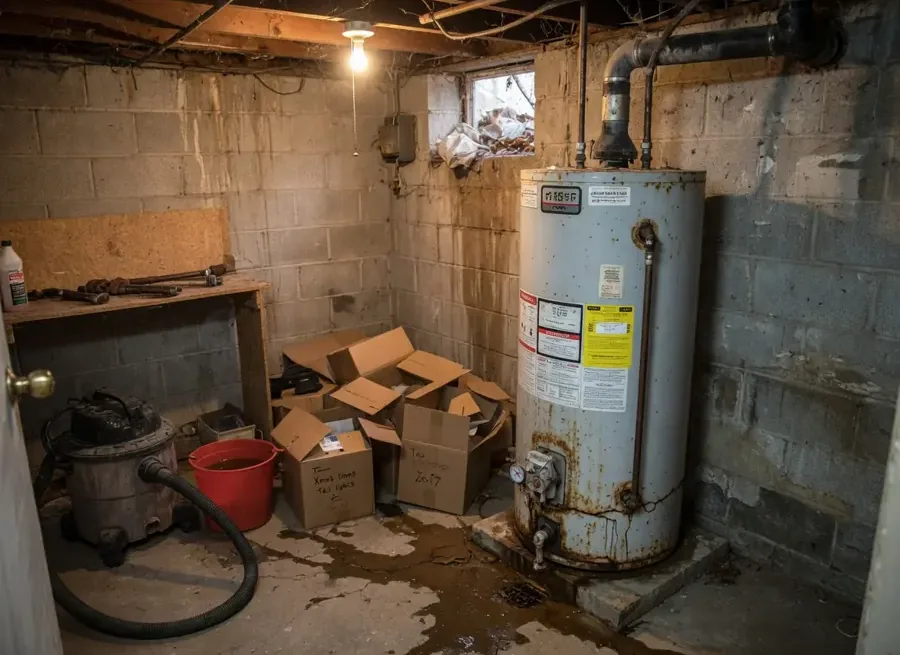
Water Heater Leak Cleanup
Water beneath a tank can escape under nearby flooring. Cleanup checks the equipment base, room edges and adjoining spaces after safe isolation of the heater.
Water Heater Leak Cleanup
Appliance Leak Water Damage
A washing machine overflow and refrigerator supply leak leave different residues. Appliance movement, cabinet access and layered flooring determine where hidden wet areas remain.
Appliance Leak Water Damage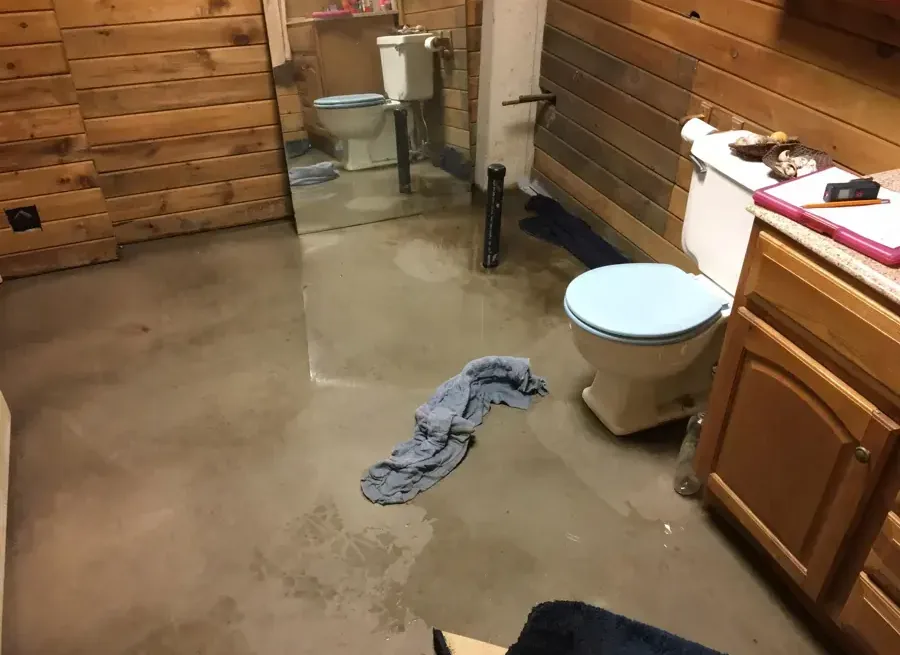
Toilet Overflow Cleanup
Overflowed bathroom water needs a source assessment before anyone spreads it farther. Thresholds, vanity bases and flooring seams receive careful attention during cleanup planning.
Toilet Overflow Cleanup
Sewage Backup Cleanup
Wastewater inside a building requires restricted access and controlled removal. Drain correction, contaminated material disposal and cleaning must come before ordinary room drying begins.
Sewage Backup Cleanup
Hardwood Floor Water Damage
Raised board edges do not tell the whole story. Moisture readings across the wood and beneath it help separate salvageable flooring from damaged layers.
Hardwood Floor Water Damage
Structural Drying
A surface can feel dry while framing remains wet. Equipment placement and repeat measurements follow the actual building materials through the drying stage of restoration.
Structural Drying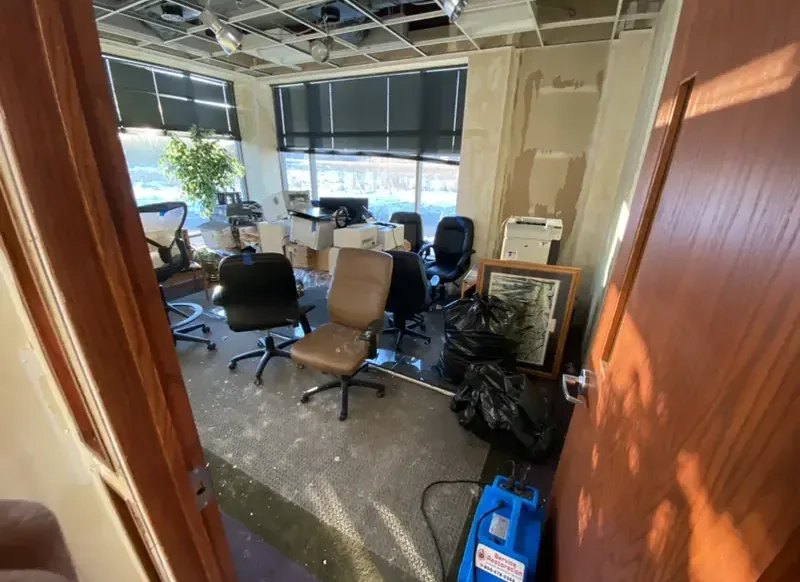
Commercial Water Damage
Wet stock, occupied offices and customer routes create competing priorities. A commercial cleanup plan divides work areas and records the damage before business activity resumes.
Commercial Water Damage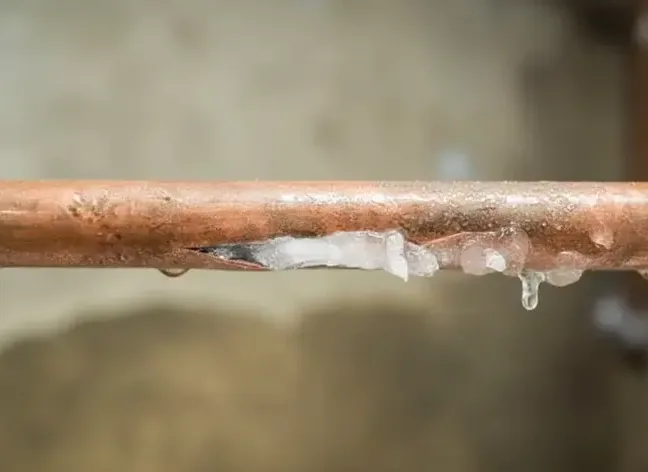
Frozen Pipe Water Damage
A pipe damaged during freezing may release water during thawing. Isolation, plumbing inspection and room checks establish the extent of the resulting interior water damage.
Frozen Pipe Water Damage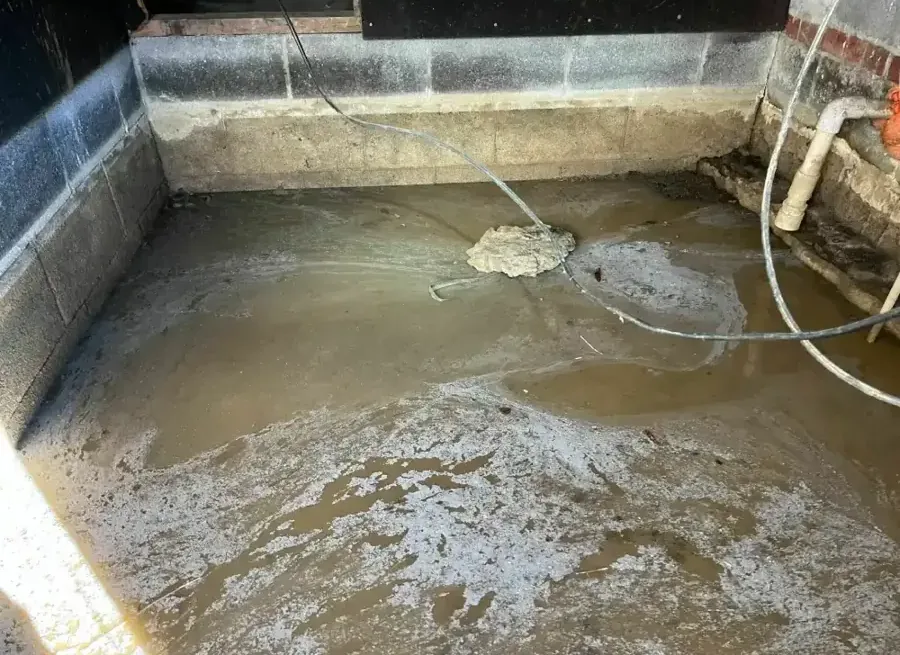
Crawl Space Water Removal
Standing water below a floor needs safe access and a discharge plan. Inspection includes wet insulation, exposed framing and moisture paths into the rooms above.
Crawl Space Water RemovalMake the first decisions from a safe place
- Keep the entrance safe
Water near electrical equipment restricts access. Occupants should remain outside affected areas until an appropriate professional has assessed the electrical hazard.
- Control an accessible source
A reachable shutoff can limit a plumbing release when the route stays dry. An unsafe valve location calls for professional assistance instead of entry through water.
- Photograph the starting condition
Room photographs and close views of damaged finishes establish the loss. Keep receipts, appliance details and observations about the first water appearance together.
- Protect separate rooms
Foot traffic can carry dirty water into clean areas. Children, pets and movable belongings should stay clear of the work area until cleanup boundaries are established.
- Explain the visible changes
Useful details include the source, affected rooms, ceiling movement and recent drainage problems. That description helps organize inspection without requiring an occupant to investigate concealed spaces.
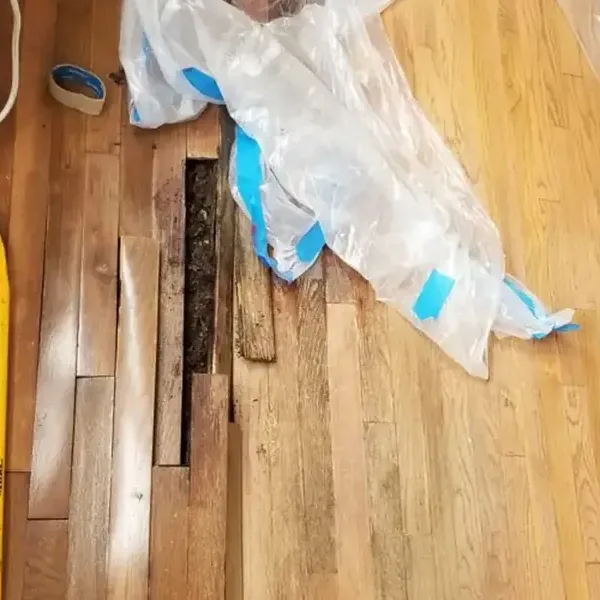
Decisions follow the materials that actually got wet
The primarily residential West Selma Historic District and the commercial downtown have different building uses. A useful restoration scope identifies the specific finishes, room connections and access restrictions at the damaged property.
Targeted openings
Ceilings and walls need selective access when concealed wet layers cannot dry effectively. Openings should answer a specific moisture question before repairs are planned.
Traceable readings
Room locations, material types and repeated measurements give the drying record meaning. A single number without its location cannot describe a building's progress.
Separate repair decisions
Stopping a roof or plumbing leak differs from restoring the wet interior. A written scope helps owners understand which contractor addresses each remaining task.
Useful handoff
Photographs and a material drying record help the repair contractor plan replacement work. Retained layers need assessment before new finishes conceal them again.
An orderly path through a wet building
The cleanup sequence starts with hazards and ends with documented material conditions. Equipment follows the inspection findings, with adjustments when readings reveal a pocket of moisture that needs better access.
- Inspect the source
- Track wet layers
- Record the endpoint
- Set work boundaries
The initial walkthrough separates wet rooms from usable spaces and identifies electrical concerns, unstable finishes and any need for controlled access.
- Remove accessible water
Extraction addresses standing water while damaged belongings and obstructed edges are assessed. Material condition determines what stays in the drying area.
- Dry remaining assemblies
Air movement and dehumidification are arranged around exposed surfaces. Dense materials and enclosed cavities may require additional access before readings improve.
- Check before rebuilding
A final check compares drying progress across the affected materials. The handoff identifies unfinished source repairs and any surfaces requiring replacement.
What affects water damage costs in Selma?
Planning ranges run from $900 to $3,000 for a limited loss, $3,000 to $7,000 for connected damage and $7,000 to $10,000+ for extensive work. Access, contamination and material removal determine the property estimate.
Limited room cleanup
$900 to $3,000
- Accessible water in a contained room
- Small equipment layout around retained finishes
- Focused checks at nearby floor edges
Connected wet spaces
$3,000 to $7,000
- Several rooms requiring coordinated water removal
- Moisture testing across connected building layers
- Selective openings and broader drying coverage
Extensive building damage
$7,000 to $10,000+
- Widespread saturation or contaminated indoor water
- More removal and controlled material handling
- Difficult access with longer monitoring needs
An estimate should distinguish mitigation, source repair and reconstruction. Photographs and inspection findings help explain additions when concealed damage becomes visible after access improves during the work.
Access, extraction and equipment in wet rooms
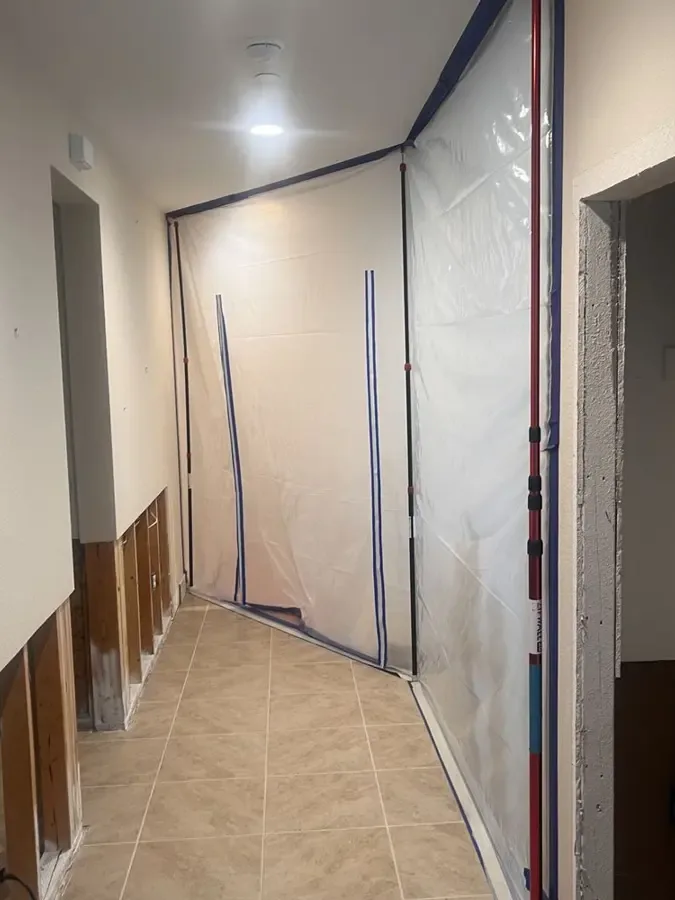
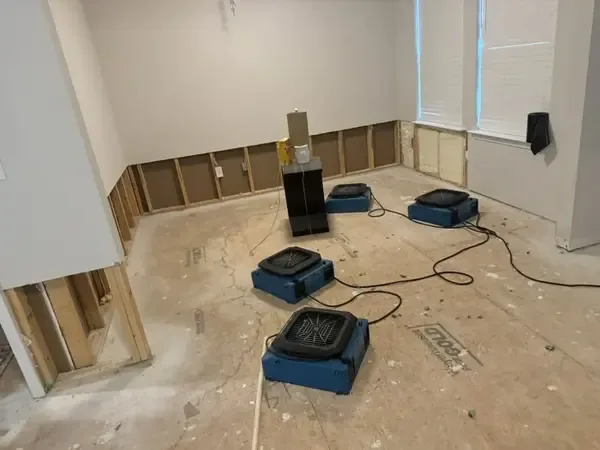
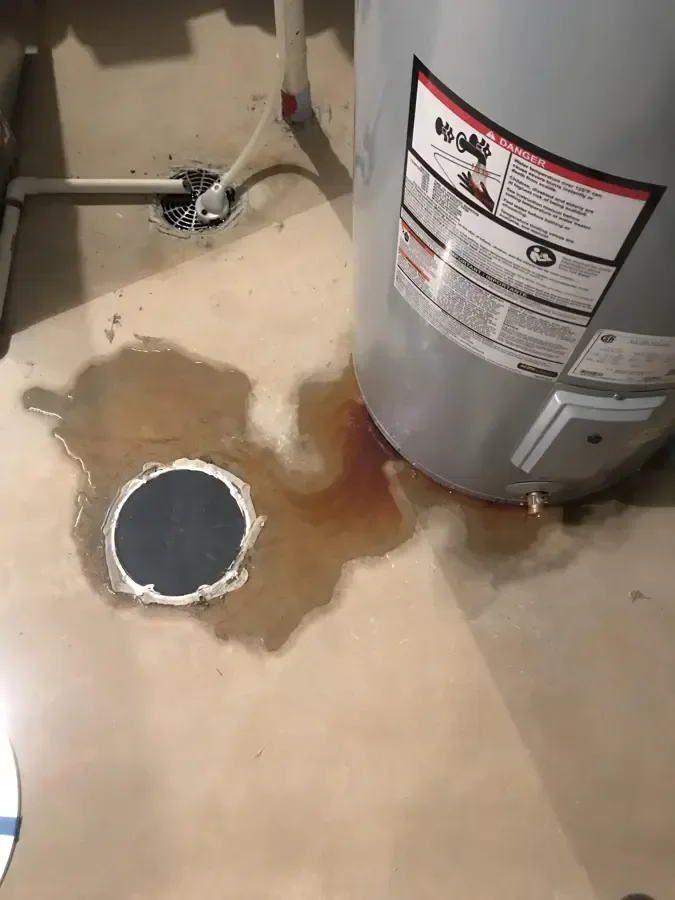
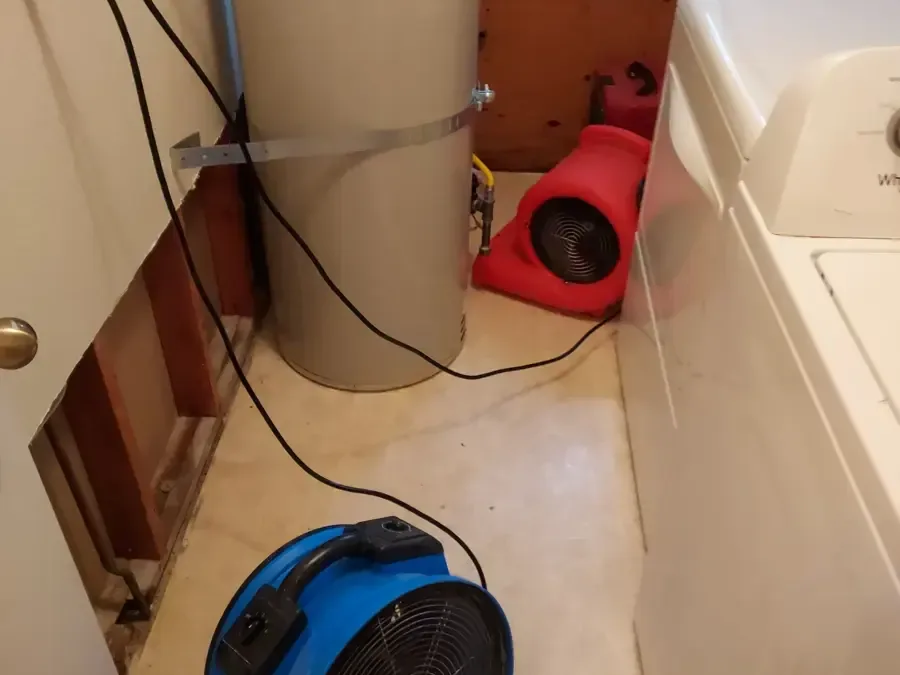
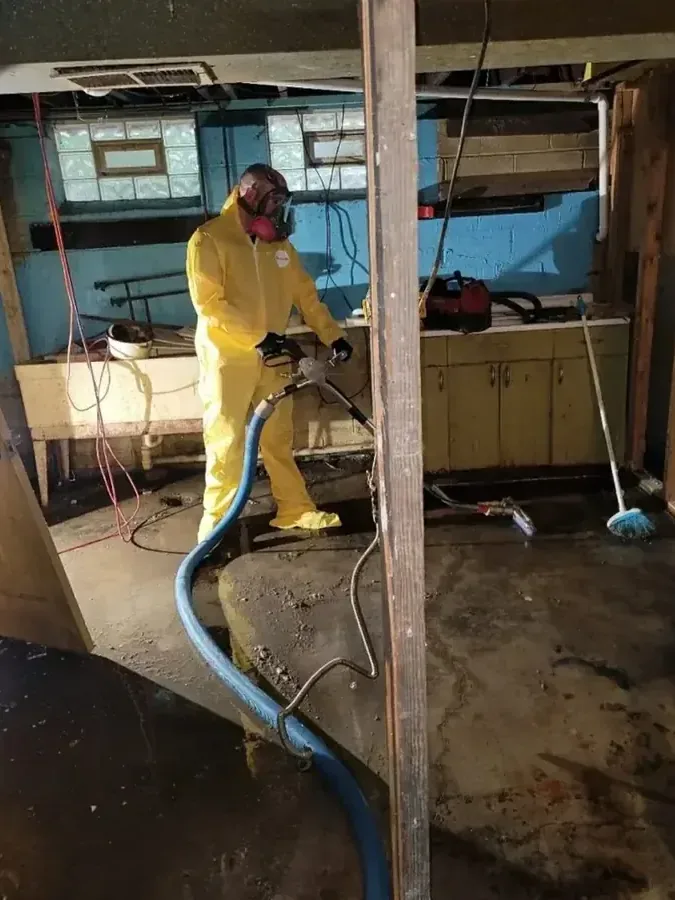
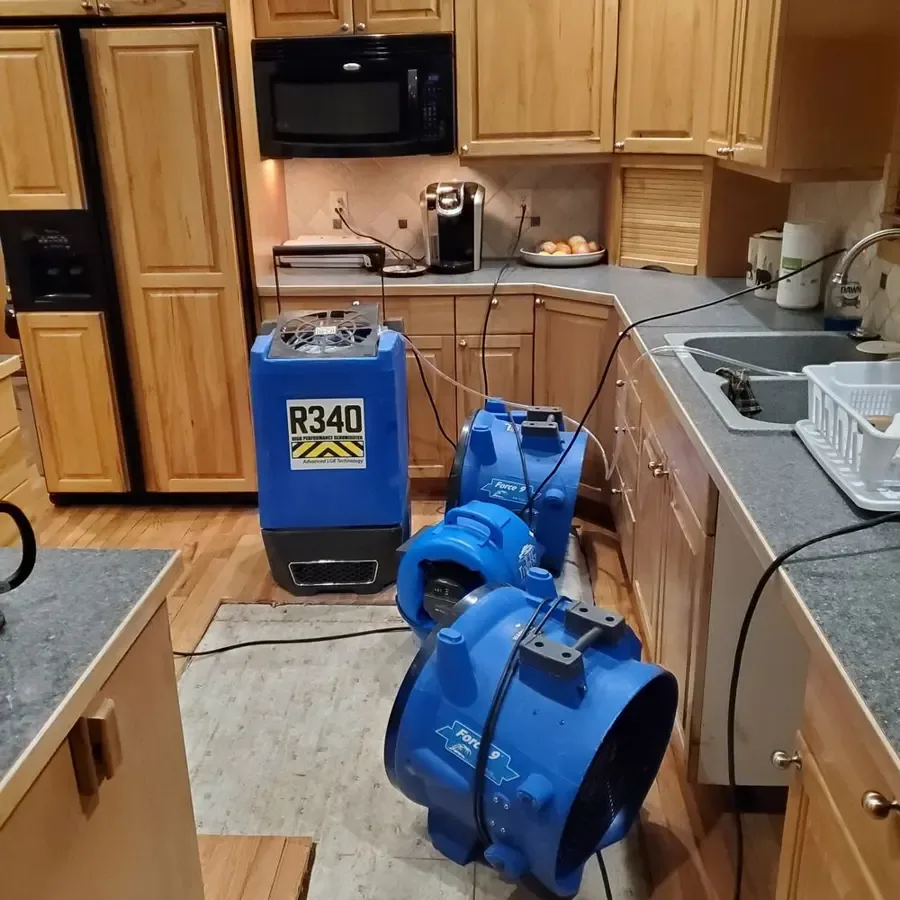
Water condition matters before drying
Pressurized supply release
Water from a broken supply pipe can reach enclosed spaces quickly. Source isolation and a map of the wet materials shape the initial response.
Trace a pipe releaseEquipment discharge
An appliance spill may include detergent or drain residue. Cleanup planning considers what escaped, the flooring assembly and whether cabinetry blocks access to wet surfaces.
Check appliance spill pathsWastewater entry
A sewage backup calls for controlled access, removal of unsuitable porous materials and cleaning before equipment circulates air through the affected rooms and adjoining areas.
Understand wastewater cleanupDocument decisions alongside the damage
Coverage depends on the policy and circumstances. Clear records help an owner describe the event, the affected belongings and the work needed to stabilize the property.
- Photograph whole rooms before damaged contents move
- Keep source repair invoices with cleanup records
- List belongings with their visible damage details
- Record when the water was first noticed
- Retain estimates showing separate categories of work
Planning a direct payment
An owner paying directly benefits from a written priority list. Immediate water removal, necessary material removal and drying can be distinguished from later decorative work.
The scope should explain equipment, monitoring and likely access needs. Any newly exposed damage deserves photographs and a discussion before the repair budget changes substantially.
Describe the location and entry conditions
Recognizable roads in town
- Pollock Street
- Anderson Street
- West Noble Street
- South Brevard Street
Town ZIP
27576
Explore the individual cleanup servicesMake the arrival details useful
A street name and a clear description of the entrance help organize access. Pollock Street carries U.S. 301, while Anderson Street connects the depot area with downtown.
For properties near Union Depot, access details should include locked doors, stairs and the safest route to affected rooms. Commercial tenants should identify the person authorized to approve entry.
(888) 578-4720Share the building access detailsPlan before you call
Nearby service areas
Water damage questions explained
Read the water damage articles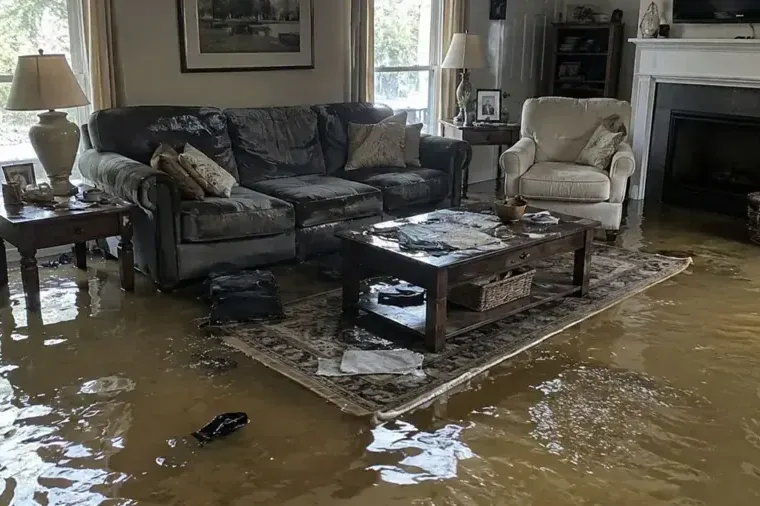
Local context for practical cleanup decisions
Historic districts, municipal wastewater infrastructure and nearby drainage features belong in a property assessment. The visible source and the building's actual condition determine the cleanup, opening and repair decisions.
Historic district repair planning: Exterior alterations in designated historic districts require an approved certificate of appropriateness before applicable zoning and building permits proceed through the town.
- Commercial rooms: Downtown redevelopment brought antique shops into commercial buildings. Wet merchandise and customer access deserve separate consideration from the work needed to dry the structure.
- Residential finishes: West Selma Historic District is primarily residential. Inspection should distinguish finish damage from moisture behind walls before deciding which materials require removal or replacement.
- Public drainage systems: The Town of Selma Water/Sewer Department maintains water distribution and wastewater collection. Public system concerns and the indoor cleanup scope need separate reporting and assessment.
- Nearby runoff: Unnamed tributaries at the Selma Mill buffer site flow to Mill Creek. At a flooded building, entry points and sediment paths help explain the immediate cleanup needs.
- Permit sequencing: Zoning approval starts the building permit process. An addition or change of use can add planning questions when cleanup overlaps with renovation.
Questions after indoor water damage
Does a dry surface mean the cleanup is finished?
Water can remain beneath flooring or inside a wall after the visible puddle disappears. Material readings and inspection of connected layers help determine whether additional drying or access is needed before repairs begin.
What details are useful before an inspection is arranged?
The source, first visible location and affected room names are useful starting details. Information about electrical exposure, sagging ceilings, locked entrances and occupants helps establish an appropriate access plan for the property.
Can furniture remain inside an affected room during drying?
Some belongings can remain when protected and positioned away from wet materials. Saturated upholstery, blocked floor edges or items exposed to dirty water need separate assessment before the equipment layout is finalized.
Does a historic district change the indoor cleanup plan?
Material condition still controls immediate cleanup decisions. Exterior alterations in designated historic districts require an approved certificate of appropriateness, so any proposed exterior repair should be discussed before the restoration scope expands into construction.
Who handles a suspected problem in the municipal sewer?
The town water and sewer department maintains wastewater collection. A suspected public system problem should be reported through that department while a plumbing professional assesses the building drainage and cleanup addresses indoor contamination separately.
Is every wet floor suitable for drying in place?
Flooring condition, contamination and access to underlying layers affect that decision. Swollen composite materials or trapped water beneath an impermeable covering can make selective removal more practical than directing equipment across the top alone.
How should an owner prepare for an insurance discussion?
A written timeline, photographs and source repair records give the discussion a clear starting point. The insurer determines policy coverage; the cleanup scope should describe affected materials and work without predicting a claim decision.
Can a business use unaffected rooms during the work?
That depends on safe access, utilities and separation from the work area. Customer routes, staff movement and drying equipment should be reviewed together before any part of a commercial property returns to ordinary use.
What should be checked before replacement finishes are installed?
The original water source needs correction, and retained materials need a drying check. Records should identify inaccessible areas, completed removal and any remaining repair tasks so that new finishes do not conceal unresolved damage.
Start with the visible problem
A useful first description names the wet rooms, suspected source and any unsafe access. Concealed damage can be assessed during the inspection.
(888) 578-4720Describe the damage safelyTurn the water problem into a clear work scope
Start with the source and the affected rooms. A property assessment can organize water removal, concealed moisture checks and the next repair decisions.