Water Damage Restoration in Clayton
A spreading puddle can reach cabinet bases and wall cavities before the floor looks deeply flooded. Restoration starts by locating the release, making the affected rooms safe, and measuring where moisture has traveled.
(888) 578-4720Discuss the damage room by room- Source control first
- Material moisture checks
- Clear cleanup scope
Standing water, saturated finishes and sewage require different handling. The initial assessment sets the right work sequence.
- 24/7 water responseSource control comes first
- IICRC S500A measured drying endpoint
- Water extractionRemove liquid before evaporation
- Moisture recordsTrack the materials below the finish
Cleanup shaped around the actual damage
The first visible mark rarely describes the whole job. Choose the service that matches the release, then account for affected rooms, hidden layers and any contaminated materials.

Water Extraction
Remove accumulated water from accessible floors before evaluating soaked padding, wall edges and concealed spaces that a surface pass cannot reach.
Water Extraction
Burst Pipe Water Damage
A broken supply pipe can wet several rooms at once. Close the source safely and trace spray, runoff and overhead migration.
Burst Pipe Water Damage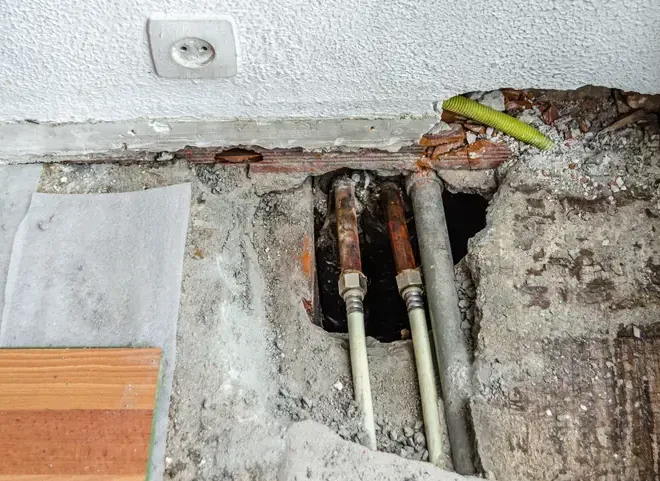
Slab Leak Water Damage
Damp flooring above concrete needs a plumbing diagnosis and a moisture map. Finish removal should follow the findings at the affected area.
Slab Leak Water Damage
Ceiling Leak Water Damage
Sagging panels and fresh ceiling stains call for restricted access below. Check the space above before deciding which finishes can remain.
Ceiling Leak Water Damage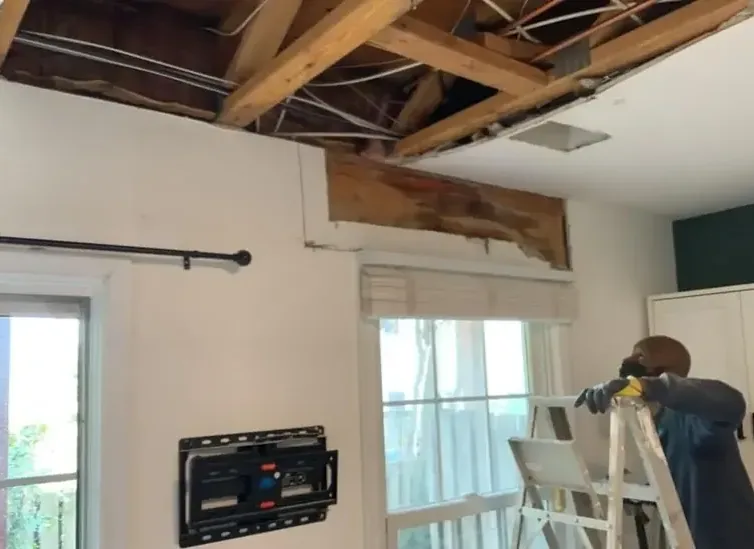
Roof Leak Water Damage
Rainwater can travel along framing before appearing indoors. Coordinate exterior repair with attic inspection, insulation assessment and drying of affected ceiling materials.
Roof Leak Water Damage
Storm Flood Cleanup
Water entering from outside brings a different cleanup problem than a supply leak. Assess contamination, entry routes and safe access before extraction.
Storm Flood Cleanup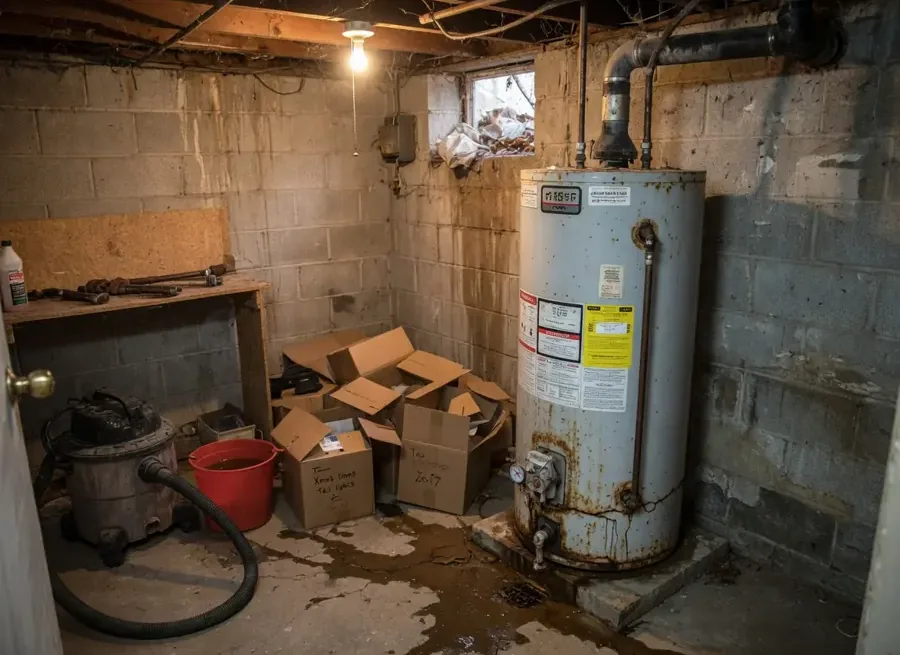
Water Heater Leak Cleanup
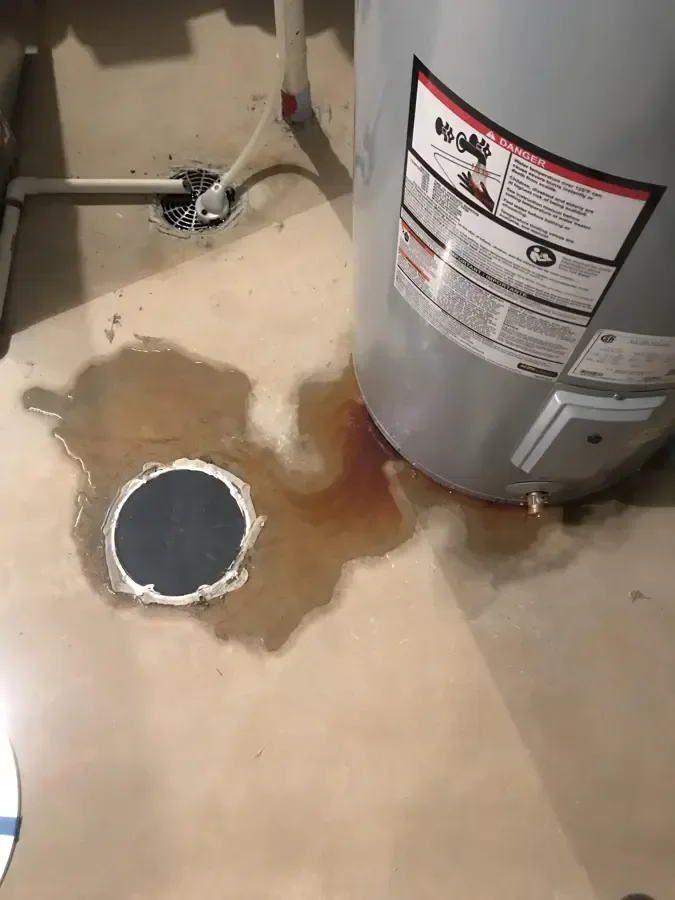
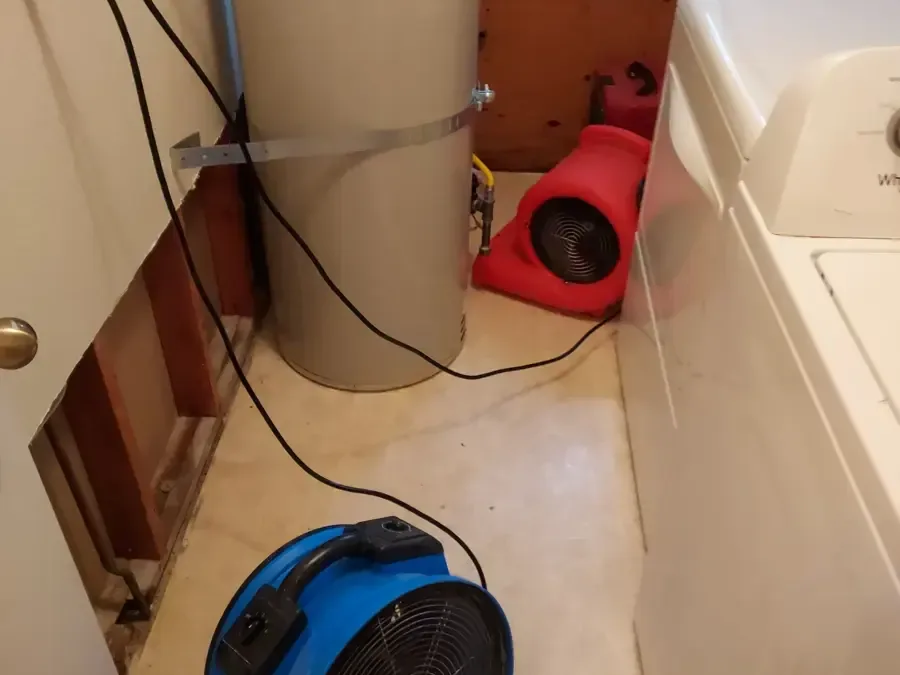
Water around a storage tank can spread beneath partitions and shelving. Separate the heater repair from cleanup of the utility area.
Water Heater Leak Cleanup
Appliance Leak Water Damage
A dishwasher or washer release can hide beneath equipment. Inspect cabinet bottoms, flooring seams and nearby wall bases after the appliance stops.
Appliance Leak Water Damage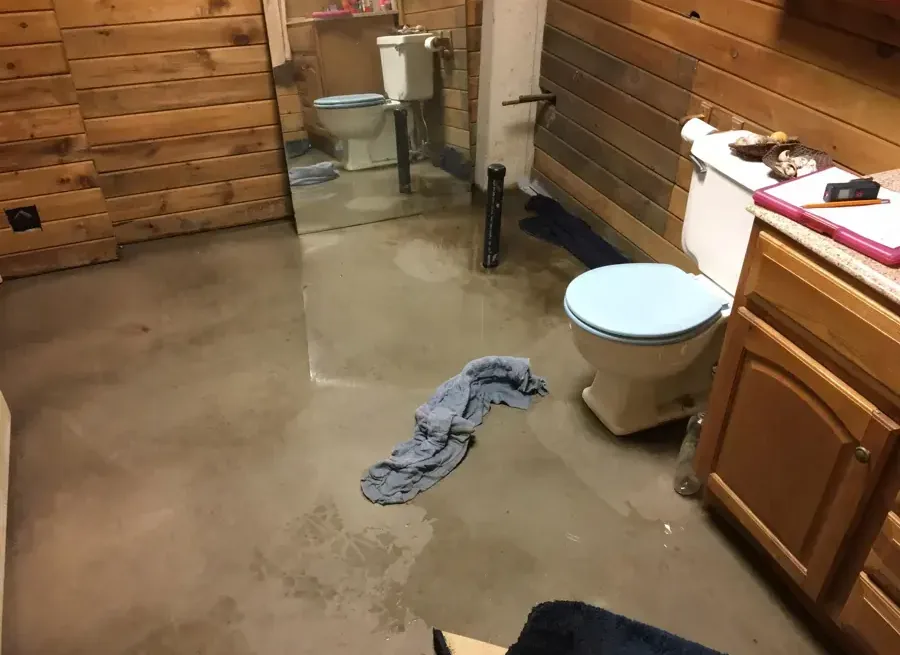
Toilet Overflow Cleanup
Keep traffic away from an overflowed bathroom. Evaluate the discharge and any absorbent materials before cleaning fixtures or drying the adjacent floor.
Toilet Overflow Cleanup
Sewage Backup Cleanup
Wastewater rising through drains needs controlled access and careful disposal. Utility reporting and interior sanitation address separate parts of the same incident.
Sewage Backup Cleanup
Hardwood Floor Water Damage
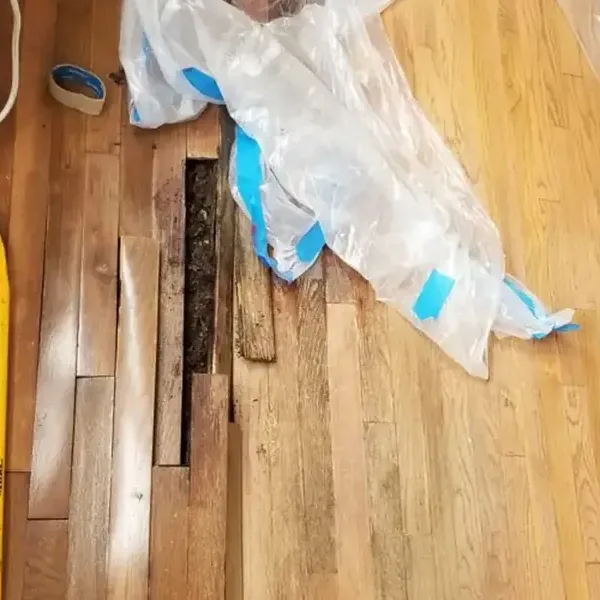
Raised board edges need moisture measurements above and below the finish. Flooring decisions depend on movement, construction and the condition of fasteners.
Hardwood Floor Water Damage
Structural Drying
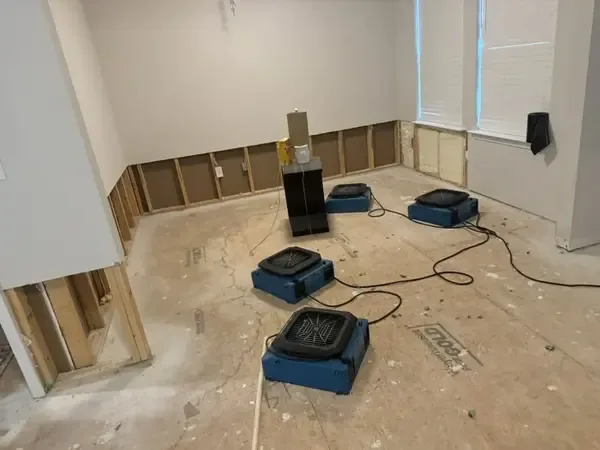
Once pools are removed, framing and enclosed layers may still hold water. Equipment placement follows material readings and access to wet assemblies.
Structural Drying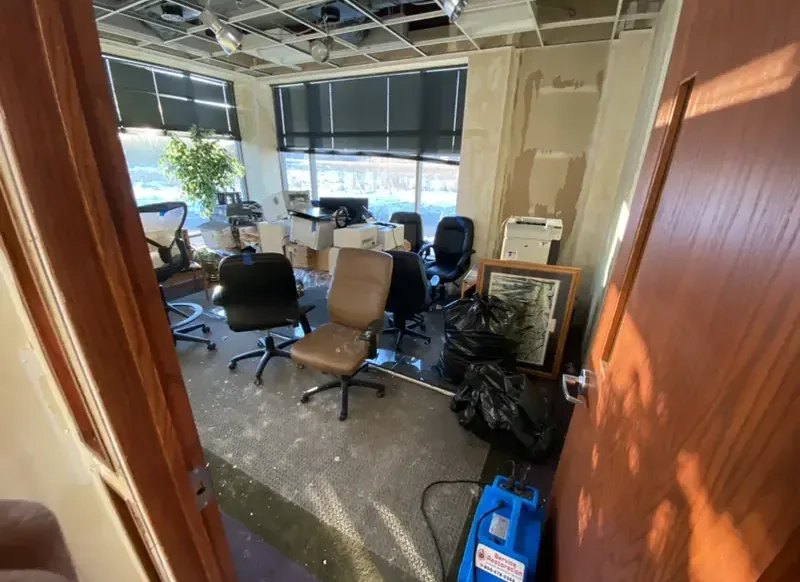
Commercial Water Damage
Protect business records and isolate affected workspaces while documenting the loss. Plan cleanup around safe access, equipment needs and separated operating areas.
Commercial Water Damage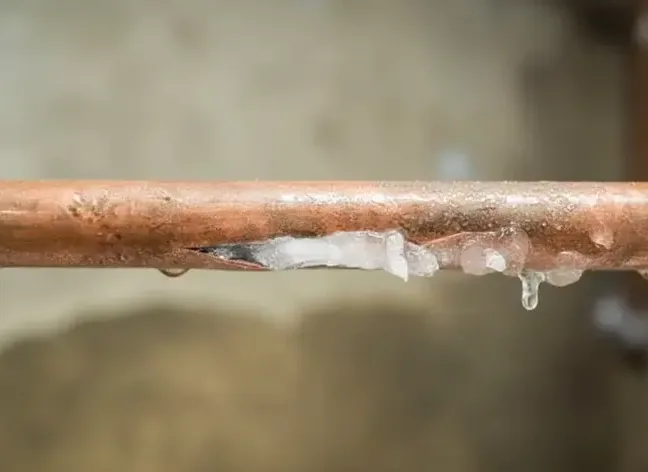
Frozen Pipe Water Damage
A frozen pipe may release water as it thaws. Locate the shutoff and check surrounding cavities before restoring pressure to damaged plumbing.
Frozen Pipe Water Damage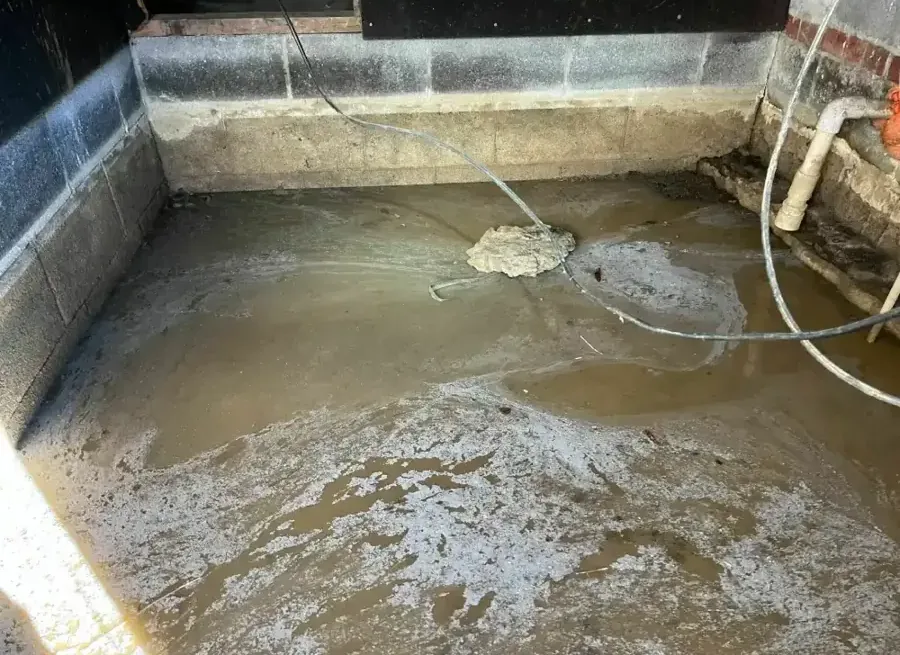
Crawl Space Water Removal
Underfloor water requires a safe entry assessment. Pumping, wet insulation removal and framing checks depend on the conditions beneath the particular building.
Crawl Space Water RemovalLimit the spread without entering a hazard
- Keep people clear
Exclude children and pets from wet rooms, especially where a ceiling is sagging, electrical equipment is wet or wastewater has reached the floor.
- Stop a safe source
Close an accessible fixture valve or building water shutoff only from a dry, stable position. Leave damaged electrical controls for a qualified professional.
- Record visible changes
Photograph the first affected area and adjoining surfaces from safe positions. Note discovery time, recent rainfall and which fixtures were operating before the release.
- Separate dry belongings
Move portable possessions away from clean water when access is safe. Avoid carrying contaminated rugs or boxes through unaffected rooms during an overflow.
- Describe hidden concerns
Mention water beneath cabinets, ceiling drips and rooms below the leak. Those details help define where the initial moisture inspection should extend.
Decisions tied to the building in front
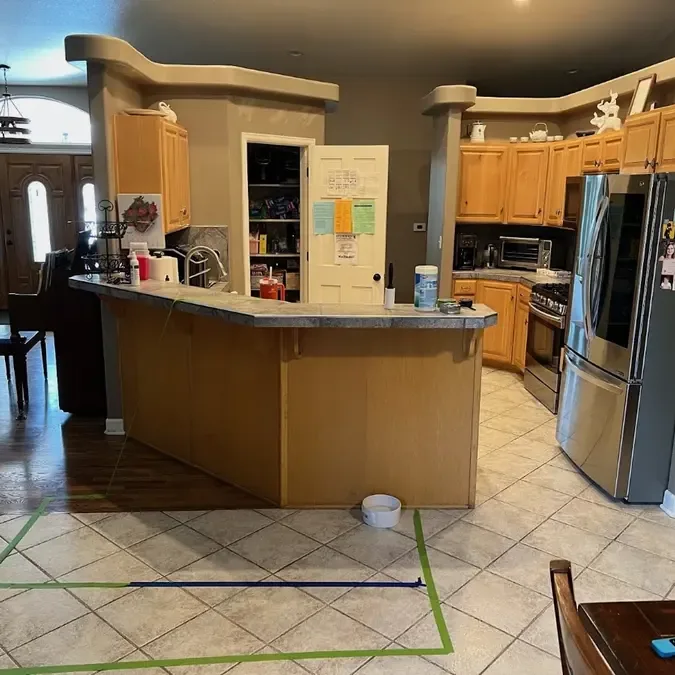
Older finishes and newer assemblies respond differently to water. A useful cleanup plan identifies the layers actually present, explains access needs and records why a material can remain or requires removal.
Room level scope
List each affected room and its wet surfaces so an estimate can be understood without guessing what a broad cleanup description includes.
Measured boundaries
Check beyond the visible puddle, including thresholds and adjoining wall bases. Record dry comparison areas alongside readings from visibly affected building materials.
Repair coordination
Keep plumbing or roof work distinct from water removal and drying. The source repair must address the release before damaged finishes are closed.
Documented endpoint
Compare followup moisture readings with the drying objective and condition of the assembly. Completion should reflect material recovery, not merely an empty floor.
Follow the water through each layer
The Clayton Historic District includes residential streets and downtown commercial buildings. At any property, the inspection moves from the entry point to connected finishes and accessible structural cavities.
- Identify the source
- Expose necessary areas
- Verify material progress
- Make access safe
Identify electrical exposure, unstable finishes and contamination before equipment enters. Establish a dry walking route that avoids the affected work area where possible.
- Remove bulk water
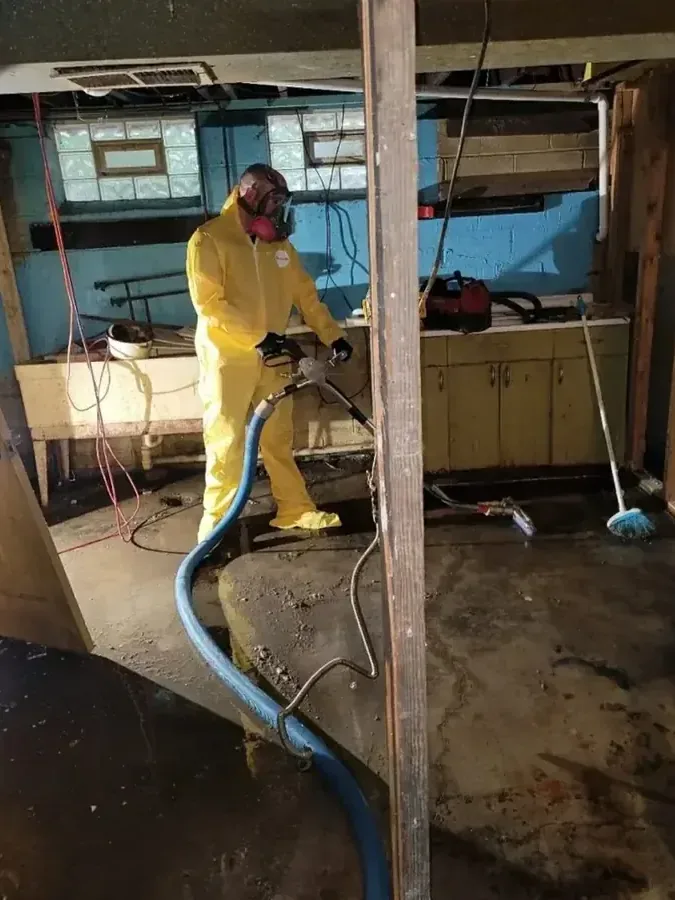
Select extraction equipment for water depth and floor access. Check edges and low spots again after the first removal pass is complete.
- Manage retained moisture
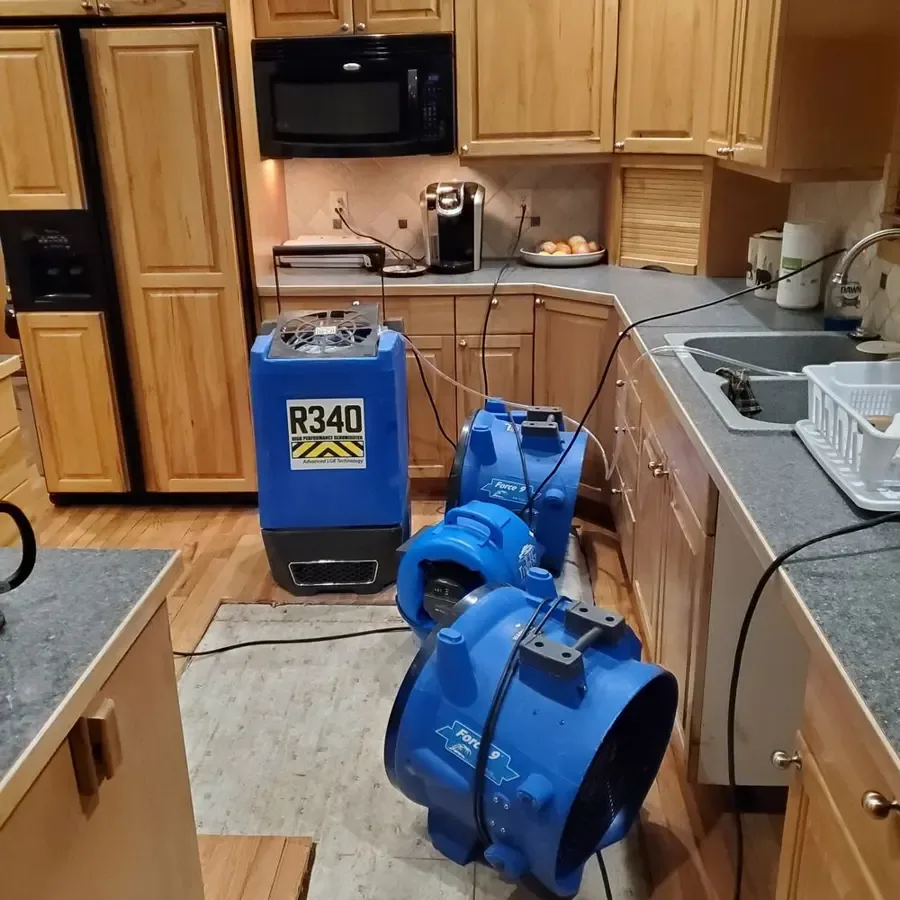
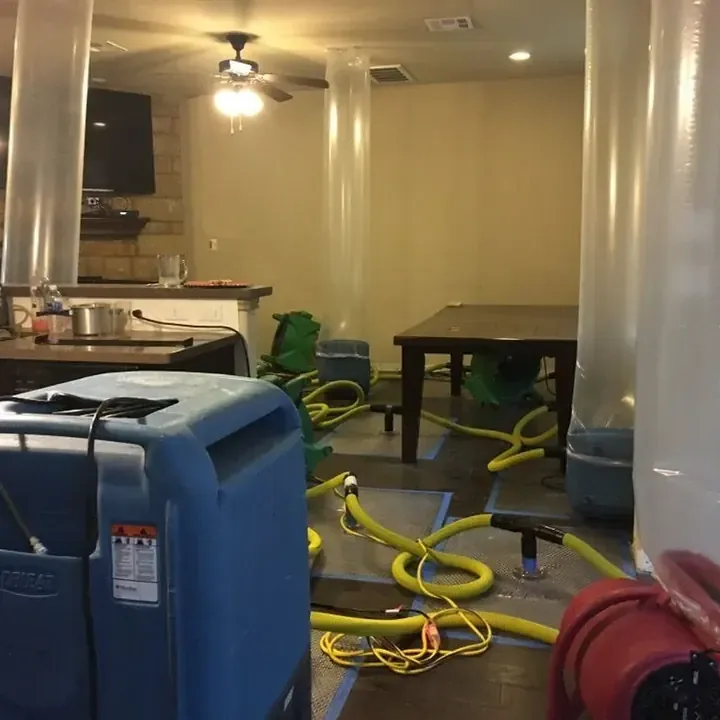
Evaluate absorbent finishes and insulation before adding airflow. Arrange drying equipment so moisture can leave the assemblies that are being retained safely.
- Check before rebuilding
Check recorded readings and any remaining distortion. Leave repair needs clearly identified so new finishes are not installed over unresolved wet building layers.
What affects restoration cost in Clayton?
Cleanup scope depends on water quality, affected materials and the access required to reach them. The planning ranges below separate contained damage from broader losses; the property inspection determines which tasks and repairs belong in the estimate.
Contained room cleanup
$900 to $3,000
- Accessible water removal and inspection
- Limited affected finish material handling
- Targeted drying in reachable areas
Several connected wet areas
$3,000 to $7,000
- Moisture tracing across room boundaries
- Additional equipment and cavity access
- More material handling and documentation
Extensive or difficult loss
$7,000 to $10,000+
- Widespread affected floors and walls
- Complicated access or contaminated materials
- Expanded drying and disposal requirements
Ask which source repairs, replacement finishes and disposal charges are included. A written scope makes changes easier to evaluate when concealed damage becomes accessible during cleanup.
Water removal and the surfaces left behind
Identify what reached the room
Supply water release
Water escaping a supply pipe starts with a different exposure history than wastewater. Time, contacted surfaces and surrounding materials still affect the cleanup decision.
Trace pipe waterUsed appliance discharge
A washer or dishwasher can release water containing residues. Describe the operating cycle and affected surfaces so material handling reflects what escaped the machine.
Assess appliance dischargeWastewater from a drain
Sewage contact requires isolation, removal of unsuitable porous materials and cleaning before drying. Household foot traffic should stay outside the affected rooms throughout handling.
Separate the sewage areaDocument before finishes disappear
A loss record should connect the source, affected rooms and completed work. Clear photographs and itemized descriptions help explain the condition encountered during the cleanup.
- Photographs of the initial wet area
- Notes about discovery and source control
- Room names beside material moisture readings
- Item descriptions for damaged personal belongings
- Separate invoices for repairs and cleanup
Paying directly for cleanup
A property owner paying directly can request an estimate that separates urgent water removal from later finish repairs. Discuss uncertain access needs before authorizing work inside enclosed assemblies.
Keep receipts and the final drying record together. Comparing the written scope with completed tasks helps explain any added work and prepares a clear handoff to the repair contractor.
Clayton homes and business spaces
Streets used for orientation
- Main Street
- Mulberry Street
- Mill Street
- Lombard Street
Area ZIP codes
27520 · 27527
Explore nearby service areasExplain the access and affected rooms
A useful request identifies the property entrance, affected floor and safest route inside. Mention locked gates, occupied rooms or equipment that could complicate access to the water.
Cleveland, Powhatan and Flowers use Clayton mailing addresses outside town limits. Give the actual property location when discussing attendance and which utility or inspection department applies.
(888) 578-4720Explain the property's access needsPlan before you call
Nearby service areas
Water damage questions explained
Read the water damage articles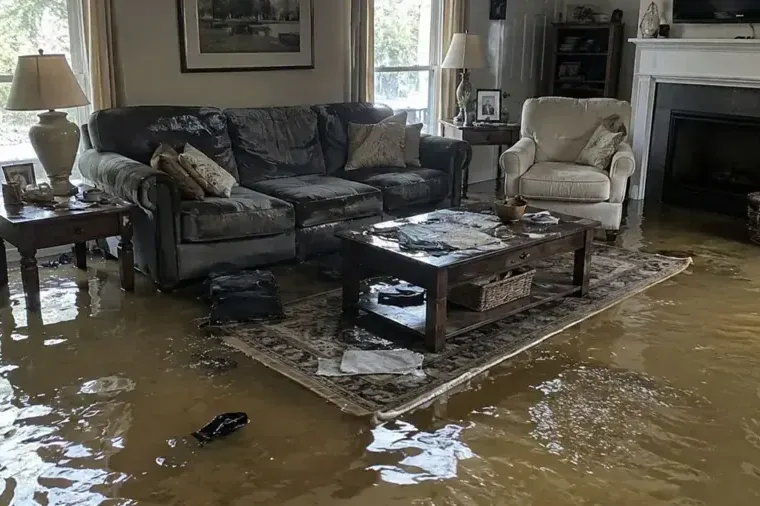
Different sources can leave similar wet marks
The town sits within the Neuse River watershed and can experience inland tropical weather. Indoor plumbing, exposed pipes and roof entry each require a separate source assessment.
January 21, 1985: Clayton recorded a low of minus 10 degrees Fahrenheit. Cold weather preparation includes checking exposed plumbing and locating an accessible water shutoff.
- Older layered finishes: The historic district contains almost 300 homes and buildings. Where older finishes remain, document their condition before opening wet ceiling or wall assemblies.
- Rain entering above: Wind driven rain may appear at a ceiling joint away from the roof opening. Inspect the attic path and protect contents below active dripping.
- Water below the floor: For a property with an underfloor space, standing water can wet insulation and framing. Safe access and electrical conditions determine how inspection can proceed.
- Drain discharge indoors: The municipal utility treats sewer backups as emergencies. Reporting the event and isolating affected bathroom or utility surfaces should happen alongside the cleanup assessment.
- Hidden appliance leakage: Recurring releases can reach cabinet bases before a puddle appears. Check the appliance connection and adjacent flooring layers when discoloration or swelling develops.
Questions after water appears
What should happen before a wet room is entered?
Access depends on electrical hazards, ceiling stability and the source of the water. Keep occupants outside uncertain areas and arrange a professional assessment when water contacts wiring, sewage or unsupported overhead finishes.
Can the floor look dry while materials remain wet?
Yes. Water can remain in underlayment, wall cavities and absorbent trim after surface cleanup. Moisture measurements help locate retained water and determine whether the assembly needs access, material removal or additional drying.
Does every soaked finish have to be removed?
No single removal rule fits every loss. Water quality, exposure duration and material condition determine the decision. A sound, cleanable surface may remain while saturated porous layers beneath it require separate handling.
Who handles a municipal water or sewer emergency?
The Town of Clayton Water Resources Department handles utility emergencies including water breaks and sewer backups. COMS provides an official reporting route. Interior damage still needs its own assessment and cleanup scope.
Does living near the river change the inspection?
The inspection follows the water that entered the particular property. Record its entry route, depth and contacted materials. Floodwater requires different handling from a contained plumbing release, regardless of the nearest recreation destination.
How should wet furniture and belongings be handled?
Keep clean, dry belongings away from the work area. Photograph damaged items before moving them when safe. Items exposed to sewage need separate handling so contamination is not carried into otherwise unaffected rooms.
When can damaged wall or ceiling finishes be replaced?
Replacement should follow source correction, appropriate cleaning and verification of remaining material moisture. The repair contractor also needs to understand any opened cavities, removed insulation or unresolved distortion before closing the assembly.
What belongs in a useful restoration estimate?
Look for affected rooms, extraction work, material handling, equipment, monitoring and disposal. Ask whether source repair and finish replacement are separate. A defined scope makes later discoveries and associated price changes easier to understand.
Can part of a business stay open during cleanup?
That depends on safe access, contamination, electrical conditions and separation from equipment. A clean operating area needs a protected route and suitable boundaries. A room that appears unaffected may still share wet building assemblies.
Are plumbing permits always required for small fixture work?
The town exempts minor fixture repairs or replacements when the original water supply, waste and ventilation systems are not disrupted. Work that changes those systems needs evaluation by the appropriate inspection department before proceeding.
Describe the first visible change
Mention the room, likely source and any sagging ceiling or wastewater. A clear description helps organize the assessment around immediate hazards.
(888) 578-4720Talk through the visible damageMake the next decision from the damage
Describe where water appeared, what remains wet and whether the source has stopped. Those details establish a useful starting point for the cleanup assessment.