Crawl Space Water Removal in Smithfield, NC
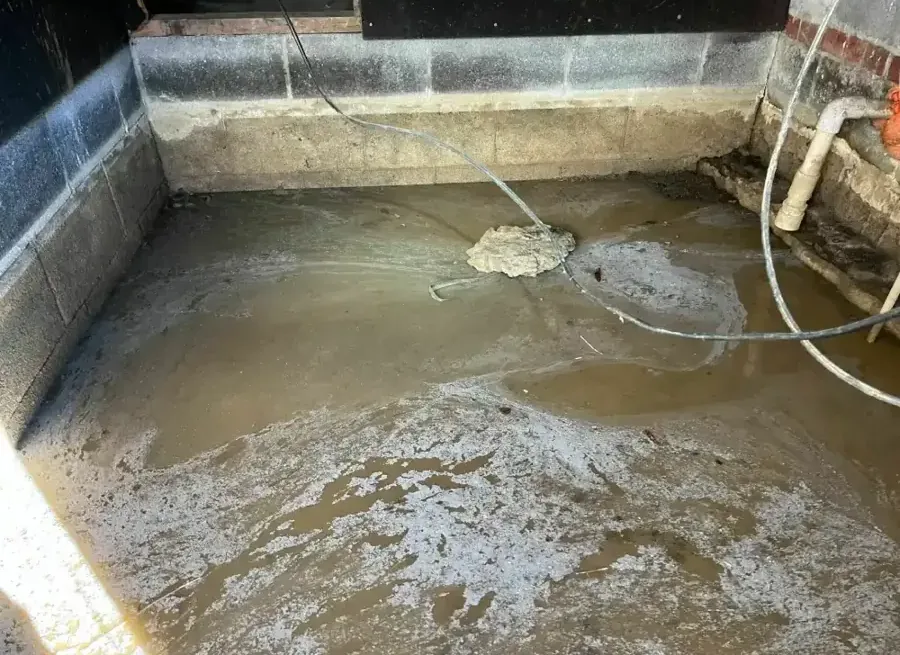
Crawl space water removal in Smithfield begins with safe access and the incoming source. Where a property has an underfloor space, the crew assesses standing water, insulation and framing before pumping and controlled drying.
(888) 578-4720Assess the underfloor water- Below-floor safety review
- Framing moisture checks
- 24/7 water-loss assessment
First steps for crawl space water removal
- Stay outside unsafe access
Avoid entering standing water beneath the floor, especially near wiring, equipment or suspected wastewater. Describe the visible condition from a dry and stable access point.
- Report the source clues
Mention active plumbing leaks, rain-related entry or drain problems as observed. Those clues help establish which source professional and contamination precautions the assessment needs.
- Keep the opening accessible
Clear light dry items from the outside access route when safe. Do not remove structural supports, heavy equipment or wet insulation to make entry possible.
- Describe changes inside the home
Report damp floor areas or new ceiling-like stains on the underside only if safely visible. The technician connects underfloor moisture with affected rooms above.
How the team handles crawl space water removal
Rapid local response
The response team prioritizes source control, safe entry and the full path of wet materials. A visible puddle is only the starting point for the assessment.
IICRC S500 drying standard
The drying technician measures affected assemblies, sets a dry reference and adjusts air movement and dehumidification to the materials that remain.
Claim-ready documentation
The mitigation file records photographs, moisture readings, removal decisions and equipment use. The property owner checks policy questions with the insurer.
Local water experts
The restoration assessment separates the water source from the damage it leaves behind. Plumbing repairs, safe electrical access and material drying each receive attention.
What does crawl space water removal cost in Smithfield, NC?
Crawl space water mitigation often ranges from $1,200 to $4,000 for accessible standing water and limited drying. Difficult access, contaminated water or extensive wet insulation can raise the scope to $4,000 to $8,500 or more. Source repairs are separate.
Accessible localized water
$1,200 to $2,200
- Safe-entry and source assessment
- Controlled pumping of visible pools
- Initial framing moisture checks
Water and wet insulation
$2,200 to $4,000
- Damaged absorbent layer decisions
- Targeted underfloor drying access
- Repeat wood and air measurements
Difficult or contaminated loss
$4,000 to $8,500+
- Expanded protective handling
- More removal and drying zones
- Detailed access and repair records
Compare the materials, water category and wet area with the cost planning calculator. An on-site assessment defines the work and any separate repairs.
The crawl space water removal process
- 1
Assess entry and contamination
The crew checks clearance, utilities, water condition and the source before selecting protective controls and a pumping approach suitable for the below-floor work area.
- 2
Remove standing liquid
Pumps and extraction methods clear accessible pools while technicians check low pockets and obstructions that may retain water after the main area appears empty.
- 3
Evaluate insulation and framing
The team removes damaged or contaminated absorbent layers as required and measures retained joists, subflooring and other accessible materials before arranging controlled drying.
- 4
Track underfloor recovery
Repeat wood readings and environmental checks document progress, while the completion record identifies insulation replacement, source repairs and other work beyond water mitigation.
Standing water below a floor can go unnoticed until damp insulation, odors or indoor floor changes draw attention. The crew first establishes whether the property has an accessible crawl space and whether entry is safe. At a West Smithfield home, the actual underfloor construction determines the inspection and removal approach.
Identify what is feeding the underfloor water
A plumbing release, drain leak and outside runoff need different source responses. The technician records the water condition and visible entry path while the appropriate professional assesses repair needs. Pumping without controlling a continuing source can leave the same space wet again.
- Check accessible supply and drain locations and identify the source through inspection and testing.
- Record water contact with insulation, floor framing and mechanical or electrical components.
- Inspect low pockets and obstructions that can leave water behind after the main pool is removed.
- Keep source or drainage repair distinct from extraction, cleaning and structural drying below the floor.
Underfloor entry requires more than a flashlight
Limited clearance, unstable access, electrical components and dirty water can make entry hazardous. Occupants should stay outside the space and describe what is visible from a safe position. The response team assesses access and protection before pumping, handling insulation or placing equipment beneath occupied rooms.
Properties near the Neuse River require the same source-specific assessment as any other building. The inspection identifies how water entered the particular crawl space. The crew follows the observed entry route and identifies any ongoing plumbing or outside-water concern.
Pumping and insulation decisions come before final drying
The team removes standing liquid with equipment suited to the access and water condition. Saturated insulation may sag against framing or restrict evaporation. Contaminated absorbent material requires a removal assessment before airflow spreads residue. The remaining wood and subfloor receive moisture checks to establish the drying load.
Homes along Brightleaf Boulevard can have storage or equipment that restricts entry to a below-floor space. The drying plan accounts for those obstacles, safe power and air paths. It should also explain where material readings were possible and which areas needed selective access.
Verify the wood, not just the ground surface
A cleared puddle does not mean joists or the underside of the subfloor are dry. The technician repeats wood readings and evaluates the controlled environment before removing drying equipment. The final record identifies remaining insulation replacement, source correction and any other repairs outside the mitigation scope.
24/7 underfloor water assessment prioritizes active entry and access hazards. A clear source account and repeatable moisture readings help prevent the job from ending at a simple pump-out.
Review flood safety precautions before entering a wet building and EPA indoor air quality information when planning cleanup.
Crawl Space Water Removal in Smithfield
Restoration support covers ZIP 27577, West Smithfield and the historic downtown district, including properties around Market Street and Brightleaf Boulevard. The assessment follows the wet rooms, floor layers and safe entry route at each home or business.
Related water damage services



Crawl Space Water Removal questions in Smithfield
Should a homeowner enter to inspect the water?
Stay outside when entry involves standing water, wiring, unstable access or suspected contamination. A safe view from the opening can provide useful information without exposing someone to underfloor hazards.
Does every local home have a crawl space?
No foundation type should be assumed for a particular property. The assessment establishes the actual construction and accessible below-floor spaces before choosing an inspection or drying method.
Is pumping enough to finish the job?
Pumping removes liquid, but insulation and wood can retain moisture afterward. The technician checks those materials and determines whether cleaning, removal or controlled structural drying is also required.
Why might insulation need removal?
Saturation, contamination or sagging can make insulation unsuitable to retain and can block drying of nearby wood. The crew documents material condition and the reason for any removal.
Does river proximity prove the water source?
No. A plumbing discharge, drain leak or outside entry needs investigation at the property. The observed path and source findings determine the cleanup response rather than the address alone.
What should the completion record explain?
It should identify the water source information, extraction and removal work, retained wood readings and remaining repair needs. That record distinguishes a completed dry-out from a crawl space that only looks free of puddles.
Remove the water and measure the framing left behind
The mitigation crew checks source status, insulation condition and wood moisture, then documents the underfloor drying work and remaining repairs.