Crawl Space Water Removal in Dunn
Water beneath a home can remain out of sight while insulation and timber stay damp. Crawl space recovery starts with safe access and source assessment, then connects pumping with inspection of the underfloor materials above the water.
(888) 578-4720Discuss the flooded underfloor area- Entry safety
- Water recovery route
- Underfloor material checks
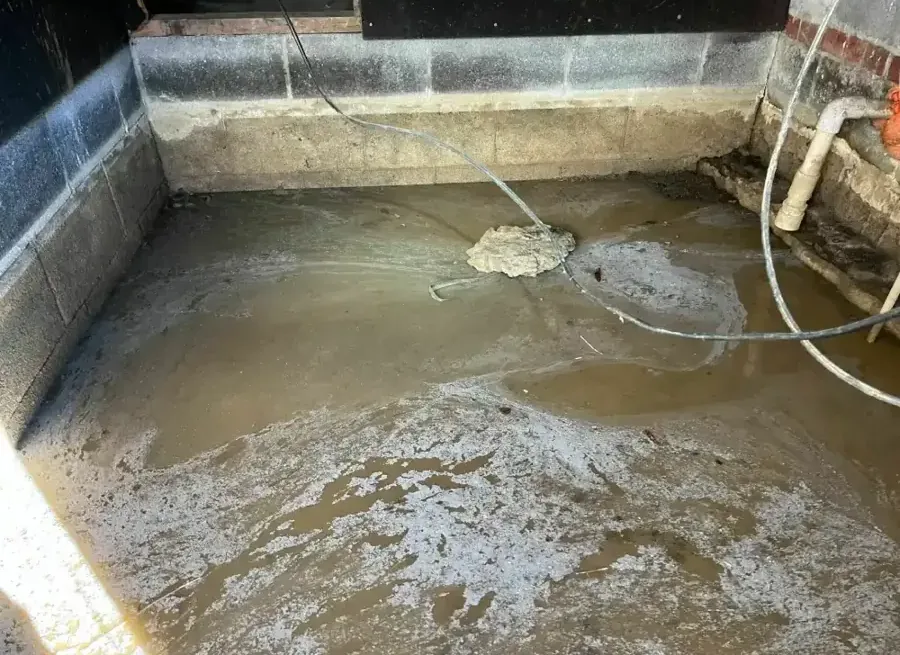
First steps for crawl space water removal
- Wait for an entry assessment
Avoid entering underfloor water to investigate. Utilities, limited clearance and unstable footing can create hazards that are hard to see from the opening or avoid once beneath the home.
- Describe the hatch view
Report water level, debris, insulation and visible flow without entry. These details help plan equipment and handling while preserving the need for a complete underfloor safety assessment.
- Keep the outside approach accessible
Clear dry obstacles near the entrance when safe. Leave wet materials undisturbed so equipment can reach the opening without extending disturbance into additional restricted areas of the property.
- Report changes above the crawl space
New flooring movement, stains or plumbing changes connect the loss with occupied rooms. Include those observations so the assessment considers the supporting timber and subfloor alongside pooled water.
How the team handles crawl space water removal
Rapid local response
The response team prioritizes source control, safe entry and the full path of wet materials. A visible puddle is only the starting point for the assessment.
IICRC S500 drying standard
The drying technician measures affected assemblies, sets a dry reference and adjusts air movement and dehumidification to the materials that remain.
Claim-ready documentation
The mitigation file records photographs, moisture readings, removal decisions and equipment use. The property owner checks policy questions with the insurer.
Local water experts
The restoration assessment separates the water source from the damage it leaves behind. Plumbing repairs, safe electrical access and material drying each receive attention.
What does crawl space water removal cost in Dunn, NC?
Crawl space water removal in Dunn has planning ranges from $1,200 to $8,500+. Clearance, contamination, wet insulation and continued entry influence the work. The estimate should separate pumping and underfloor drying from plumbing correction, drainage changes or replacement of damaged structural materials.
Accessible localized water
$1,200 to $2,200
- Defined pooling near usable access
- Straightforward recovery water handling route
- Limited exposed material contact assessment
Water and wet insulation
$2,200 to $4,000
- Pooled water beneath affected insulation
- Additional removal and disposal decisions
- Broader timber and subfloor checks
Difficult or contaminated loss
$4,000 to $8,500+
- Restricted access through underfloor areas
- Contaminated water requiring controlled handling
- Expanded cleaning and structural recovery scope
Compare the materials, water category and wet area with the cost planning calculator. An on-site assessment defines the work and any separate repairs.
The crawl space water removal process
- 1
Assess source, entry and utilities
Identify water origin, continuing inflow and access hazards. Establish a safe approach for workers and equipment, along with recovery water handling that avoids repeated entry beneath the building.
- 2
Recover pooled water
Pumping follows depth and available access. Debris and contamination affect handling, while newly exposed surfaces receive inspection as the water falls and reveals the space underneath.
- 3
Evaluate the underfloor structure
Insulation, timber and subfloor receive individual decisions. Removal and cleaning support useful drying access so retained materials can be monitored instead of remaining hidden behind damp layers.
- 4
Document recovery and repairs
Distinguish liquid removal from structural drying. Record source correction, replacement needs and unresolved access concerns before the opening closes and normal use resumes in the rooms above.
A crawl space opening can show pooled water without revealing the hazards farther inside. At a Dunn home with this foundation arrangement, the assessment should begin from outside the affected space. Limited clearance, utilities and difficult footing change the access plan. Pumping is only part of recovery when insulation or timber above the pool has also become wet.
Identify how water reached the underfloor space
A supply leak, wastewater discharge and exterior entry require different source corrections and handling. Describe visible flow without entering a hazardous confined area to trace it. If the water keeps returning after removal, the scope must address that continued source rather than simply repeating a pump-out while the same materials remain exposed.
- Report visible cables, equipment or utility connections near the water so entry and electrical safety can be assessed before pumping.
- Note fallen insulation or debris seen from the opening, since those materials may affect access and later disposal decisions.
- Describe any newly soft floor area above the crawl space without entering below an assembly whose condition has not been checked.
- Keep the hatch route clear from outside while leaving movement beneath the building to workers equipped for the actual conditions.
Plan recovery water handling and material access
Clinton Avenue carries U.S. Route 301 through Dunn, while Cumberland Street follows U.S. Route 421. At an affected property, the entrance description should include where the crawl access sits relative to a usable equipment route. The recovery plan also needs an appropriate discharge arrangement that does not return removed water to the same space.
Dunn has a humid subtropical climate. A wet crawl space requires a deliberate drying arrangement for retained materials, including a assessment of how air and moisture move through the accessible area. Opening the hatch alone may leave concealed timber or floor layers damp after pooled water disappears.
Inspect the structure once water no longer hides it
Interstate 95 passes through the city's eastern side. Across the service area, the useful inspection follows the actual underfloor construction found at the property. As water recedes, exposed supports, insulation and the subfloor can be checked for condition and water contact. Unsuitable materials need documented handling decisions before the space is closed again.
Structural drying may continue beneath the occupied floor after pumping ends. The handoff should distinguish source correction, liquid removal and retained material recovery. It should also identify any remaining plumbing or building repair, so a clear crawl space surface is not mistaken for completion of the entire loss beneath the home.
Review flood safety precautions before entering a wet building and EPA indoor air quality information when planning cleanup.
Crawl space water removal in Dunn
For a Dunn property near Clinton Avenue, Cumberland Street or Interstate 95, describe the crawl space entrance and visible water from outside. Mention utilities, limited clearance and any change in floors above the affected underfloor area.
The same service nearby: crawl space water removal in Smithfield, Benson, Selma.
Related water damage services in Dunn


Crawl Space Water Removal questions in Dunn
Is pumping enough to finish the crawl space?
Pumping removes liquid, but wet timber, insulation and floor layers may need additional work. The assessment should identify retained moisture and unsuitable materials before the underfloor space is treated as ready to close again.
Can an owner enter to check the water source?
Standing water, utilities and restricted movement can make entry hazardous. Describe observations from outside and arrange an assessment that considers the actual conditions before anyone crawls beneath the affected home to investigate further.
What if the water returns after removal?
A continuing source needs investigation and correction. The recovery record should distinguish new inflow from residual drainage so pumping is coordinated with the plumbing or exterior entry issue that keeps rewetting the underfloor area.
Does fallen insulation always go back in place?
Its condition, contamination and ability to recover must be assessed. Reinstalling unsuitable wet material can conceal damp timber, so retention or replacement follows the underfloor inspection and drying plan rather than appearance alone.
Why mention floor changes in the room above?
The subfloor and supporting timber connect the crawl space with the occupied room. New soft spots, movement or visible changes can help the assessment identify assemblies that need closer inspection after the water is removed.
Where should recovered crawl space water go?
The handling plan depends on source, contamination and site conditions. It should avoid sending removed water back toward the affected space, with an appropriate discharge arrangement established before pumping begins beneath the building.
Include the timber above the puddle
Connect source correction, recovery water handling and drying. Discuss insulation and subfloor condition before the materials are concealed and the access opening closes again.