Structural Drying in Dunn
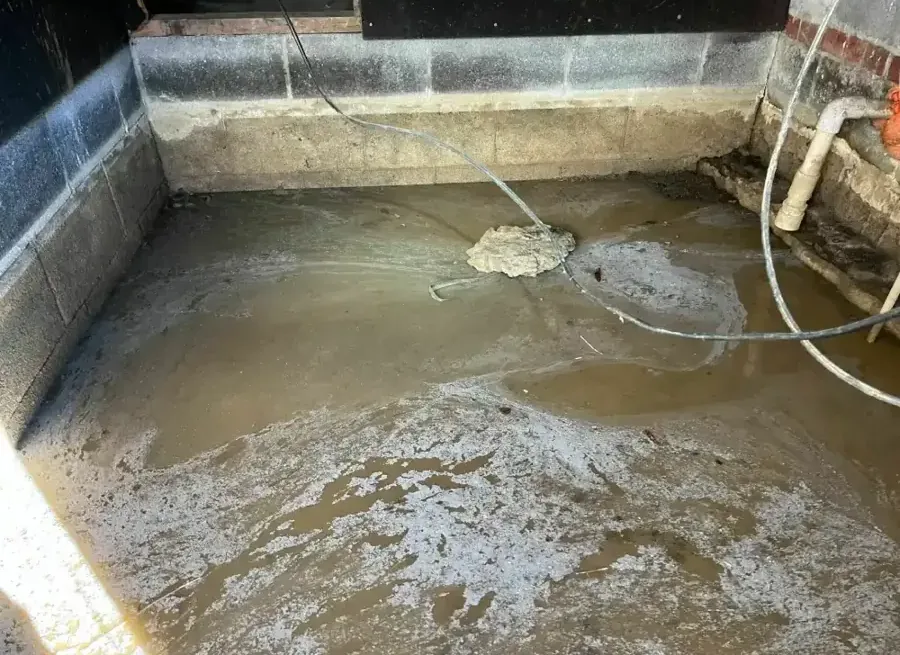
The building can remain wet after accessible water is removed. Structural drying focuses on moisture held in timber, wall cavities and floor layers, with equipment and access adjusted to the materials that still need recovery.
(888) 578-4720Discuss moisture inside the structure- Material targets
- Equipment adjustments
- Recorded progress

First steps for structural drying
- Share source and removal history
Describe when entry stopped and what was removed. Extraction and plumbing records help identify remaining moisture rather than carrying forward assumptions from the first visible puddle.
- Keep the wet assembly accessible
Avoid replacing trim or covering cavities before assessment. Representative material locations need to remain reachable so moisture changes can be measured and explained during the repair handoff.
- Follow the equipment arrangement
Ask which openings and electrical circuits support drying. Airflow changes can interrupt recovery, so occupants need a practical route around the active work area and equipment.
- Report fresh water or changed conditions
New dripping, returning stains or disconnected equipment deserve attention. The assessment can distinguish an interrupted setup from a source adding moisture to previously inspected building materials.
How the team handles structural drying
Rapid local response
The response team prioritizes source control, safe entry and the full path of wet materials. A visible puddle is only the starting point for the assessment.
IICRC S500 drying standard
The drying technician measures affected assemblies, sets a dry reference and adjusts air movement and dehumidification to the materials that remain.
Claim-ready documentation
The mitigation file records photographs, moisture readings, removal decisions and equipment use. The property owner checks policy questions with the insurer.
Local water experts
The restoration assessment separates the water source from the damage it leaves behind. Plumbing repairs, safe electrical access and material drying each receive attention.
What does structural drying cost in Dunn, NC?
Structural drying in Dunn has planning ranges from $1,000 to $9,000+. Material density, concealed access, affected area and equipment needs influence the scope. The estimate should explain monitoring and any required openings, while separating reconstruction and source repairs from the drying work.
Targeted material drying
$1,000 to $2,000
- Limited accessible wet building components
- Focused equipment placement within room
- Repeat observations at identified locations
Several wet assemblies
$2,000 to $4,000
- Connected walls and flooring layers
- Additional openings for useful access
- Broader moisture and condition monitoring
Dense or extensive structure
$4,000 to $9,000+
- Slow moisture release from assemblies
- Complex access through affected spaces
- Larger coordinated drying equipment scope
Compare the materials, water category and wet area with the cost planning calculator. An on-site assessment defines the work and any separate repairs.
The structural drying process
- 1
Set material drying objectives
Identify wet assemblies and suitable reference conditions. Record accessible surfaces and areas needing investigation before equipment can address moisture throughout the affected portions of the building.
- 2
Arrange airflow and moisture removal
Position equipment around material access. Consider power, room conditions and circulation so moisture released from the structure can be removed while essential routes remain usable.
- 3
Compare progress at recorded locations
Repeat checks follow specific components. Slow areas prompt assessment of access, equipment or source status before the original setup simply continues without changes to its approach.
- 4
Assess readiness for material repairs
Closing observations describe retained materials and unfinished work. Reconstruction decisions use that record while source repairs and decorative tasks remain distinct from the drying stage.
A quiet room with no puddles can still contain damp framing or a wet subfloor. Structural drying in Dunn begins by identifying those retained materials and deciding how air and moisture removal can reach them. The equipment plan should explain which assembly each opening or machine serves, rather than treating the room as a single uniform surface.
Build the drying plan around accessible materials
Paint, floor coverings and insulation can restrict moisture movement. Inspection determines whether a material can recover in its existing position or needs additional exposure. The decision should balance useful access with the condition of the finish, documenting why an opening was made and what wet surfaces became available after the assembly was inspected.
- Identify measurement locations clearly so later readings describe changes in the same affected material rather than a nearby dry finish.
- Record the water source and any contamination decisions before treating retained components as suitable candidates for the drying setup.
- Check dense or enclosed areas separately when their moisture changes more slowly than the exposed room surfaces surrounding them.
- Explain equipment power and access requirements so occupants understand which doors, windows and work areas need a consistent arrangement.
Account for distinct assemblies in older or altered rooms
The Kenneth L. Howard House has a National Register listing. The John E. Wilson House is also listed in Dunn. Where an affected property contains detailed finishes or previous alterations, the drying assessment should identify its actual layers. An earlier patch, concealed backing or added floor covering can create a different moisture route from the visible decorative face.
Dunn has a humid subtropical climate. A drying area needs managed indoor conditions so moisture leaving the structure can be removed effectively. Open windows or frequent changes to the equipment arrangement can alter that balance, making clear operating instructions part of the material recovery plan.
Use progress to revise access and equipment
Cumberland Street follows U.S. Route 421 through the city. At a property along that corridor, as elsewhere, the important drying record is room-specific. Repeated material observations help distinguish ordinary progress from a damp pocket that needs a different air path, another opening or further source investigation.
Completion should be explained through the condition of the affected assembly, with remaining repair needs listed separately. Hardwood floor water damage may require a later finishing decision even after structural moisture improves. Keeping those milestones distinct helps the owner understand why a dry framing assessment and a finished room occur at different stages of recovery.
Review flood safety precautions before entering a wet building and EPA indoor air quality information when planning cleanup.
Structural drying in Dunn
Dunn's Kenneth L. Howard House is nationally listed, as is the John E. Wilson House. For a wet property near Cumberland Street, describe exposed materials and cavities that remain inaccessible after extraction.
The same service nearby: structural drying in Smithfield, Benson, Selma.
Related water damage services in Dunn


Structural Drying questions in Dunn
Why does equipment remain after the floor looks dry?
Visible water and absorbed moisture are different parts of the loss. Framing or subfloor layers can remain wet after the walking surface improves, so equipment decisions follow the condition of those retained materials.
Can windows stay open during controlled drying?
The setup may depend on keeping outdoor moisture separate from the work area. Ask which openings should remain closed, since uncontrolled ventilation can change the conditions used to remove moisture from the structure.
Does every wall need to be opened?
Access depends on the water route, material condition and drying prospects. Inspection should explain which cavities need exposure and why, rather than assuming either that all finishes must come off or that none require access.
How is slow progress addressed?
The setup should be assessed against material readings and source status. A damp pocket may need improved access, a revised air path or another investigation before equipment continues operating under the original arrangement.
Can occupants unplug a noisy machine overnight?
Interruptions can change the drying conditions and delay material recovery. Discuss occupancy needs and equipment concerns with the cleanup team so the arrangement can be managed without unrecorded changes to the operating plan.
What shows that reconstruction can begin?
The affected materials need a documented condition suitable for the planned repair. Final observations and any outstanding access or source concerns should be communicated before a contractor closes cavities or installs replacement finishes.
Connect equipment decisions with measured progress
Identify materials, access and measurement points in the drying plan. Clear observations support the transition from extraction to reconstruction throughout the affected property.