Sewage Backup Cleanup in Smithfield, NC
Sewage is Category 3 water from the start. Smithfield cleanup technicians establish protective controls, remove contaminated absorbent materials and clean the remaining structure before disinfectant treatment and measured drying.
(888) 578-4720Assess the sewage-affected area- Category 3 precautions
- Controlled removal and cleaning
- 24/7 damage response

First steps for sewage backup cleanup
- Stop contributing wastewater
Suspend use of fixtures connected to the backup and arrange source assessment. Continued flushing or appliance discharge can expand the contaminated area before cleanup begins.
- Restrict the wet rooms
Keep people and pets away from sewage and affected contents. Avoid transferring residue on shoes, towels or belongings into rooms that stayed dry.
- Report connected drain symptoms
Explain which drains overflow and whether several fixtures are involved. The source professional needs that information while the mitigation team plans the indoor cleanup boundary.
- Preserve safe observations
Photograph the visible backup from a clean area and record when it appeared. Do not enter sewage to retrieve items or operate wet electrical equipment.
How the team handles sewage backup cleanup
Rapid local response
The response team prioritizes source control, safe entry and the full path of wet materials. A visible puddle is only the starting point for the assessment.
IICRC S500 drying standard
The drying technician measures affected assemblies, sets a dry reference and adjusts air movement and dehumidification to the materials that remain.
Claim-ready documentation
The mitigation file records photographs, moisture readings, removal decisions and equipment use. The property owner checks policy questions with the insurer.
Local water experts
The restoration assessment separates the water source from the damage it leaves behind. Plumbing repairs, safe electrical access and material drying each receive attention.
What does sewage backup cleanup cost in Smithfield, NC?
Sewage backup mitigation often ranges from $1,500 to $5,000 for a limited contaminated area. Several rooms, concealed wastewater or extensive porous material removal can increase the scope to $5,000 to $12,000 or more, excluding drain repair and rebuilding.
Limited contaminated room
$1,500 to $3,000
- PPE and controlled extraction
- Local removal and surface cleaning
- Initial structural moisture checks
Connected contaminated areas
$3,000 to $5,000
- Expanded containment and handling
- Wet cavity and floor-layer access
- Disinfection and drying records
Extensive sewage contact
$5,000 to $12,000+
- Larger porous material removal
- Multiple retained drying assemblies
- Detailed sanitation and repair handoff
Compare the materials, water category and wet area with the cost planning calculator. An on-site assessment defines the work and any separate repairs.
The sewage backup cleanup process
- 1
Establish protective controls
The cleanup crew assesses exposure and safe entry, selects appropriate PPE and separates the contaminated work area from occupants and clean circulation routes.
- 2
Extract and remove affected layers
Controlled extraction removes wastewater while the team identifies porous material contact, including wicking above the visible water mark and hidden floor transitions.
- 3
Clean and apply treatment
Retained accessible surfaces receive soil removal and suitable EPA-registered antimicrobial treatment, with the labeled dwell time observed before the final structural drying phase.
- 4
Verify retained-material drying
The technician logs moisture progress after cleaning and identifies remaining reconstruction, source repair or access needs in the final condition and handoff record.
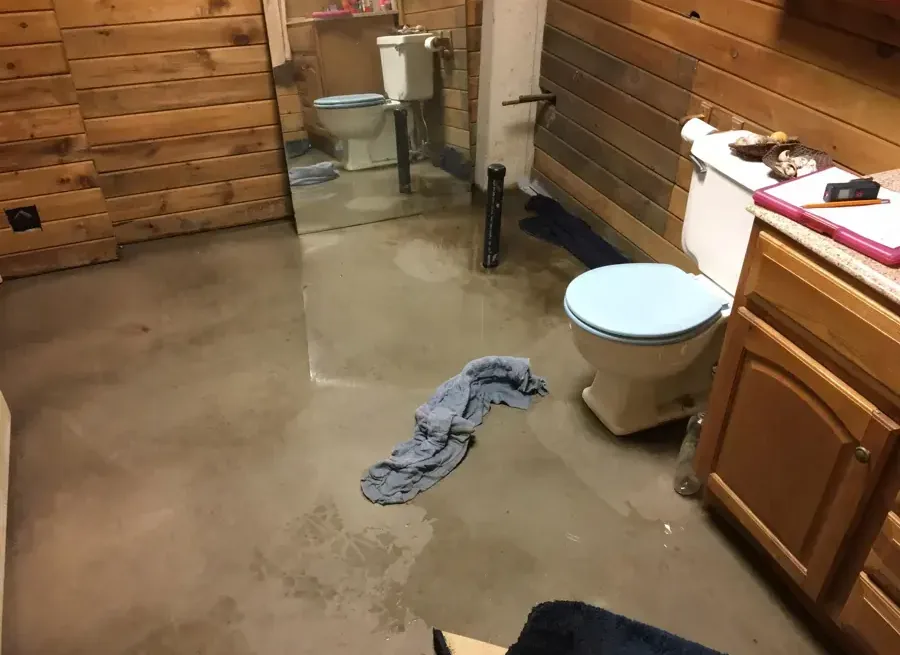
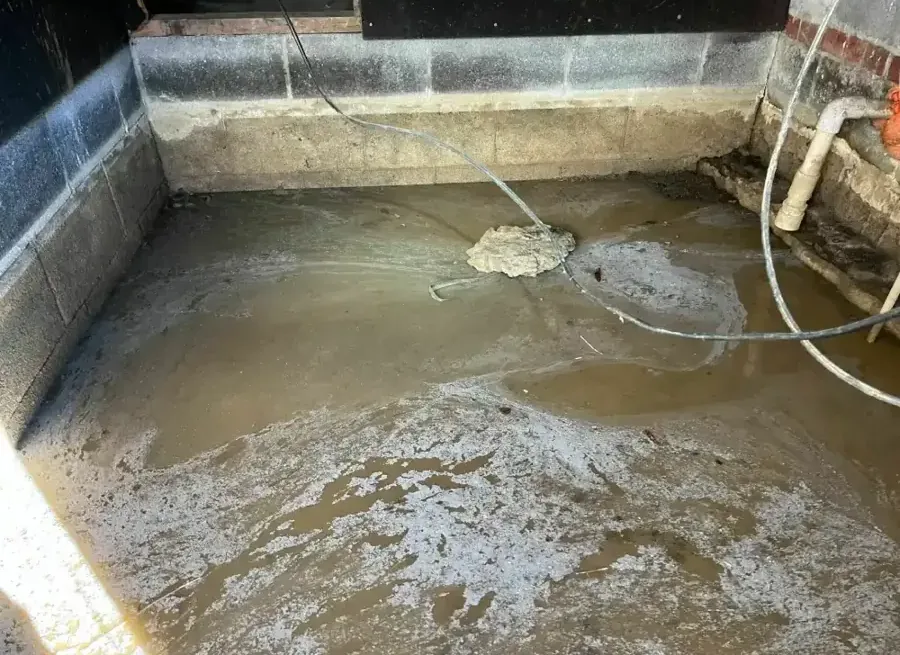
A sewage backup makes the cleanup area a contamination problem, even after the visible water recedes. The response team controls access before extracting wastewater or handling contents. At a Market Street property, the assessment checks neighboring rooms and shared circulation so removal does not spread residue into spaces that remained dry.
Protect the work area and the people outside it
Cleanup personnel use gloves, protective clothing, eye protection and respiratory protection appropriate to the assessment. Containment and a controlled entry route help separate dirty materials from occupied space. The team evaluates airflow before operating fans, because uncontrolled movement can distribute droplets or disturbed residue.
Stop using fixtures that add to a backup and keep children and pets out of the room. Avoid walking through wastewater or carrying soaked items across clean flooring. The cleanup team establishes protection and a suitable removal route before extracting water, opening walls or moving contaminated contents.
Contaminated porous material needs removal
Drying does not make sewage-soaked padding, insulation or damaged wallboard clean. The technician checks wicking above the visible water mark and records the removal boundary. Porous materials affected above that mark also require attention. Sound accessible structural surfaces receive cleaning after loose contamination and unsalvageable layers are removed.
- Photograph the initial backup and material contact before extraction or demolition changes the evidence.
- Inspect wall cavities and floor transitions for contamination beyond the obvious puddle.
- Remove sewage-affected absorbent layers using controlled handling and disposal routes.
- Clean retained surfaces before applying an EPA-registered antimicrobial at its labeled dwell time.
Resolve the drain source separately from the room cleanup
A plumber or responsible utility evaluates the backup source. Indoor mitigation addresses the wastewater already released. A property in West Smithfield may have a blocked fixture, building drain or another drainage issue; the cleanup technician does not assign utility responsibility without an investigation.
Buildings along Brightleaf Boulevard may need a restricted restroom or work zone while source work proceeds. The manager and response team identify safe circulation and which fixtures must remain unused. Affected rooms still need cleaning and material moisture checks after the drain clears.
Dry the cleaned structure and document the handoff
After removal and cleaning, the drying team controls humidity and airflow around the retained structure. Repeat measurements show progress in wood, wall bases and other accessible assemblies. The completion record distinguishes sanitation work, drying results and the reconstruction still needed.
24/7 sewage damage support begins with exposure control and continued discharge. The owner keeps source findings, photographs, removal records and drying logs together when discussing the loss with the insurer.
Review flood safety precautions before entering a wet building and EPA indoor air quality information when planning cleanup.
Sewage Backup Cleanup in Smithfield
Restoration support covers ZIP 27577, West Smithfield and the historic downtown district, including properties around Market Street and Brightleaf Boulevard. The assessment follows the wet rooms, floor layers and safe entry route at each home or business.
Related water damage services

Sewage Backup Cleanup questions in Smithfield
Why is sewage Category 3 immediately?
Sewage contains significant contamination. The response begins with exposure controls and a removal plan rather than treating it as a sanitary leak that can simply dry in place.
Can sewage-soaked padding be saved with disinfectant?
A chemical application does not make contaminated absorbent layers automatically salvageable. The technician evaluates porous material contact and removes affected layers that cannot remain safely in the cleanup scope.
Why remove material above the visible water mark?
Water can wick upward into porous wallboard and insulation. The removal boundary follows affected material, not just the highest puddle mark. Measurements and inspection establish how far the contamination reached.
Does clearing the drain complete the job?
No. Source correction prevents further backup, while indoor cleanup addresses wastewater, contaminated materials and retained moisture. The two scopes should coordinate but remain clearly described.
When should fans begin?
The crew establishes contamination controls and completes the appropriate extraction, removal and cleaning sequence first. Uncontrolled airflow across dirty surfaces can spread droplets or residue into adjoining rooms.
What does the final record include?
The record identifies the source information available, materials removed, cleaning and treatment work, and moisture readings for the retained structure. It also notes repair items outside the mitigation scope.
Contain the backup and recover the affected structure
The cleanup team removes contaminated layers, cleans and treats retained surfaces, then documents structural drying. 24/7 support starts with exposure control.