Slab Leak Water Damage in Dunn
A damp floor with no obvious spill needs a source investigation before replacement materials go down. Slab leak cleanup coordinates pipe repair access with assessment of the flooring, lower walls and hidden moisture above concrete.
(888) 578-4720Discuss the damp floor layers- Source diagnosis
- Floor layer inspection
- Measured slab drying
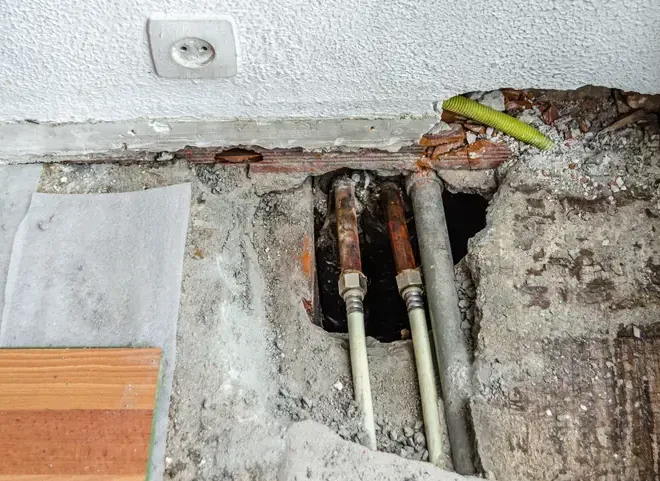
First steps for slab leak water damage
- Describe the earliest floor change
Record damp spots, lifting edges and when they appeared. Identify the room so source investigation can compare those observations with the plumbing findings.
- Arrange diagnosis before concealing the area
A qualified plumbing assessment establishes the leak location and repair approach. Replacing a floor covering before source control can leave new materials exposed to continuing moisture beneath them.
- Clear the access route
Move dry belongings from work routes when safe. Include fixed furnishings and heavy contents in the access discussion before concrete or floor layers are opened.
- Keep the repair and cleanup records together
Photographs of exposed pipes, the damaged floor and nearby wall edges help connect the two scopes. Save any findings about the source alongside the material drying observations.
How the team handles slab leak water damage
Rapid local response
The response team prioritizes source control, safe entry and the full path of wet materials. A visible puddle is only the starting point for the assessment.
IICRC S500 drying standard
The drying technician measures affected assemblies, sets a dry reference and adjusts air movement and dehumidification to the materials that remain.
Claim-ready documentation
The mitigation file records photographs, moisture readings, removal decisions and equipment use. The property owner checks policy questions with the insurer.
Local water experts
The restoration assessment separates the water source from the damage it leaves behind. Plumbing repairs, safe electrical access and material drying each receive attention.
What does slab leak water damage cost in Dunn, NC?
Slab leak water damage cleanup in Dunn is illustrated by ranges from $1,500 to $10,000+. Flooring layers, concealed spread and access needs affect mitigation costs. Locating or repairing the pipe and replacing concrete or finishes may require separate work scopes.
Limited wet flooring
$1,500 to $3,000
- Small exposed floor covering area
- Nearby partition edges checked separately
- Focused access for retained moisture
Several affected assemblies
$3,000 to $6,000
- Connected flooring and lower walls
- Additional layers requiring removal decisions
- Expanded monitoring of drying progress
Extensive concealed spread
$6,000 to $10,000+
- Moisture beneath broad continuous finishes
- Complicated access around fixed furnishings
- Larger affected substrate drying scope
Compare the materials, water category and wet area with the cost planning calculator. An on-site assessment defines the work and any separate repairs.
The slab leak water damage process
- 1
Check source and foundation arrangement
The assessment uses actual construction and plumbing findings to identify wet coverings, lower partitions and connected rooms beyond the pipe repair opening.
- 2
Evaluate retained and removable layers
Each layer is considered for condition and drying access. Damaged adhesive, backing and trim receive individual decisions alongside the visible floor covering.
- 3
Expose moisture to controlled conditions
Equipment serves accessible wet materials. Readings reveal moisture beneath remaining finishes or inside a partition, helping determine whether additional drying access is necessary.
- 4
Document the replacement surface condition
The closing assessment supports the repair handoff. Flooring installation requirements, unresolved source work and substrate preparation remain part of the decision before replacement begins.
A darkened floor joint or damp carpet edge can point toward water beneath the finish, but the cleanup plan begins with locating the source. At a Dunn building with a diagnosed slab leak, the plumbing repair and material recovery should be coordinated. Opening concrete to reach a pipe and exposing damp flooring for drying serve different purposes.
Identify the layers that held the moisture
A floor is an assembly rather than a single surface. Covering, backing, adhesive and the concrete beneath it can respond differently to prolonged moisture. The inspection should identify those layers and the route into adjoining walls. Water may spread laterally beneath a finish before appearing at the edge of a room or around a doorway.
- Record where discoloration, loosened adhesive or changes in texture first appeared before removing the affected floor covering.
- Include lower partition edges when dampness reaches the wall, even if paint above the baseboard still looks unchanged.
- Keep the plumber's source findings with the cleanup record so repair access and drying access can be compared.
- Check transitions into neighboring rooms for moisture that traveled beneath a continuous finish rather than across its exposed surface.
Plan access around the occupied property
Cumberland Street carries U.S. Route 421 through Dunn, while Clinton Avenue follows U.S. Route 301. At an affected property, the work area needs a clear route for equipment and removed flooring. Dust control during pipe access, protection of belongings and the drying setup should be discussed together before overlapping activities begin inside the building.
The Dunn Commercial Historic District is listed on the National Register of Historic Places. Where an affected property has distinctive finishes, photographs and material descriptions help explain retention decisions. The drying assessment should address the actual floor construction and condition found during access, including any earlier patch or repair.
Use drying results to plan replacement
Removing the wet covering may improve access, but concrete can retain moisture after its surface changes color. Replacement decisions need the condition required by the chosen finish and installation system. A moisture check at the end of extraction alone cannot substitute for evaluating the surface that will receive new material.
Interstate 95 crosses the eastern side of the city. For properties throughout the service area, the useful handoff is a written account of the repaired source, exposed layers and remaining drying work. Hardwood floor assessment may also be relevant when timber coverings were affected above the concrete and need their own recovery decision.
Review flood safety precautions before entering a wet building and EPA indoor air quality information when planning cleanup.
Slab leak water damage in Dunn
For a Dunn property near Cumberland Street, Clinton Avenue or Interstate 95, describe where dampness appears inside the building. Floor covering type and the plumber's findings help focus the material assessment around the affected slab.
The same service nearby: slab leak water damage in Smithfield, Benson, Selma.
Related water damage services in Dunn



Slab Leak Water Damage questions in Dunn
Does damp flooring always indicate a slab leak?
Several sources can wet a floor, including nearby fixtures or exterior entry. Plumbing diagnosis and inspection establish the actual cause before the cleanup is scoped around an assumed leak beneath the concrete.
Can the floor stay down during drying?
Retention depends on the material, its condition and whether trapped moisture can escape. A covering that blocks drying or has lost its bond may need removal so the underlying layer can be assessed.
Are pipe repair openings sufficient for drying?
The wet footprint can extend beyond the opening used to reach the pipe. Material readings and inspection determine whether additional flooring or wall access is needed to address water outside the repair area.
Why check baseboards beside the damp floor?
Moisture beneath a finish can reach the bottom of a partition. Trim may conceal wet backing or drywall, so nearby edges are checked where the water path suggests contact with the wall assembly.
When can replacement flooring be installed?
Installation follows source repair, material recovery and confirmation that the receiving surface suits the selected product. The installer and cleanup scope should agree on that condition before the new covering closes the floor.
What belongs in the estimate for cleanup?
The scope should identify affected coverings, access work, disposal and drying. Pipe location, plumbing repair, concrete replacement and decorative finishes should be identified clearly so the owner can understand which tasks are included.
Make replacement follow the drying assessment
A workable plan identifies the wet layers, the access they require and the condition needed before new flooring returns. Discuss the floor assembly and adjoining walls together.