Toilet Overflow Cleanup in Dunn
An overflowing bowl can send wastewater through bathroom seams and beneath the doorway. The immediate priority is keeping people clear while the discharge stops and the full contact area is assessed for controlled cleanup.
(888) 578-4720Discuss bathroom wastewater contact- Restricted access
- Contact boundary
- Subfloor inspection
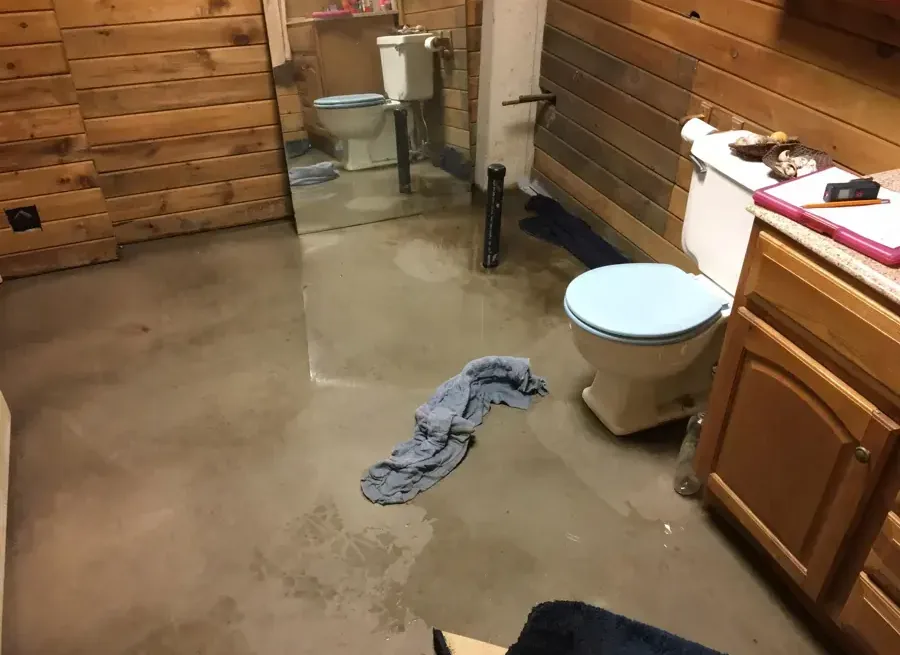
First steps for toilet overflow cleanup
- Stop flushing and restrict access
Keep the fixture unused and occupants outside the spill. An accessible shutoff may help when it can be reached without wastewater contact or nearby electrical hazards.
- Avoid carrying contamination into clean rooms
Do not drag wet mats or towels across dry flooring. Their removal needs a contained route and suitable handling so the cleanup boundary does not expand through ordinary household movement.
- Record nearby surfaces
Photograph the doorway, vanity base and joints from dry ground. Report water below the bathroom so inspection includes the route through the floor assembly.
- Arrange source correction alongside cleanup
A blockage or fixture problem needs appropriate service before use resumes. Coordinate that work with material inspection so opening the fixture area also provides an opportunity to assess concealed water contact.
How the team handles toilet overflow cleanup
Rapid local response
The response team prioritizes source control, safe entry and the full path of wet materials. A visible puddle is only the starting point for the assessment.
IICRC S500 drying standard
The drying technician measures affected assemblies, sets a dry reference and adjusts air movement and dehumidification to the materials that remain.
Claim-ready documentation
The mitigation file records photographs, moisture readings, removal decisions and equipment use. The property owner checks policy questions with the insurer.
Local water experts
The restoration assessment separates the water source from the damage it leaves behind. Plumbing repairs, safe electrical access and material drying each receive attention.
What does toilet overflow cleanup cost in Dunn, NC?
Toilet overflow cleanup in Dunn has example ranges of $800 to $6,000+. Wastewater contact, subfloor access and spread beyond the bathroom influence the work. Fixture service and finish replacement should be distinguished from water removal, sanitation and material drying.
Contained bathroom spill
$800 to $1,500
- Localized floor contact
- Accessible cleaning around the fixture
- Limited affected material removal decisions
Subfloor or adjoining damage
$1,500 to $2,500
- Moisture beneath the bathroom finish
- Water reaching nearby room edges
- Additional access and drying checks
Contaminated connected rooms
$2,500 to $6,000+
- Wastewater beyond the original bathroom
- Broader containment and disposal work
- Expanded sanitation of retained surfaces
Compare the materials, water category and wet area with the cost planning calculator. An on-site assessment defines the work and any separate repairs.
The toilet overflow cleanup process
- 1
Establish the bathroom boundary
Assessment identifies wastewater contact and safe routes. Occupied areas are separated from equipment and removal paths before the floor or fixture area is opened.
- 2
Remove water and unsuitable materials
Controlled recovery addresses the spill. Backing, trim and cabinet edges receive removal decisions where contamination or physical damage makes retention unsuitable after wastewater contact.
- 3
Clean surfaces and address hidden dampness
Cleaning accompanies access beneath affected finishes. Drying then targets suitable retained materials once removal decisions establish an exposed assembly that can be monitored properly.
- 4
Assess readiness for bathroom repair
Records explain source service, sanitation and unfinished finishes. Return to use follows safe access and completion of tasks required by the contact and material condition.
A toilet overflow can look confined while water has already entered gaps at the floor and fixture. Cleanup in Dunn should begin by stopping further discharge and keeping occupants outside the affected bathroom. Flushing again can add to the loss, and carrying wet towels through clean rooms can extend the contact area beyond the original spill.
Map wastewater contact before ordinary bathroom use resumes
The water's path matters even where the floor finish resists visible damage. Joints, trim and the base of a vanity can allow moisture into absorbent material. The assessment should distinguish surfaces suitable for cleaning from materials that require removal, with the reason documented before damaged finishes leave the room.
- Keep children and pets outside the bathroom and prevent shoes from carrying wet residue into occupied spaces.
- Record water at the doorway and beside the vanity where floor edges may hide further moisture travel.
- Include the room below when the overflow occurs upstairs and a new ceiling mark or drip develops.
- Leave fixture removal and access beneath the toilet to appropriate workers so the contact area is handled in control.
Consider the building beneath the bathroom finish
Clinton Avenue carries U.S. Route 301, and Cumberland Street follows U.S. Route 421 through central Dunn. At a property near that crossing, a bathroom on an upper floor may need a different work route from one beside an exterior entrance. Explain stairs, narrow doors and any remaining occupied rooms when arranging assessment.
The Dunn Commercial Historic District is nationally listed. In an affected property with distinctive tile or trim, photographs help preserve the original arrangement. Cleanup decisions still account for wastewater contact and access to the underlying materials, including any wet backing concealed by an intact decorative surface.
Combine sanitation with the drying assessment
Drying the room does not complete the cleaning of wastewater contact. Removal, surface cleaning and retained material drying should form a connected sequence. Porous layers beneath a floor may need direct access, and the fixture's operating problem must be resolved before it returns to normal service.
The repair handoff should explain what was cleaned, discarded and dried. Where the contact extends beyond the bathroom, sewage backup cleanup provides context for the broader controlled work area. New flooring or trim should follow the underlying material assessment rather than concealing dampness at the fixture base.
Review flood safety precautions before entering a wet building and EPA indoor air quality information when planning cleanup.
Toilet overflow cleanup in Dunn
In Dunn, a bathroom loss near Clinton Avenue, Cumberland Street or the Dunn Commercial Historic District needs a clear indoor location description. Identify the affected floor, nearby rooms and any ceiling below the overflow area.
The same service nearby: toilet overflow cleanup in Smithfield, Benson, Selma.
Related water damage services in Dunn



Toilet Overflow Cleanup questions in Dunn
Can the toilet be flushed to test it?
Further flushing can add water to the affected area. Keep the fixture out of use until the cause is addressed and any necessary testing can occur under controlled conditions as part of appropriate service.
Does tile prevent damage to the subfloor?
A tile surface does not eliminate joints or penetrations. Water can reach underlying materials at edges and openings, so the assessment considers the floor assembly rather than relying on the finish's appearance alone.
Are wet bathroom mats safe to carry outside?
Moving them through clean rooms can spread contamination. Keep affected items within the controlled area until a handling route is established, with documentation of damaged belongings before disposal or recovery decisions are made.
Why is the vanity included in the assessment?
Water can contact absorbent lower panels and concealed backing at the cabinet base. Those materials may need a different recovery decision from the hard bathroom floor, particularly when swelling or wastewater exposure is present.
Can equipment dry the bathroom before cleaning?
The contamination assessment should determine the sequence. Liquid removal, material decisions and cleaning establish which surfaces remain, then drying addresses retained moisture without overlooking wastewater contact that requires separate attention.
What if the ceiling below starts dripping?
Keep people clear of the affected overhead area and report the change. Water may have traveled through the bathroom floor, requiring inspection of the ceiling cavity and the materials along that downward route.
Bring the bathroom back through a clear scope
Source service and sanitation precede decorative repairs. Discuss floor seams, cabinet edges and the ceiling below the overflow when planning recovery of the affected materials.