Water Heater Leak Cleanup in Dunn
Water beside a heater can reach beneath its platform and into the next room before the tank is moved. Cleanup begins around safe appliance isolation, then follows the floor edges and materials concealed by the installation.
(888) 578-4720Discuss the tank-area water damage- Equipment isolation
- Platform inspection
- Adjoining floor checks
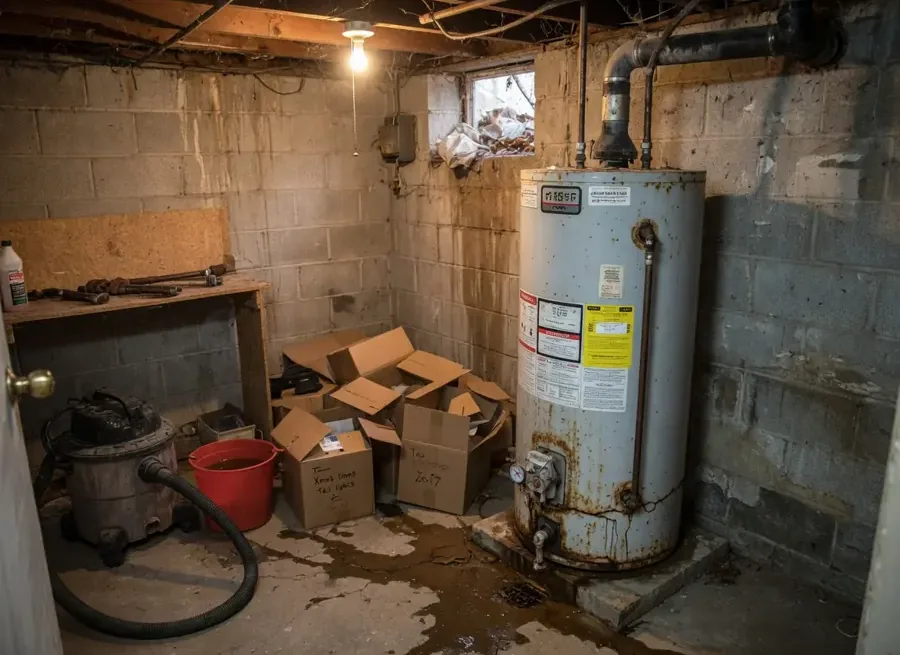
First steps for water heater leak cleanup
- Avoid wet appliance controls
Keep clear of hot water and wet electrical components. Safe isolation is needed before anyone handles the heater or carries equipment into the pooled water around it.
- Check beyond the utility space
From dry ground, look for water at the doorway or shared wall. Mention those changes so inspection extends beyond the immediate tank footprint into adjoining materials.
- Coordinate replacement with access for cleanup
The tank may need professional disconnection before its support can be inspected. Explain the drying concern before a replacement unit is placed over damp flooring or a damaged platform.
- Save images around tank removal
Photograph original pooling and the exposed footprint. Keep source repair records with observations about wet materials found after the installation area becomes accessible for inspection.
How the team handles water heater leak cleanup
Rapid local response
The response team prioritizes source control, safe entry and the full path of wet materials. A visible puddle is only the starting point for the assessment.
IICRC S500 drying standard
The drying technician measures affected assemblies, sets a dry reference and adjusts air movement and dehumidification to the materials that remain.
Claim-ready documentation
The mitigation file records photographs, moisture readings, removal decisions and equipment use. The property owner checks policy questions with the insurer.
Local water experts
The restoration assessment separates the water source from the damage it leaves behind. Plumbing repairs, safe electrical access and material drying each receive attention.
What does water heater leak cleanup cost in Dunn, NC?
Water heater leak cleanup in Dunn has example ranges of $700 to $5,500+. Platform condition, adjoining room spread and access behind the tank influence cleanup cost. Heater replacement, disconnection and support repairs should be identified separately from water removal and drying.
Contained tank-area loss
$700 to $1,500
- Pooling beside accessible equipment
- Limited nearby floor edge contact
- Checks beneath exposed equipment
Adjoining room damage
$1,500 to $2,500
- Water crossing the utility threshold
- Additional wall and flooring layers
- Expanded equipment placement and monitoring
Concealed or extensive spread
$2,500 to $5,500+
- Wet platform and hidden assemblies
- Broader removal before replacement access
- Complex drying around fixed installations
Compare the materials, water category and wet area with the cost planning calculator. An on-site assessment defines the work and any separate repairs.
The water heater leak cleanup process
- 1
Confirm safe appliance isolation
The source and equipment status are checked before extraction. Appropriate service addresses remaining leakage so the tank area does not continue receiving water during cleanup.
- 2
Recover water around the support
Pooling is removed and the footprint inspected when available. The assessment includes platform edges, neighboring walls and floor transitions connected to the original runoff.
- 3
Assess support and retained materials
Weakened components need repair decisions. Equipment dries materials suitable to retain, with access preserved for moisture checks behind and beside the installation before replacement proceeds.
- 4
Align installation and repair handoffs
Records describe the restored area and unfinished repairs before use resumes. Heater service stays distinct from flooring, trim and wall work caused by escaped water.
A new heater can hide the same wet platform that supported the old one if cleanup is rushed. At a Dunn property, the area beneath and around a leaking tank deserves inspection before replacement equipment blocks access again. The scope should coordinate safe disconnection with water removal and a decision about the materials supporting the installation.
Start with the appliance's immediate hazards
Water around a heater may be hot and may contact electrical components or other equipment. An owner should avoid touching wet controls or entering standing water to operate a switch. A qualified trade can establish safe isolation. The cleanup assessment then distinguishes the active discharge from water already held in the platform, floor or adjoining wall.
- Note whether water appears at the tank base, nearby connections or another visible point without dismantling the appliance.
- Describe the platform material and any swelling, softening or staining visible from outside the affected wet area.
- Check the adjoining doorway for water that escaped the utility space and traveled beneath a different floor finish.
- Keep replacement delivery and damaged material removal routes clear so the wet footprint can be assessed before equipment returns.
Inspect beyond the circular tank footprint
Clinton Avenue carries U.S. Route 301 through central Dunn. At a nearby home, as with a property along Cumberland Street, the useful access details are inside: a narrow utility doorway, stored belongings or a raised heater platform can affect inspection. Those constraints should be included when coordinating appliance service with the cleanup work.
Interstate 95 passes through eastern Dunn. Across the city, a leaking tank's removal may expose flooring and wall edges that were previously concealed. Photograph that condition before placing another unit, then address water retained in the accessible support assembly and the surfaces immediately behind it.
Finish the floor assessment before reinstalling equipment
Extraction removes pooling but cannot by itself establish whether a platform or floor layer has recovered. Material measurements, physical condition and access determine the drying plan. A damaged support needs an appropriate repair decision, while retained surrounding materials should be dried with enough access for meaningful follow-up checks.
A water heater replacement and restoration of the wet room may proceed under separate scopes. Keep both records so the source repair, drying work and remaining finish repairs are clear. If moisture has crossed the doorway, structural drying should account for those adjoining assemblies before trim or flooring closes the affected edges again.
Review flood safety precautions before entering a wet building and EPA indoor air quality information when planning cleanup.
Water heater leak cleanup in Dunn
For Dunn homes near Clinton Avenue, Cumberland Street or the city's eastern Interstate 95 corridor, identify the heater's room and available access. Mention hot water, wet controls and any moisture appearing beyond the utility area.
The same service nearby: water heater leak cleanup in Smithfield, Benson, Selma.
Related water damage services in Dunn



Water Heater Leak Cleanup questions in Dunn
Can the new heater cover a damp footprint?
The support and surrounding floor should be assessed first. Installing equipment over wet or damaged material can obstruct inspection and drying, so replacement timing should be coordinated with the cleanup and repair decisions.
Is water around the tank safe to touch?
The water may be hot or in contact with energized components. Keep clear of wet controls and standing water near the equipment until appropriate isolation and a safe work area have been established.
Why does cleanup include an adjoining hallway?
Escaped water can pass under a utility doorway or follow a continuous floor layer. A hallway that looks dry at its center may still have moisture along the threshold or beneath its covering.
Does replacing the tank dry the platform?
Replacement stops the appliance problem when correctly completed, but absorbed moisture remains a separate issue. The platform's construction and condition determine whether it can dry in place or needs additional access or repair.
Should stored belongings be moved immediately?
Dry items can be cleared through safe access. Wet heavy contents or items beside hot water and electrical equipment should remain for a handling plan that avoids injury and keeps the original damage record usable.
What should the final cleanup record describe?
It should show the affected footprint, adjoining materials and drying observations. Separate notes for appliance service, platform repairs and decorative restoration help explain what was completed and what work remains before the room is finished.
Restore the support before hiding it again
Coordinate tank replacement with platform and floor assessment. Keep retained moisture visible until the materials are ready for repair and equipment installation.