Water Damage Restoration in Benson
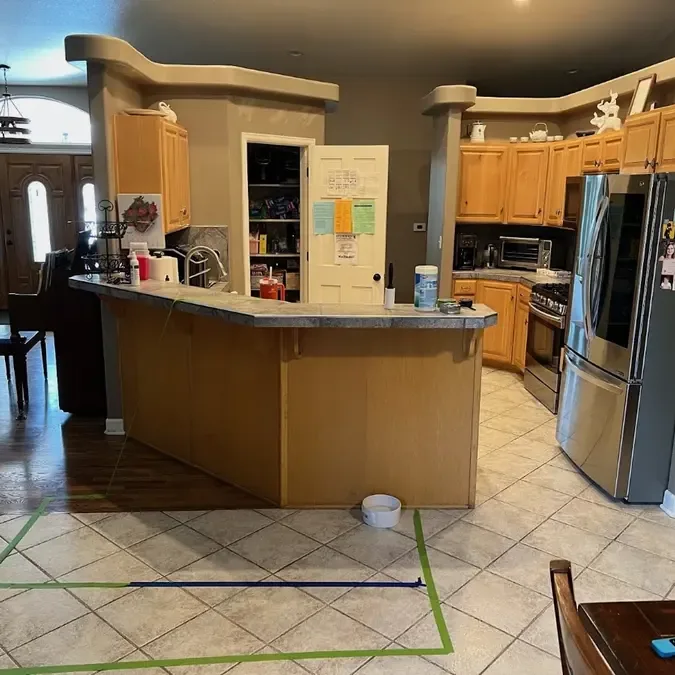
A spreading puddle calls for more than a towel. Restoration starts by locating the source, checking where water traveled and choosing equipment that reaches the affected floors, walls and concealed spaces inside the property.
(888) 578-4720Explain the water damage here- Water source assessment
- Material moisture checks
- Room by room planning
The visible spill is the starting point; moisture readings help define the full area that needs attention.
- 24/7 water responseSource control comes first
- IICRC S500A measured drying endpoint
- Water extractionRemove liquid before evaporation
- Moisture recordsTrack the materials below the finish
Different water sources need different cleanup decisions
Select the problem closest to what happened. Each service explains the immediate concern, the materials worth checking and the sequence between stopping the water and preparing rooms for repair.

Water Extraction
Standing water can connect rooms through doorways and floor edges. Removal focuses first on accessible pools, then on moisture trapped beneath the surface.
Water Extraction
Burst Pipe Water Damage
A split supply pipe can soak both sides of a partition. Shutoff and plumbing repair belong alongside a separate assessment of wet building materials.
Burst Pipe Water Damage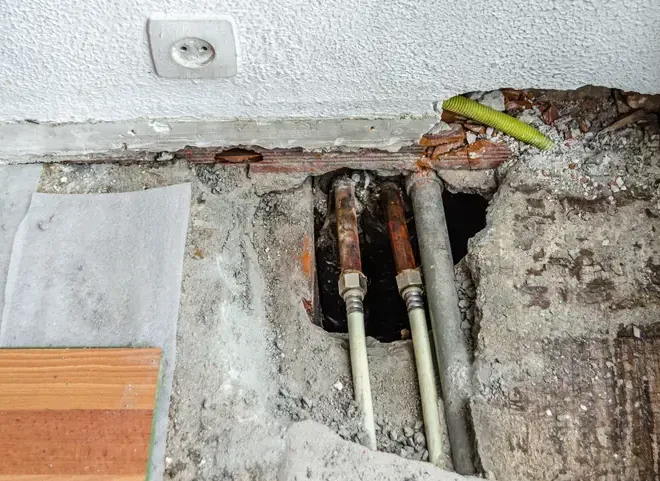
Slab Leak Water Damage
Damp flooring over concrete needs a traced source before demolition. Moisture mapping helps distinguish the visible flooring problem from water concealed beneath layered finishes.
Slab Leak Water Damage
Ceiling Leak Water Damage
An overhead stain may sit away from the entry point. Checking the ceiling cavity reveals which insulation, framing and connected wall surfaces need attention.
Ceiling Leak Water Damage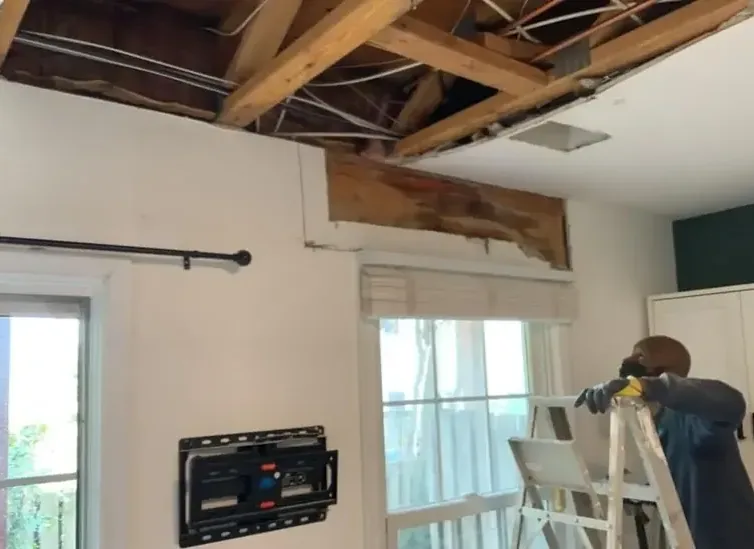
Roof Leak Water Damage
Rain can travel along roof framing before dripping indoors. Temporary weather protection and indoor drying work together while the roof defect receives appropriate repair.
Roof Leak Water Damage
Storm Flood Cleanup
Floodwater brings access and contamination concerns into the cleanup plan. The work begins with safe entry, followed by removal, cleaning and controlled material drying.
Storm Flood Cleanup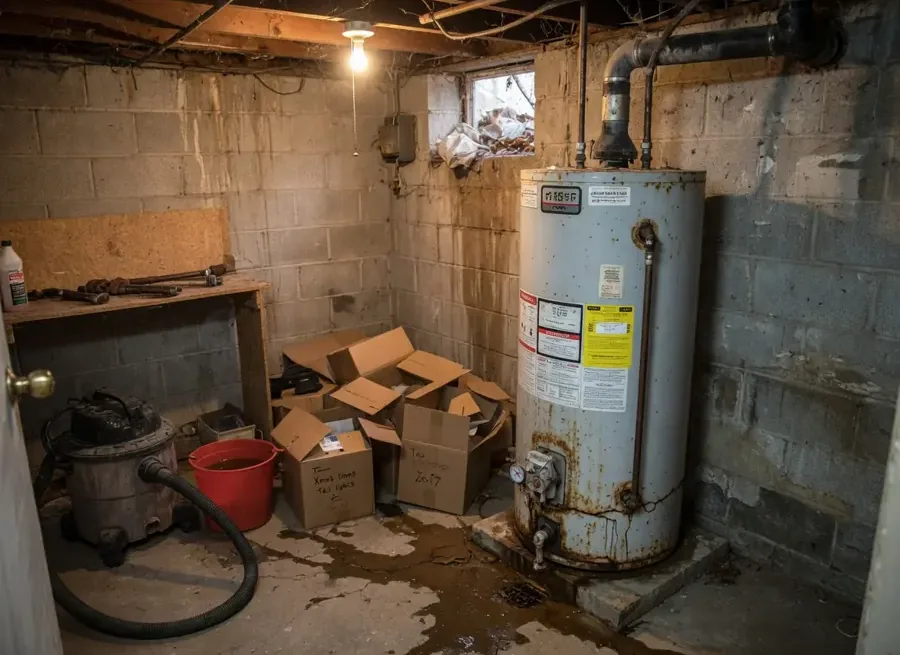
Water Heater Leak Cleanup
Water around a tank can disappear beneath nearby walls or flooring. The cleanup scope follows that spread after the heater is safely isolated.
Water Heater Leak Cleanup
Appliance Leak Water Damage
A dishwasher or washer can wet surfaces hidden beneath cabinetry. Inspection considers the appliance recess, floor layers and adjoining spaces before equipment placement begins.
Appliance Leak Water Damage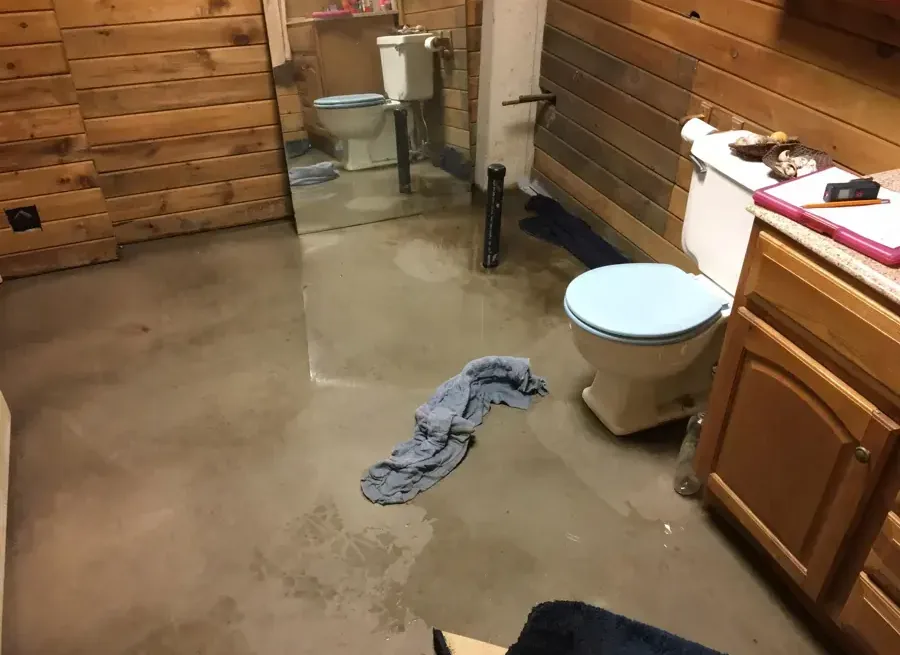
Toilet Overflow Cleanup
Stopping the bowl from overflowing leaves a second task: evaluating everything the water touched. Bathroom edges and adjoining flooring can expand the cleanup area.
Toilet Overflow Cleanup
Sewage Backup Cleanup
Dirty water rising through a drain requires restricted access. Contaminated materials, washable surfaces and the drain problem each need their own part of the plan.
Sewage Backup Cleanup
Hardwood Floor Water Damage
Raised board edges reveal movement, not a complete drying measurement. Wood, subfloor and adjacent finishes need comparison before decisions about sanding or replacement follow.
Hardwood Floor Water Damage
Structural Drying
Walls and framing can stay damp after floors look clear. Targeted airflow, humidity control and repeated readings track progress inside the affected building assemblies.
Structural Drying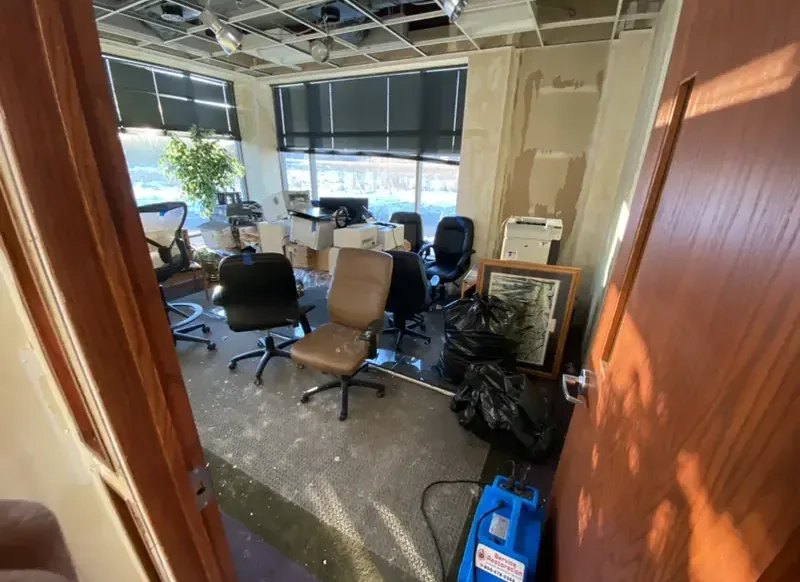
Commercial Water Damage
Wet stock, work areas and customer routes create competing priorities. A business cleanup plan separates affected rooms and records the condition of materials and contents.
Commercial Water Damage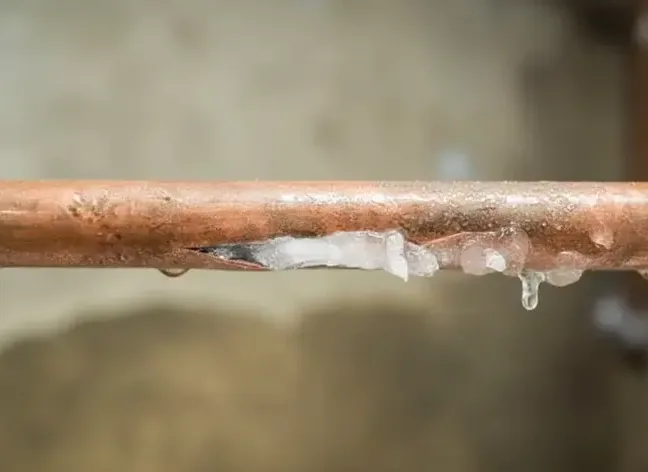
Frozen Pipe Water Damage
A thaw can expose a pipe split that was hidden by ice. Water control comes first, followed by inspection along the release path indoors.
Frozen Pipe Water Damage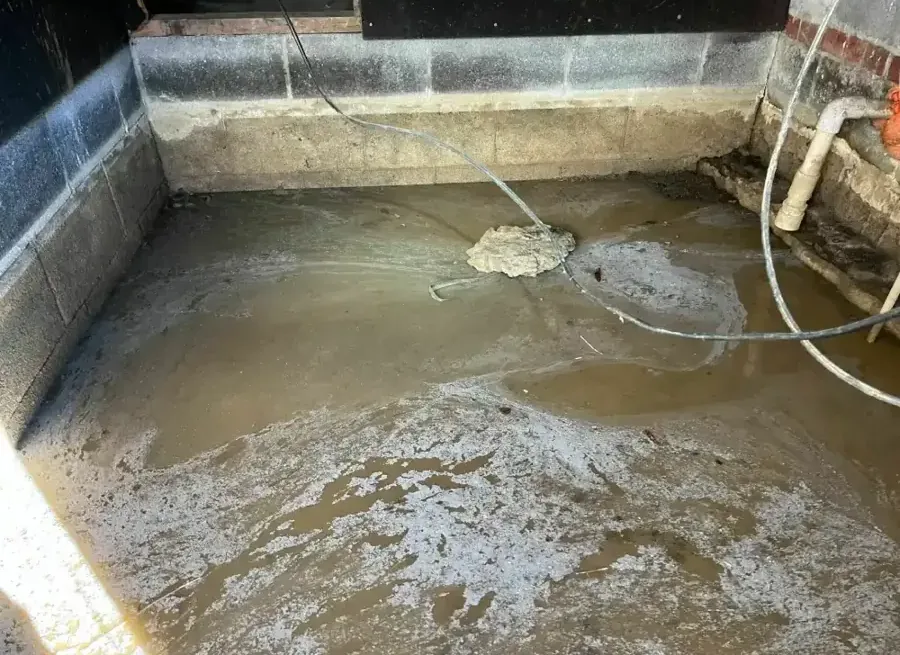
Crawl Space Water Removal
Underfloor water needs an access assessment before anyone enters. Pumping, insulation decisions and checks of damp framing shape the work beneath a raised floor.
Crawl Space Water RemovalMake the affected area safer to assess
- Keep the route dry
Avoid crossing pooled water to reach equipment, outlets or a valve. A dry access route matters more than retrieving belongings from the wet room.
- Control a reachable source
An accessible supply valve may stop a plumbing release. Do not enter an unsafe space or handle damaged electrical equipment to reach it.
- Photograph the first changes
Record wet floor edges, overhead stains and affected contents from a safe position. Keep the initial photographs with later repair and cleanup records.
- Separate people from contamination
Keep children and pets away from sewage or outdoor floodwater. Avoid carrying wet belongings through clean rooms before their condition has been assessed.
- Describe the hidden connections
Mention adjoining closets, cabinets and rooms below the spill. These connections help explain where moisture testing should extend beyond the largest visible puddle.
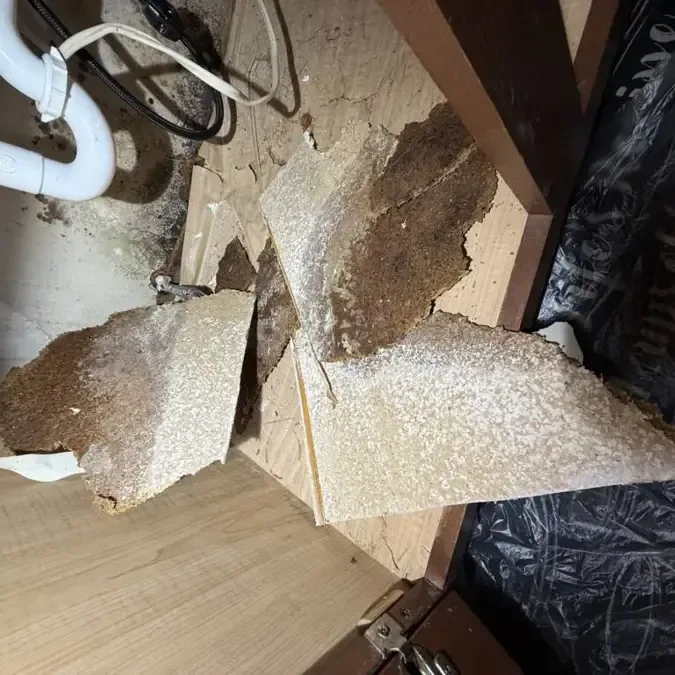
Useful answers start with the actual wet materials
A property on Main Street may have different access and finishes from a home in Willa Chase. Restoration decisions should follow the rooms, construction layers and water source encountered at each address.
Separate the tasks
Source repair, water removal and drying solve different problems. A clear scope identifies which work is needed and where those responsibilities meet.
Explain removal choices
Damaged porous materials may need removal while sound assemblies remain. Condition, contamination and access should explain each decision about opening a wall or floor.
Keep a moisture record
Measured changes provide a better basis for repair scheduling than surface appearance. Readings should follow the same affected areas throughout the drying process.
Plan the handoff
Replacement finishes belong after the structure reaches its drying targets. The closing documentation should describe completed mitigation and any remaining repairs or access openings.
A sequence built around moisture movement
Water removal is a visible milestone, but drying continues in the materials around it. Each stage should reduce uncertainty about the source, the affected area and the remaining work inside the building.
- Locate the entry
- Track wet assemblies
- Document the result
- Inspect connected spaces
Follow the spill through thresholds, wall bases and ceiling cavities. Record material differences that may change the extraction method or drying arrangement.
- Remove accessible water
Choose collection equipment for the water depth, access and surface. Protect usable contents and avoid spreading dirty water into unaffected rooms during removal.
- Manage retained moisture
Arrange airflow and dehumidification around the assemblies that remain. Open concealed areas where needed so wet layers can be assessed and treated effectively.
- Confirm repair readiness
Compare final readings with the drying target and record unresolved defects. Use that information to plan reconstruction instead of covering surfaces that remain damp.
What affects restoration costs in Benson?
Planning ranges run from $900 to $3,000 for limited damage, $3,000 to $7,000 for broader work and $7,000 to $10,000+ for extensive losses. The estimate depends on affected materials, contamination, access and the work needed after water removal.
A smaller contained loss
$900 to $3,000
- Accessible water in limited rooms
- Targeted drying around the source
- Few connected finishes requiring removal
Water across several assemblies
$3,000 to $7,000
- Multiple rooms with retained moisture
- More wall or floor access
- Equipment serving different material layers
A complex indoor loss
$7,000 to $10,000+
- Extensive spread through concealed spaces
- Contamination requiring additional material removal
- Difficult access and greater coordination
These ranges describe potential cleanup scopes. A written assessment should explain the included mitigation tasks, affected rooms and any plumbing or reconstruction work that needs a separate estimate.
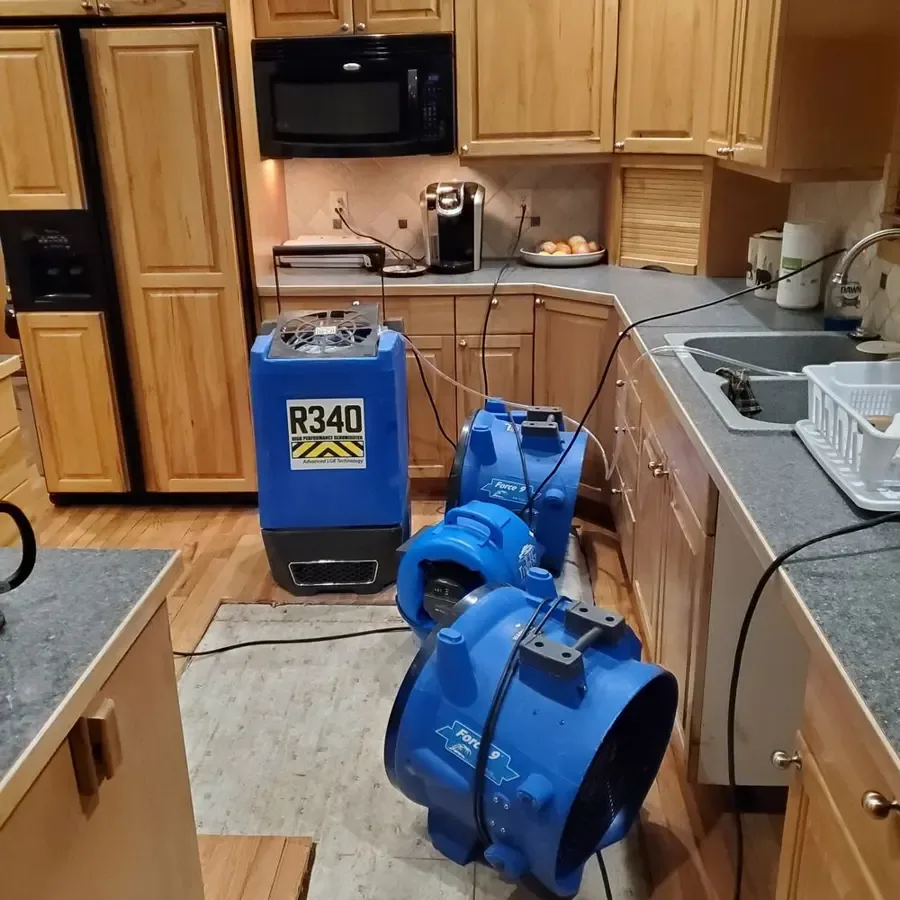
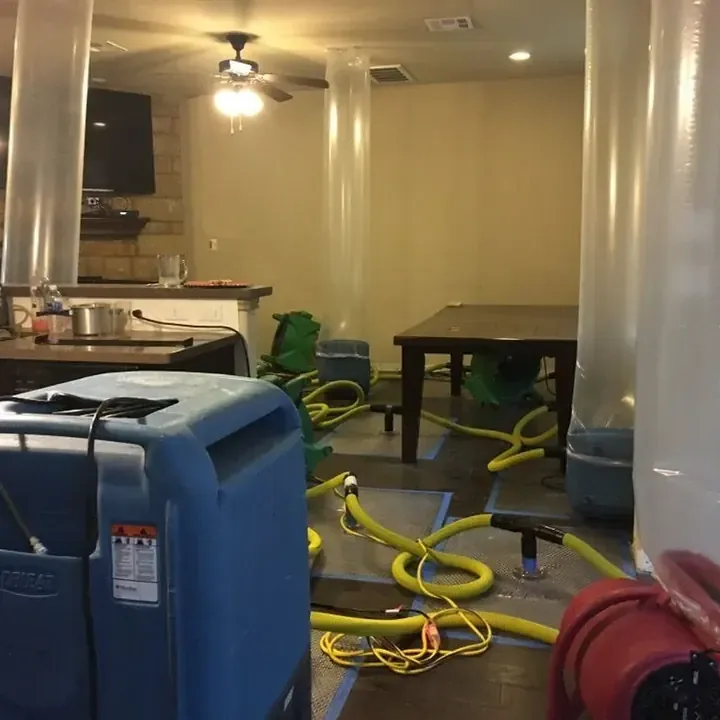
Equipment and materials during a cleanup
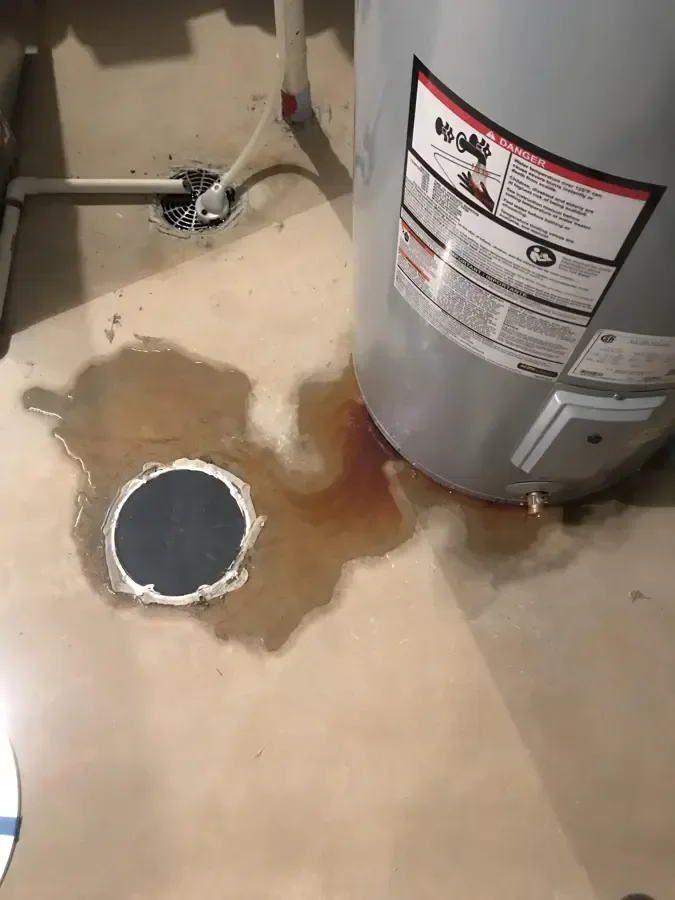
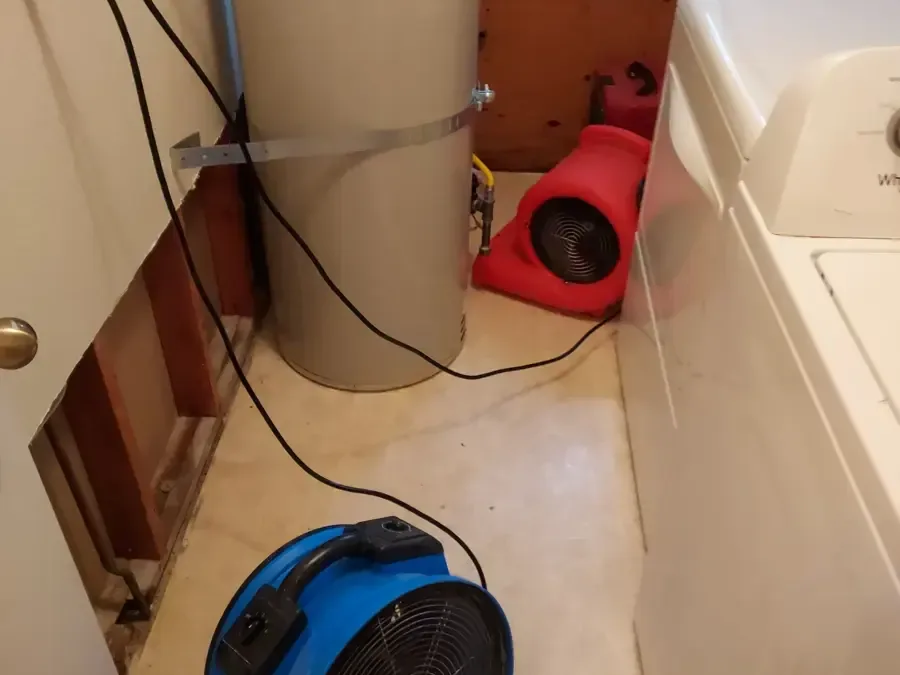
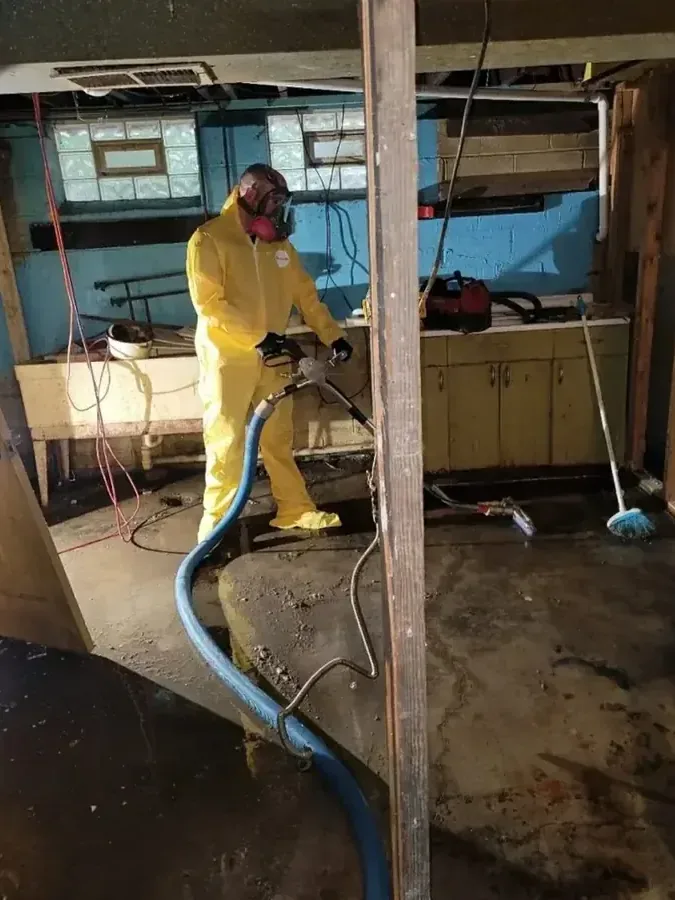
The source changes the handling plan
Pressurized supply water
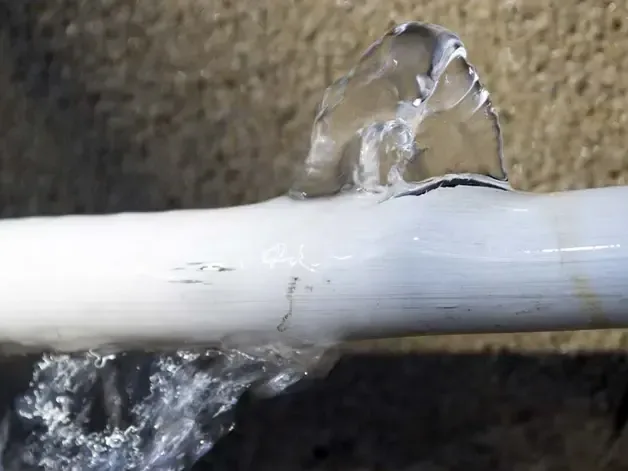
A supply failure may begin with a clear release, then spread through hidden cavities. Shutoff controls the source while moisture testing identifies retained water.
Trace a pipe releaseWater from household equipment
An appliance discharge may carry residues from its use. The machine, floor recess and surrounding cabinet materials all affect the cleaning and drying decisions.
Inspect the appliance recessA contaminated drain return
Sewage requires controlled access and careful handling of affected contents. Extraction alone leaves contaminated surfaces and porous materials needing additional decisions before drying proceeds.
Understand drain contaminationRecords that explain the damage
An organized record connects the first visible damage with the work performed. Keep photographs, source repair information and mitigation documentation together for conversations about the loss.
- Photographs showing the earliest visible water spread
- A written account of the discovery sequence
- Lists separating affected belongings from building materials
- Invoices identifying source repair and mitigation tasks
- Moisture records supporting the proposed repair handoff
When paying directly
A homeowner paying directly still benefits from an itemized scope. Ask how removal, cleaning, equipment and monitoring relate to the rooms and materials that were affected.
Clarify which repairs remain after mitigation ends. A dry structure may still need flooring, wall finishes or plumbing work, and those costs should be considered separately.
Describe the location and the entry
Routes through the town
- Main Street
- Wall Street
- Interstate 95
- Interstate 40
Town ZIP
27504
Explore restoration servicesA location is only part of access
Properties in Eastwood Subdivision, West Hale Subdivision and the downtown district may need different entry arrangements. Describe gates, interior stairs and the room where the water first appeared.
Mention blocked access or an occupied work area before equipment arrives. A useful initial description includes the source status, affected floor surfaces and any sewage contact.
(888) 578-4720Share the access detailsPlan before you call
Nearby service areas
Water damage questions explained
Read the water damage articles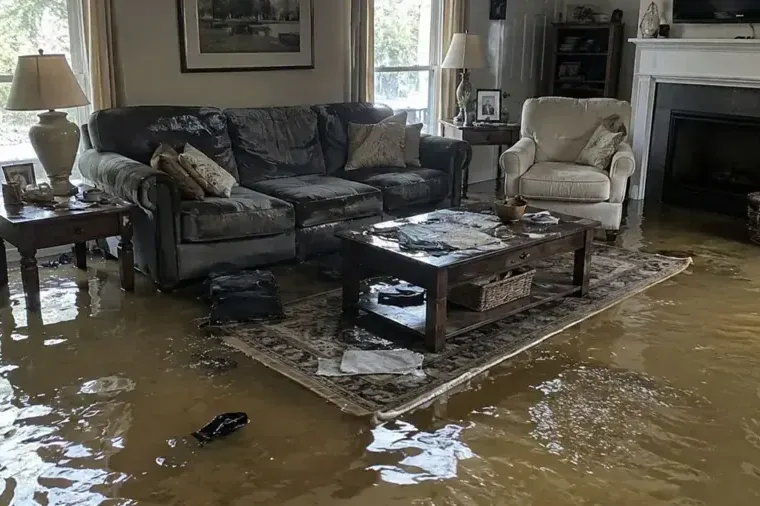
Drainage, supply pipes and connected rooms
Benson Public Works maintains streets, storm drainage structures and municipal water and sewer pipes. Indoor restoration focuses on the particular building while public drainage or utility concerns receive separate attention.
October 2016: Hurricane Matthew caused a roadway washout on Interstate 95 south of town, and NC DPS announced a temporary detour through Benson.
- Stormwater reporting: Benson Town Hall receives reports of stormwater issues. Describe the outdoor drainage concern separately from water already inside rooms so both problems receive attention.
- Unusual water use: The town uses its AMI system to flag possible leaks. An unexpected usage change can prompt a plumbing investigation alongside inspection of damp indoor materials.
- Downtown building connections: The historic district includes businesses and surrounding residential blocks. Shared walls, concealed spaces and the actual finishes determine how an indoor loss is assessed.
- Drain return indoors: Public Works maintains municipal sewer infrastructure. Dirty water inside a property still needs restricted access, careful cleanup and inspection of everything the discharge contacted.
- Hidden floor moisture: Water can reach beneath thresholds and cabinets before a puddle appears. Testing connected finishes helps identify the spread of an otherwise modest leak.
Restoration questions
Does an empty floor mean the cleanup is finished?
No. Extracted water may leave wet subflooring, wall bases or insulation behind. Completion depends on material condition, contamination and moisture readings, followed by documentation of the areas that are ready for repair.
What belongs in the first description of the damage?
State where water appeared, whether the source continues and which surfaces are wet. Mention sewage, ceiling movement or electrical concerns before discussing belongings. Photographs taken from a dry position can help describe the room layout.
Can a small leak affect the neighboring room too?
Yes. Water can move under flooring or along the bottom of a partition. An adjoining room may need testing even when its surface looks normal, particularly where cabinets or multiple finish layers hide the path.
Should damaged belongings be discarded before an assessment?
Keep safe photographs and a list before disposal decisions. Contaminated items should remain separated from clean contents. Material type, condition and contact with dirty water help determine what can be cleaned and what needs removal.
Who receives reports about a public stormwater problem?
The town directs stormwater issue reports to Town Hall. Describe the public drainage problem clearly while arranging separate assessment of indoor damage. Keep away from moving water and avoid crossing flooded access routes to inspect it.
Will the estimate include fixing a broken appliance?
The written scope should distinguish equipment repair from restoration of the wet building. A replacement appliance or plumbing repair may be separate from extraction, drying and finish repairs, so each responsibility needs to be identified.
Why do workers check moisture beneath floor coverings?
The exposed surface can dry before the layers beneath it. Moisture held against a subfloor or adhesive can affect the repair plan. Measurements help decide whether drying access is adequate or additional removal is needed.
Can a business continue using an unaffected room?
That decision depends on safe access, contamination, electrical conditions and separation from the work area. A usable room needs a protected route and appropriate boundaries, with equipment and hoses kept clear of necessary circulation paths.
Does the ZIP determine what cleanup work is needed?
No. The ZIP helps identify location, while the water source and affected construction determine the scope. Properties in the same area can require different removal methods, equipment arrangements and repair work after the structure dries.
When can new finishes cover the opened areas?
Replacement should follow source correction and suitable moisture readings in the remaining assembly. The closing record should identify the drying result and any unresolved issue, allowing repair planning to proceed with a clear understanding of the condition.
Describe what changed first
The first stain, puddle or drain return helps set the starting point. Include whether water is still entering and which rooms connect.
(888) 578-4720Discuss the first signStart with the source and the wet rooms
Describe the damage in Benson, including active water, hidden spaces and access concerns. Those details help organize the next assessment of the affected property.