Slab Leak Water Damage in Smithfield, NC
Slab leak water damage in Smithfield needs a confirmed plumbing source and a separate material drying plan. The restoration technician follows moisture through flooring, wall bases and cabinets after the supply is controlled.
(888) 578-4720Trace the wet floor layers- Concrete moisture assessment
- Floor-layer access
- 24/7 damage support
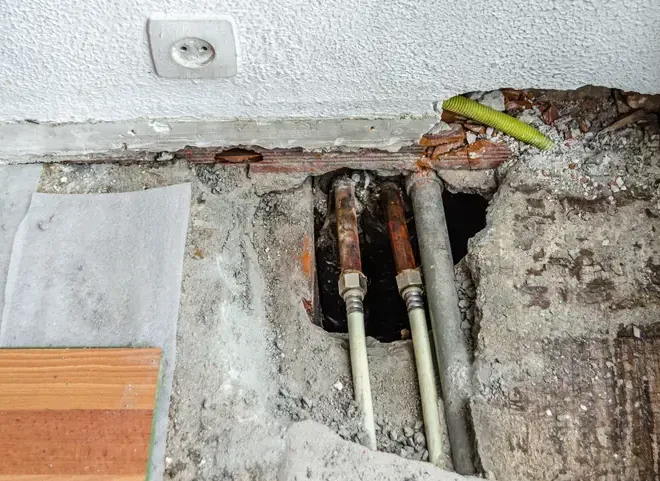
First steps for slab leak water damage
- Check a reachable shutoff
If a supply leak is active, close a safely accessible valve. Avoid entering wet electrical areas or opening concrete to search for the source.
- Arrange source detection
A plumbing assessment locates the leak and identifies a repair approach. Restoration measurements separately establish which floors, wall bases and cabinets absorbed water.
- Record changing floor conditions
Photograph damp seams, lifting finishes and swollen trim from a safe position. Note when the marks appeared and whether the water supply is still on.
- Protect access to wet edges
Move light, dry belongings when safe, but leave fixed cabinets and heavy appliances for the assessment. Hidden water may extend beneath those obstructions.
How the team handles slab leak water damage
Rapid local response
The response team prioritizes source control, safe entry and the full path of wet materials. A visible puddle is only the starting point for the assessment.
IICRC S500 drying standard
The drying technician measures affected assemblies, sets a dry reference and adjusts air movement and dehumidification to the materials that remain.
Claim-ready documentation
The mitigation file records photographs, moisture readings, removal decisions and equipment use. The property owner checks policy questions with the insurer.
Local water experts
The restoration assessment separates the water source from the damage it leaves behind. Plumbing repairs, safe electrical access and material drying each receive attention.
What does slab leak water damage cost in Smithfield, NC?
Slab leak water-damage mitigation often falls around $1,500 to $6,000, with extensive flooring or cabinet damage reaching $6,000 to $10,000 or more. Leak detection, pipe repair and replacement finishes may be separate from extraction and drying.
Limited wet flooring
$1,500 to $3,000
- Localized moisture mapping
- Targeted floor and wall drying
- Progress readings near the repair
Several affected assemblies
$3,000 to $6,000
- Selective finish access
- Cabinet and partition inspections
- Larger dehumidification setup
Extensive concealed spread
$6,000 to $10,000+
- Expanded damaged-material removal
- Multiple floor-layer drying zones
- Detailed repair handoff records
Compare the materials, water category and wet area with the cost planning calculator. An on-site assessment defines the work and any separate repairs.
The slab leak water damage process
- 1
Locate the wet assemblies
The restoration technician maps flooring, adjoining partitions and cabinets, then records baseline readings before repair access changes the visible condition of the room.
- 2
Coordinate repair access
Source detection and plumbing repair establish the opening required to stop the leak; the mitigation scope addresses water-damaged materials around and beyond it.
- 3
Release trapped moisture
The drying team selects airflow, dehumidification and selective floor access for each assembly, checking whether retained coverings prevent moisture from leaving the concrete.
- 4
Document the repair handoff
Repeat readings show drying progress, and the final record distinguishes structural drying from any additional moisture testing required before a new floor installation.
A damp patch over concrete does not identify the pipe failure by itself. A plumber isolates and locates the leak, while the restoration technician maps the water damage it caused. In West Smithfield, the first inspection establishes the actual floor construction before selecting tools or opening a finished surface.
Separate the pipe repair from the drying scope
Stopping a hidden supply leak prevents more water from entering, but concrete, floor adhesive and adjacent wall bases can retain moisture afterward. The plumber and drying technician address different parts of the problem. A precise repair opening can leave surrounding floor layers wet well beyond the exposed pipe.
- Meter movement with fixtures off can justify a plumbing investigation, while the location of wet finishes helps define the damage survey.
- A warm floor patch may accompany a hot-water leak, but detection and testing establish the source before excavation.
- Water can follow slab joints and interior partitions, so the wettest room is not always the only affected room.
- Cabinet toe spaces and closets need readings where the floor finish hides the edge of the moisture path.
Concrete and floor coverings release water differently
A drying plan accounts for the assembly above the slab. Wood, laminate, carpet and resilient coverings react differently to retained moisture. The technician inspects adhesion, swelling and contamination before deciding what can remain. Work at a Market Street property may involve several floor finishes in adjoining rooms, requiring different access and measurement methods.
Dehumidification controls the room air, but a sealed floor covering can slow moisture release from below. Selective removal or a specialized floor-drying system may be needed. The crew avoids treating a dry surface reading as proof that the underlying concrete is ready for a replacement finish.
Hidden utilities and wet electrical equipment require care. Occupants should not drill into a damp floor or remove energized equipment to reach the leak. A safe supply shutoff, plumbing assessment and documented moisture survey establish the work area before repair access and drying begin.
Check water paths into walls and built-in storage
The assessment follows floor moisture into baseboards, drywall and cabinet panels. Swollen composite wood may need removal even when the concrete remains sound. At properties along Brightleaf Boulevard, room use and fixed storage affect access; the technician records those obstacles and explains any selective opening before work starts.
The restoration team keeps the affected footprint visible on a moisture map. Repeated readings at the same locations show whether the drying approach is working and help identify persistent pockets beneath finishes.
Plan the handoff to floor repairs
The final drying record should identify what was measured, the reference or acceptance criteria used and any materials removed. A flooring installer may require additional slab testing before installing a new covering. 24/7 damage support addresses active spread first, while that repair handoff prevents a rushed cosmetic finish over a wet assembly.
Review flood safety precautions before entering a wet building and EPA indoor air quality information when planning cleanup.
Slab Leak Water Damage in Smithfield
Restoration support covers ZIP 27577, West Smithfield and the historic downtown district, including properties around Market Street and Brightleaf Boulevard. The assessment follows the wet rooms, floor layers and safe entry route at each home or business.
Related water damage services



Slab Leak Water Damage questions in Smithfield
Does a warm floor prove a slab leak?
A warm patch can be a warning sign, especially with unexplained water use, but a plumber must test and locate the source. The drying assessment measures the damage without treating one sign as a diagnosis.
Will repairing the pipe dry the concrete?
Repair stops the source. Moisture already held in concrete and floor layers still needs assessment and, where appropriate, controlled drying. The crew tracks those materials separately from the repair opening.
Can flooring stay in place?
The answer depends on contamination, adhesion, swelling and whether moisture can escape. Some sound finishes permit drying in place; other coverings conceal trapped moisture or have damage that requires removal.
Should cabinets come out immediately?
The technician checks the cabinet material, its condition and access to wet voids. Selective opening may be enough, while swollen or contaminated absorbent panels can require removal. A measured assessment avoids guessing from the visible toe kick.
Is soil movement assumed to be the cause?
No. The plumbing investigation determines the failure. The restoration scope addresses the water path and damaged materials rather than assigning a cause from the neighborhood or foundation appearance.
What confirms readiness for a new floor?
The drying record explains the material readings and completed mitigation. The installer may also require a specific concrete moisture test under the flooring manufacturer's instructions before installing a replacement finish.
A repaired pipe still needs a dry floor assembly
The mitigation team checks the concrete, finishes and adjoining walls so the repair plan can account for retained moisture. 24/7 assessment starts with active water.