Water Heater Leak Cleanup in Smithfield, NC
A leaking water heater can soak more than its immediate platform. Smithfield restoration technicians trace the released water into adjoining floors and walls after safe equipment isolation, then measure and dry the affected materials.
(888) 578-4720Assess the tank-area water- 24/7 water-loss support
- Adjacent material checks
- Measured drying progress
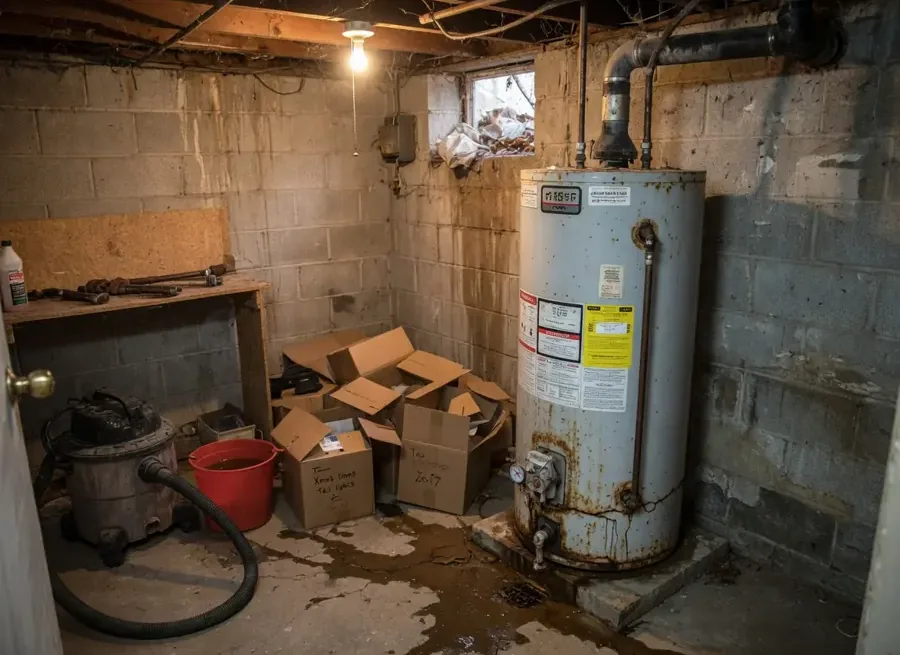
First steps for water heater leak cleanup
- Avoid wet equipment controls
Keep clear of electrical parts and hot discharge water. A safe shutdown requires appropriate access and an understanding of the heater's energy and water supplies.
- Describe the continuing release
Explain whether the leak drips, flows steadily or has stopped. Mention water at the tank base, nearby connections and any adjoining room that appears wet.
- Protect a clear access route
Remove light dry belongings only when safe. Leave heavy appliances and the heater in place until the assessment establishes equipment safety and removal needs.
- Save repair documentation
Keep the plumber's findings and photographs of the initial condition. Those records distinguish equipment failure from the materials affected by the released water.
How the team handles water heater leak cleanup
Rapid local response
The response team prioritizes source control, safe entry and the full path of wet materials. A visible puddle is only the starting point for the assessment.
IICRC S500 drying standard
The drying technician measures affected assemblies, sets a dry reference and adjusts air movement and dehumidification to the materials that remain.
Claim-ready documentation
The mitigation file records photographs, moisture readings, removal decisions and equipment use. The property owner checks policy questions with the insurer.
Local water experts
The restoration assessment separates the water source from the damage it leaves behind. Plumbing repairs, safe electrical access and material drying each receive attention.
What does water heater leak cleanup cost in Smithfield, NC?
Water heater leak mitigation commonly ranges from $700 to $2,500 for a contained utility area. Water spreading into adjoining rooms or damaging platforms can raise the scope to $2,500 to $5,500 or more. Heater replacement is separate.
Contained tank-area loss
$700 to $1,500
- Local water extraction
- Platform and wall measurements
- Targeted drying equipment
Adjoining room damage
$1,500 to $2,500
- Expanded floor-layer inspection
- Selective access around partitions
- Repeat moisture mapping
Concealed or extensive spread
$2,500 to $5,500+
- Damaged platform material removal
- Multiple retained drying assemblies
- Detailed plumbing and repair handoff
Compare the materials, water category and wet area with the cost planning calculator. An on-site assessment defines the work and any separate repairs.
The water heater leak cleanup process
- 1
Confirm a safe work area
The mitigation team verifies source-control status and access around the heater before operating extraction equipment beside the tank, energy connections and wet floor.
- 2
Trace the released water
Readings map the platform, wall bases and adjacent rooms so the inspection includes water that escaped beyond the visible front edge of the puddle.
- 3
Coordinate access and drying
The crew evaluates damaged panels and concealed pockets, then places equipment where safe airflow reaches the retained materials without blocking necessary plumbing work.
- 4
Record repair readiness
Repeat measurements document the drying endpoint and identify any remaining platform, wall or finish repairs before the completed heater area returns to normal use.
Water around a heater may come from the tank, a connection or another nearby source. A plumbing assessment identifies the failure while the mitigation technician follows the damage. The inspection at a West Smithfield property checks the actual heater location and surrounding construction instead of assuming every tank sits in the same type of room.
Safe isolation precedes cleanup beside the heater
A water heater combines water with an energy supply, and a leak can create electrical or hot-water hazards. The appropriate professional determines safe shutdown and repair. Occupants should not reach through standing water to operate switches or handle wet connections. The restoration crew needs a safe work area before extraction.
A leaking tank or discharge pipe can release water hot enough to cause injury. Avoid touching valves or electrical parts from a wet position. The response team checks source status and safe access before working around the tank, its platform and the adjoining floor.
Inspect the platform and adjoining rooms
A puddle can slip under a partition before it becomes obvious outside the heater area. Raised platforms and cabinet-like enclosures can hold moisture against absorbent panels. At a building along Brightleaf Boulevard, storage and appliances may limit access; the technician identifies those obstacles before establishing the drying layout.
- Measure the floor around the tank and at transitions into adjacent rooms or closets.
- Check the wall base behind the heater where a visible front puddle may conceal a larger wet area.
- Inspect absorbent platform surfaces and trim for swelling or loss of strength.
- Record any source repair and tank removal separately from water-damage mitigation.
Choose drying access around the replacement work
A new heater does not automatically dry the old platform or wall behind it. The crew coordinates access so wet materials receive attention before equipment blocks them again. Sound framing may remain for controlled drying; swollen composite panels or damaged finishes may need removal.
Market Street properties can contain compact utility spaces where dehumidification alone does not expose trapped water. A measured plan considers cavity openings and airflow paths while keeping operating clearances and safe access available. Repeat readings show whether the retained materials respond.
Separate a tank replacement from the water-loss scope
The plumbing proposal covers the heater repair or replacement. The mitigation scope explains extraction, material removal and drying, while reconstruction addresses any platform or finish repair. Keeping those records distinct helps the owner understand the complete job.
24/7 damage support gives an active tank-area leak a starting point even when the final equipment decision belongs to the plumbing professional. The first useful details are whether water still flows, whether energy is safely isolated and which adjoining areas show moisture.
Review flood safety precautions before entering a wet building and EPA indoor air quality information when planning cleanup.
Water Heater Leak Cleanup in Smithfield
Restoration support covers ZIP 27577, West Smithfield and the historic downtown district, including properties around Market Street and Brightleaf Boulevard. The assessment follows the wet rooms, floor layers and safe entry route at each home or business.
Related water damage services



Water Heater Leak Cleanup questions in Smithfield
Does water at the base mean the tank failed?
Not necessarily. A nearby connection or other source may be responsible. A plumbing assessment identifies the failure while restoration measurements determine the water-damage footprint around it.
Can the heater be replaced before drying?
The sequence depends on access and safety. The drying team should check hidden platform and wall materials so replacement equipment does not cover an unresolved wet area. The plumbing and mitigation scopes should coordinate.
Is hot water automatically sanitary?
Temperature alone does not decide the cleanup category after release. Contact with dirty surfaces, elapsed time and site conditions affect the assessment of the water and materials it touched.
Why check the room beside the heater?
Water can travel under partitions and floor finishes before becoming visible. Readings in the adjoining space help identify whether a seemingly contained utility-room puddle has a larger footprint.
Are equipment repairs part of mitigation pricing?
The scope should state that clearly. Heater repair or replacement is generally a separate plumbing item from extraction, damaged-material removal and structural drying. Reconstruction may also require its own price.
What should be reported during an urgent call?
Describe active flow, hot-water concerns, the tank location and whether nearby floors or walls are wet. 24/7 assessment also needs any electrical hazard or access restriction before work starts.
Dry the utility space before closing the repair
The restoration technician tracks moisture around the tank and adjoining assemblies, coordinating drying access with the separate equipment repair.