Frozen Pipe Water Damage in Smithfield, NC
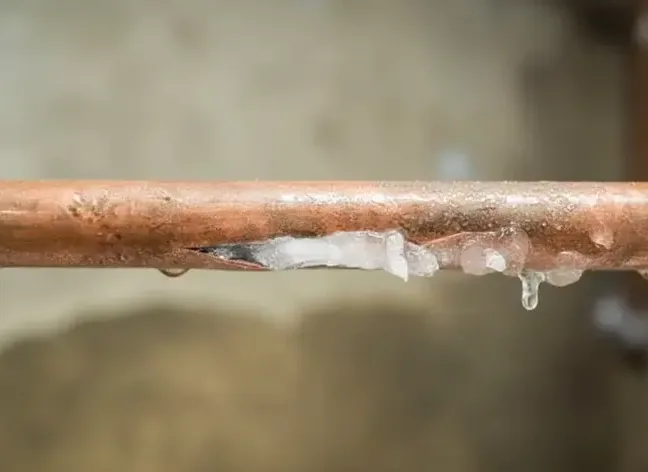
A thaw can expose a pipe split that ice temporarily blocked. Smithfield restoration technicians follow released water through walls and floors, coordinating damage assessment with source repair and checks for additional leakage.
(888) 578-4720Assess water released by the thaw- 24/7 thaw-loss support
- Concealed moisture checks
- Source and drying coordination
First steps for frozen pipe water damage
- Use a safe water shutoff
Close an accessible supply control if leakage is active and the route is dry. Avoid entering wet electrical areas to reach a valve or panel.
- Avoid improvised pipe heating
Do not apply a torch or open flame. A plumbing professional should assess the frozen section and safe restoration of flow while damage cleanup is planned.
- Describe the thaw sequence
Note loss of flow, changing temperatures and when water appeared. Those observations help identify additional plumbing sections that may need checking before normal pressure returns.
- Watch for new wet locations
Report fresh dripping or spreading stains after the first repair. The mitigation technician can update the moisture map instead of drying an area that receives more water.
How the team handles frozen pipe water damage
Rapid local response
The response team prioritizes source control, safe entry and the full path of wet materials. A visible puddle is only the starting point for the assessment.
IICRC S500 drying standard
The drying technician measures affected assemblies, sets a dry reference and adjusts air movement and dehumidification to the materials that remain.
Claim-ready documentation
The mitigation file records photographs, moisture readings, removal decisions and equipment use. The property owner checks policy questions with the insurer.
Local water experts
The restoration assessment separates the water source from the damage it leaves behind. Plumbing repairs, safe electrical access and material drying each receive attention.
What does frozen pipe water damage cost in Smithfield, NC?
Freeze-related water mitigation often ranges from $1,200 to $4,500 for a contained pipe loss. Multiple splits, wet insulation or water across several rooms can raise the scope to $4,500 to $9,500 or more. Plumbing repair is a separate item.
One contained thaw leak
$1,200 to $2,500
- Source-status and moisture survey
- Localized water extraction
- Targeted cavity and floor drying
Several affected assemblies
$2,500 to $4,500
- Wet insulation and access decisions
- Broader equipment arrangement
- Repeated checks for new moisture
Multiple or extensive releases
$4,500 to $9,500+
- Expanded water-damage removal
- Several coordinated drying zones
- Detailed repair and material records
Compare the materials, water category and wet area with the cost planning calculator. An on-site assessment defines the work and any separate repairs.
The frozen pipe water damage process
- 1
Coordinate source inspection
The response establishes safe entry and active leak status while the plumbing assessment checks the failed section and other exposed areas that may release water during thaw.
- 2
Map the released moisture
The technician follows water through insulation, partitions and floor transitions, recording a baseline that can reveal any new leakage after source repairs.
- 3
Adapt the drying environment
Extraction and selective access reduce the retained load while temperature, airflow and dehumidification are adjusted for the actual indoor conditions and materials.
- 4
Verify stable progress
Repeat readings track the original wet assemblies and any newly reported spots, supporting a completion record that separates source work from the finished drying scope.
A frozen pipe may stop delivering water before a leak becomes visible. When ice melts, a split can release supply water into an enclosed wall or below a fixture. Smithfield has cool winters; the assessment of a West Smithfield home still depends on the exposed plumbing and actual damage found at that property.
A thaw can change the loss after the first inspection
Restoring water pressure may reveal another damaged section. A plumber evaluates the system and source repair while the mitigation crew tracks released water. Occupants should report new dripping or wet spots instead of assuming the first repaired break was the only affected location.
- Note fixtures that lost flow and the location where water appeared as temperatures changed.
- Check adjoining walls and floors after source repair because thawing can reveal additional leakage.
- Keep a record of source repairs and new moisture observations through the initial assessment.
- Inspect inaccessible cavities with appropriate measurements and selective access rather than surface appearance alone.
Use safe thaw and shutoff decisions
Occupants should avoid improvised heat and electrical equipment around wet areas. A safely accessible water shutoff can limit continued discharge, while a plumbing professional evaluates the frozen or damaged section. Keep clear of wet outlets and sagging finishes until the response team establishes safe entry.
The cleanup scope does not require occupants to open a wall or crawl into an unsafe space to find the split. A description of lost flow, visible water and accessible shutoffs helps the source professional and restoration team establish their separate priorities.
Cold rooms can complicate material drying
Evaporation depends on the indoor environment and access to wet materials. The technician evaluates temperature, humidity and the condition of affected assemblies before selecting equipment. A building near Market Street may include unconditioned storage adjoining an occupied room; those spaces can need different drying arrangements.
Water can travel beneath a partition and collect at a floor transition before anyone sees it. Along Brightleaf Boulevard, the moisture survey follows those connections in residential or business rooms. Wet insulation and sealed floor layers may require access beyond the plumbing repair opening.
Finish with source confidence and measured materials
The mitigation record distinguishes plumbing repairs from extraction, selective removal and drying. Daily measurements show whether the original wet locations are improving and whether new water has changed the map. The final handoff identifies remaining finishes and any further source checks needed.
24/7 thaw-loss support treats active discharge as urgent. The repair and drying sequence should account for both the water already released and the possibility of another leak appearing as frozen sections warm.
Review flood safety precautions before entering a wet building and EPA indoor air quality information when planning cleanup.
Frozen Pipe Water Damage in Smithfield
Restoration support covers ZIP 27577, West Smithfield and the historic downtown district, including properties around Market Street and Brightleaf Boulevard. The assessment follows the wet rooms, floor layers and safe entry route at each home or business.
Related water damage services



Frozen Pipe Water Damage questions in Smithfield
Why does a pipe start leaking only after it thaws?
Ice can temporarily block a split. As it melts and pressure returns, water may escape through the damaged section. A plumbing assessment should check the system while the restoration team maps the resulting damage.
Should a torch be used on the frozen pipe?
No. Open-flame thawing creates serious hazards. Avoid improvised heating and arrange an appropriate plumbing assessment, particularly where the pipe sits inside a wall or near combustible materials.
Can more than one section be damaged?
Yes. Another leak can appear as additional frozen areas thaw. Report new moisture promptly so source inspection and the mitigation map stay aligned with the actual condition.
Why are readings repeated after the repair?
They show whether wet materials are drying and whether new leakage is affecting the area. A surface that looks unchanged may conceal either retained water or a renewed source.
Does cold weather change equipment selection?
Indoor temperature and humidity affect evaporation and equipment performance. The technician adjusts the drying environment and access to the materials instead of relying on a fixed equipment count.
Is every exterior-wall pipe assumed to be frozen?
No. The source professional evaluates the actual failure. Restoration work follows the released water and affected materials without assigning a freeze cause solely from the pipe's location.
Address new leakage and the moisture already released
The mitigation team coordinates source status with repeat material readings, adapting the dry-out when thawing changes the water-damage footprint.