Storm Flood Cleanup in Smithfield, NC
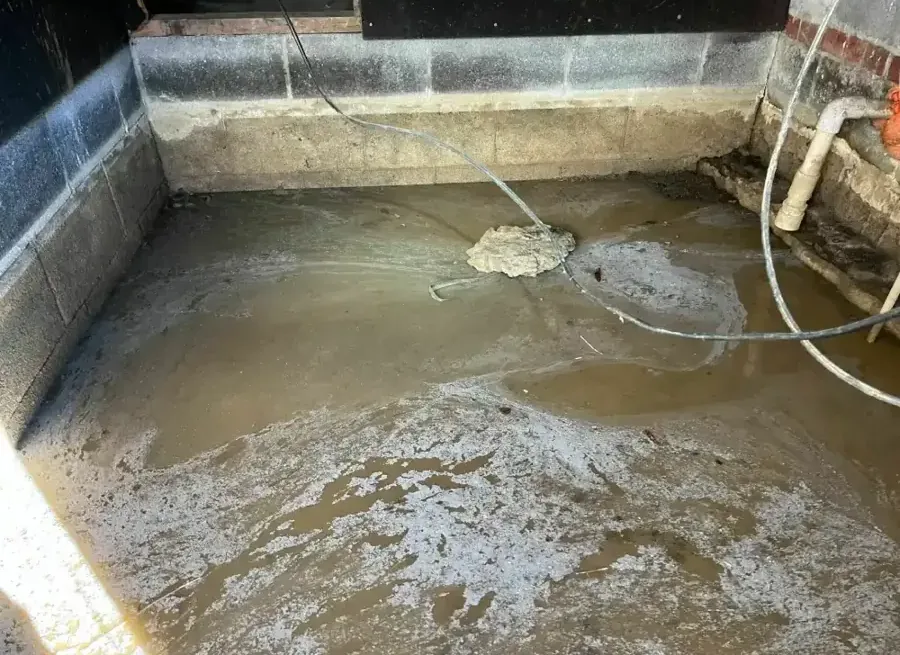
Smithfield storm flood cleanup treats outside water as contaminated. The response team checks safe entry, removes dirty water and damaged absorbent materials, then cleans and dries the remaining structure with documented readings.
(888) 578-4720Assess outside water indoors- Category 3 precautions
- Controlled material removal
- 24/7 flood assessment

First steps for storm flood cleanup
- Wait for safe access
Do not cross outside or indoor floodwater to enter a building. Electrical, structural and contamination conditions require assessment before cleanup or contents retrieval begins.
- Keep the affected space closed
Limit movement into wet rooms and keep children and pets away. Footwear and moved belongings can carry residue into otherwise dry areas.
- Record from a safe position
Photograph visible water marks, entry points and damaged belongings without stepping into the loss. Initial records help explain the flood path before removal starts.
- Report the outside source
Describe runoff, doorway entry or rising water as observed. The response team needs that distinction to plan protective controls and suitable extraction methods.
How the team handles storm flood cleanup
Rapid local response
The response team prioritizes source control, safe entry and the full path of wet materials. A visible puddle is only the starting point for the assessment.
IICRC S500 drying standard
The drying technician measures affected assemblies, sets a dry reference and adjusts air movement and dehumidification to the materials that remain.
Claim-ready documentation
The mitigation file records photographs, moisture readings, removal decisions and equipment use. The property owner checks policy questions with the insurer.
Local water experts
The restoration assessment separates the water source from the damage it leaves behind. Plumbing repairs, safe electrical access and material drying each receive attention.
What does storm flood cleanup cost in Smithfield, NC?
Storm flood mitigation often ranges from $2,500 to $7,500 for a limited affected area. Several rooms, heavy contamination or extensive porous material removal can raise the scope to $7,500 to $15,000 or more, before rebuilding.
Limited flood entry
$2,500 to $4,500
- Protected dirty-water extraction
- Localized porous material removal
- Cleaning and initial drying
Multiple affected rooms
$4,500 to $7,500
- Expanded contamination controls
- Wall and flooring removal scope
- Several material drying zones
Extensive indoor flooding
$7,500 to $15,000+
- Larger debris and material handling
- Detailed cleaning and moisture records
- Longer equipment and access needs
Compare the materials, water category and wet area with the cost planning calculator. An on-site assessment defines the work and any separate repairs.
The storm flood cleanup process
- 1
Establish the work zone
The cleanup crew evaluates entry conditions, utilities and contamination, then separates the affected building area from occupants and dry contents before extraction.
- 2
Extract and remove
Dirty water comes out through controlled removal methods, followed by affected porous materials and debris that cannot remain in the drying scope.
- 3
Clean the retained surfaces
The team removes soil from accessible structural surfaces and applies suitable disinfectant treatments at the required contact time before introducing final drying airflow.
- 4
Measure structural recovery
Dehumidification and air movement dry the remaining materials while moisture records document progress and the conditions needed for the reconstruction handoff.
Outside water brings sediment and other contaminants through a doorway, wall opening or low entry point. A building near the Neuse River requires an assessment of the actual water path and safe access. The response team does not treat a clear-looking puddle as sanitary because its surface looks clean.
Entry safety comes before indoor recovery
Electrical equipment, unstable finishes and hidden debris can make a flooded room unsafe. The crew coordinates entry precautions and evaluates whether water continues entering. Occupants should avoid crossing floodwater to rescue belongings or reach a shutoff. Conditions outside the property can also affect the safe route to the work area.
Children and pets should remain outside the affected area. Avoid household fans that spread droplets or disturbed residue before the contamination assessment. The cleanup team uses appropriate protective equipment, controls movement between wet and dry rooms and establishes a suitable removal method before starting the work.
Remove contaminated layers before drying the structure
The technician identifies porous materials touched by floodwater and records the removal boundary. Carpet padding, damaged drywall and contaminated insulation may need removal rather than an attempt to dry them in place. Solid surfaces need cleaning to remove soil before a suitable disinfectant treatment.
- Photograph the original water marks and affected materials before removal changes the building.
- Separate contaminated contents from salvageable items and keep their handling routes controlled.
- Inspect cavities above the visible water mark for wicking into insulation and wallboard.
- Clean accessible structural surfaces before applying a product according to its label and contact time.
Map the loss room by room
West Smithfield lies across the river from downtown, while Market Street crosses the town center. Those locations help identify the property, but the building's entry point and materials determine the work. Water can collect under cabinetry, behind partitions and beneath floor coverings far from the first doorway.
A moisture map keeps the retained structure and removal areas distinct. Once cleaning is complete, the drying team controls air movement and dehumidification around sound materials. Repeat readings show whether framing and floor layers are responding or whether more access is needed.
Document the source for the insurance conversation
Outside flooding and a sudden indoor plumbing discharge involve different policy considerations. The owner reports the source accurately and checks coverage with the insurer. The restoration file supplies water-path photographs, removal decisions, cleaning records and drying measurements.
24/7 flood damage support addresses the urgent indoor loss without promising that a particular policy pays for it. The final record also identifies remaining reconstruction and any source or drainage repairs outside the mitigation scope.
Review flood safety precautions before entering a wet building and EPA indoor air quality information when planning cleanup.
Storm Flood Cleanup in Smithfield
Restoration support covers ZIP 27577, West Smithfield and the historic downtown district, including properties around Market Street and Brightleaf Boulevard. The assessment follows the wet rooms, floor layers and safe entry route at each home or business.
Related water damage services


Storm Flood Cleanup questions in Smithfield
Is storm runoff always treated as clean rainwater?
No. Outside water can collect soil, waste and other contaminants before entering. The cleanup assessment treats floodwater differently from a sanitary indoor supply discharge, even when the puddle looks clear.
Can contaminated carpet simply be dried?
Flood-affected porous materials require a removal assessment. Drying does not remove contamination from padding or other absorbent layers. The crew documents what can remain and what must leave the work area.
Why clean before final drying airflow?
Air movement can distribute droplets and residue if the work area is still dirty. Controlled extraction, removal and cleaning establish the conditions for drying the retained structure safely.
Does living near the river determine the scope?
The actual source, entry route and affected materials determine the job. A location near the Neuse River is useful for access planning but does not replace inspection of the property.
Will homeowners insurance cover the flood?
The insurer applies the policy to the source and circumstances. Outside flooding often involves different coverage from indoor plumbing discharge. The owner should ask the insurer directly and preserve accurate source records.
What remains after mitigation?
The completed scope may leave openings or removed finishes that need reconstruction. The drying record identifies retained materials, measurements and remaining repair needs so rebuilding can proceed from a clear condition assessment.
Move from contaminated water to a clean dry structure
The cleanup team controls removal, cleans retained surfaces and documents material drying. 24/7 assessment prioritizes safe entry and the active flood path.