Toilet Overflow Cleanup in Smithfield, NC
A toilet overflow requires a source and contamination check before cleanup. Smithfield restoration technicians contain affected water, inspect bathroom floor layers and follow the moisture into adjoining walls or rooms.
(888) 578-4720Assess the bathroom overflow- Source-specific precautions
- Contaminated material checks
- 24/7 bathroom-loss support
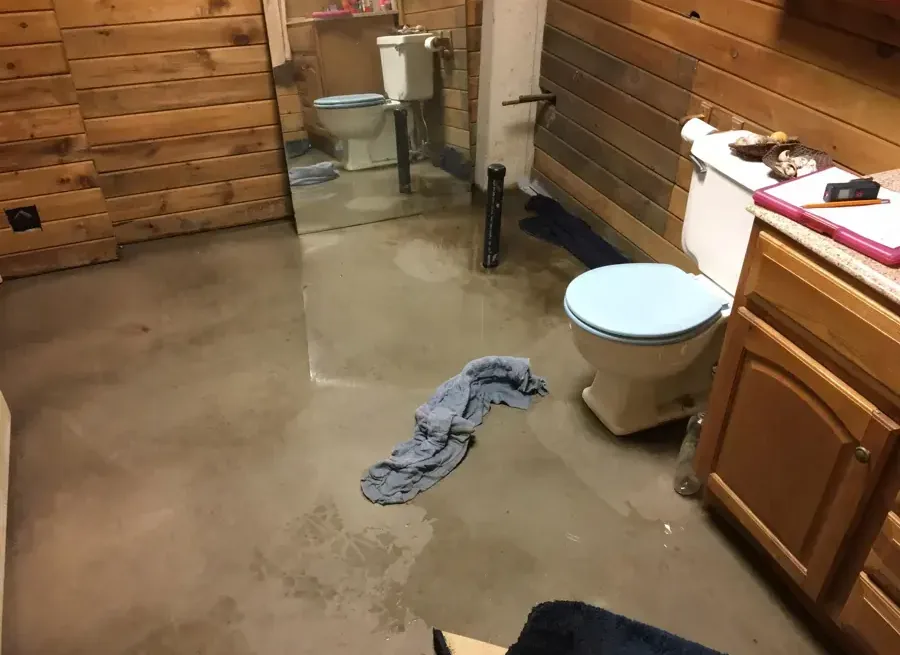
First steps for toilet overflow cleanup
- Stop using the fixture
Avoid another flush when the cause is unresolved. If a safe fixture shutoff controls continued filling, close it without stepping into water near electrical hazards.
- Keep the room restricted
Prevent children, pets and unnecessary foot traffic from entering. Treat waste-containing bowl water as contaminated and avoid moving wet rugs through dry living spaces.
- Identify other affected drains
Report whether another fixture backs up or drains slowly. That information helps the plumbing assessment distinguish an isolated fixture problem from a wider drainage issue.
- Describe the floor and nearby rooms
Mention tile, wood or carpet outside the bathroom and any ceiling stain below. The mitigation inspection follows water across those material and room boundaries.
How the team handles toilet overflow cleanup
Rapid local response
The response team prioritizes source control, safe entry and the full path of wet materials. A visible puddle is only the starting point for the assessment.
IICRC S500 drying standard
The drying technician measures affected assemblies, sets a dry reference and adjusts air movement and dehumidification to the materials that remain.
Claim-ready documentation
The mitigation file records photographs, moisture readings, removal decisions and equipment use. The property owner checks policy questions with the insurer.
Local water experts
The restoration assessment separates the water source from the damage it leaves behind. Plumbing repairs, safe electrical access and material drying each receive attention.
What does toilet overflow cleanup cost in Smithfield, NC?
Toilet overflow mitigation often ranges from $800 to $2,500 for a limited bathroom loss. Waste contamination, wet subflooring or spread to adjoining rooms can increase the scope to $2,500 to $6,000 or more. Plumbing repairs are separate.
Contained bathroom spill
$800 to $1,500
- Source and contamination assessment
- Controlled extraction and cleaning
- Localized material measurements
Subfloor or adjoining damage
$1,500 to $2,500
- Concealed moisture access
- Absorbent material decisions
- Targeted structural drying
Contaminated connected rooms
$2,500 to $6,000+
- Expanded containment and removal
- Cleaning before larger drying setup
- Detailed source and condition records
Compare the materials, water category and wet area with the cost planning calculator. An on-site assessment defines the work and any separate repairs.
The toilet overflow cleanup process
- 1
Classify and contain
The cleanup technician identifies the discharge and contamination concerns, then establishes the work area and protective approach before extracting water or moving affected contents.
- 2
Inspect the hidden boundary
Measurements and selective access check subflooring, wall bases, thresholds and any lower room reached by water passing through the bathroom assembly.
- 3
Remove and clean
The team removes affected porous materials where required, cleans retained surfaces and applies suitable disinfectant treatment with the specified contact time before final airflow.
- 4
Dry and reassess
The retained structure receives controlled dehumidification and air movement while repeat readings, sanitation checks and source status inform the room's repair handoff.
A leaking supply connection and an overflowing toilet bowl leave different cleanup problems. Bowl water containing waste requires Category 3 precautions. The assessment establishes the source, then traces the spill beneath trim and through flooring seams. A bathroom in West Smithfield needs that same distinction even when the water volume looks modest.
Stop repeated flushing and protect adjoining rooms
Another flush can enlarge an unresolved overflow. Occupants should stop using the affected fixture and keep people and pets out of contaminated water. A plumbing professional addresses the blockage or failed component while the mitigation crew assesses the water already released.
Avoid carrying soaked rugs or wet cleaning tools through the home. Do not direct a household fan across an unassessed contaminated spill. The cleanup team establishes protective controls, identifies absorbent materials that cannot remain and plans a removal route before drying equipment changes the airflow.
Tile can conceal water beneath the bathroom
A tile surface does not make the floor assembly waterproof. Water can enter perimeter gaps, fixture openings and joints, reaching wood below. The technician checks the room beneath an upper bathroom where applicable, plus adjacent closets and wall bases. At a Market Street building, those connected spaces may include a separate work or storage area.
- Inspect the baseboard and door threshold where overflow can leave the bathroom unnoticed.
- Assess bath mats, carpet and other absorbent items for contamination before moving them.
- Measure accessible subfloor and wall materials rather than relying on the appearance of the tile.
- Document the source condition and wet boundary before fixture repair or material removal changes them.
Cleaning and removal come before a finished dry-out
The restoration team removes contaminated porous materials where necessary, then cleans accessible surfaces. A suitable EPA-registered antimicrobial requires the labeled contact time and does not replace soil removal. The retained structure can then receive controlled airflow and dehumidification.
Properties along Brightleaf Boulevard may have restrooms beside storage, offices or other rooms. The inspection follows the actual spill path across those boundaries. Containment and access planning keep the work area distinct from safe circulation while the cleanup proceeds.
Reopen the room from condition checks
The completion assessment addresses sanitation, source repair and material moisture. Reinstalling trim over a wet wall base or placing a rug over damp subflooring can conceal unfinished work. 24/7 bathroom-loss support begins with stopping repeated discharge and identifying the safe work boundary, followed by a clear record of cleaning and drying.
Review flood safety precautions before entering a wet building and EPA indoor air quality information when planning cleanup.
Toilet Overflow Cleanup in Smithfield
Restoration support covers ZIP 27577, West Smithfield and the historic downtown district, including properties around Market Street and Brightleaf Boulevard. The assessment follows the wet rooms, floor layers and safe entry route at each home or business.
Related water damage services



Toilet Overflow Cleanup questions in Smithfield
Is every toilet leak Category 3?
A sanitary supply connection leak differs from bowl water containing waste. The technician establishes what escaped and what it contacted. Waste-contaminated overflow requires Category 3 cleanup precautions.
Can another flush clear the problem?
Repeated flushing can add water to an unresolved blockage. Stop using the fixture and arrange a plumbing assessment. The mitigation scope addresses the water and contamination already outside the toilet.
Does a tile floor prevent hidden damage?
No. Water can enter at the perimeter, joints and fixture openings. The technician checks accessible subflooring and adjacent walls because the visible tile surface can look dry while lower layers stay wet.
Should bathroom rugs be carried outside?
Contaminated wet items can spread residue along the route. Keep the area restricted until the cleanup team identifies suitable handling and removal methods for affected contents.
Why is disinfection not the first step?
Soil and damaged porous material need appropriate removal first. Disinfectant works according to its label on suitable prepared surfaces; it does not replace cleaning or make saturated absorbent material automatically salvageable.
What allows the bathroom to reopen?
The source must be addressed and sanitation, electrical safety and material condition assessed. Drying records identify retained moisture and any repairs still required before normal use resumes.
Restore a clean and dry bathroom assembly
The response team contains the overflow, addresses contaminated materials and measures the retained structure before the repair handoff.