Wendell Water Damage Restoration
A soaked room needs a clear starting point. Cleanup begins with the source, the safe route into the building and the materials holding water, followed by removal and a measured drying plan.
(888) 578-4720Discuss a soaked room- Water removal
- Material checks
- Clear scope
Damage beneath a finished surface can extend beyond the visible puddle, making early inspection especially useful.
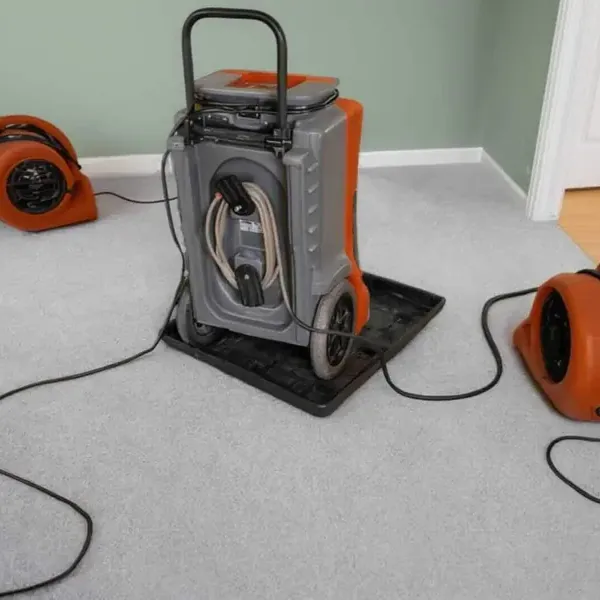
- 24/7 water responseSource control comes first
- IICRC S500A measured drying endpoint
- Water extractionRemove liquid before evaporation
- Moisture recordsTrack the materials below the finish
Cleanup matched to the water source
A leaking tank, a backed up fixture and rain entering overhead need different handling. These services explain the damaged materials, access needs and decisions that shape each cleanup.

Water Extraction
Pooled water can cross several rooms before anyone notices. Extraction removes the accessible liquid while moisture checks locate edges concealed under furniture and trim.
Water Extraction
Burst Pipe Water Damage
A split supply pipe may soak a wall from inside. Cleanup follows that escape route through insulation, baseboards and adjacent flooring after isolation.
Burst Pipe Water Damage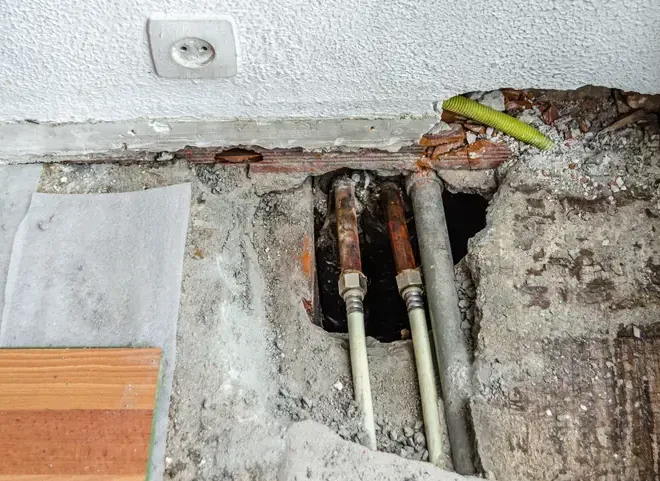
Slab Leak Water Damage
Damp flooring above concrete calls for both pipe diagnosis and moisture mapping. Selective access helps separate the plumbing repair from recovery of wet finishes.
Slab Leak Water Damage
Ceiling Leak Water Damage
A spreading ceiling mark needs attention above and below. Overhead inspection identifies saturated material before decisions about opening, drying and repairing the affected room.
Ceiling Leak Water Damage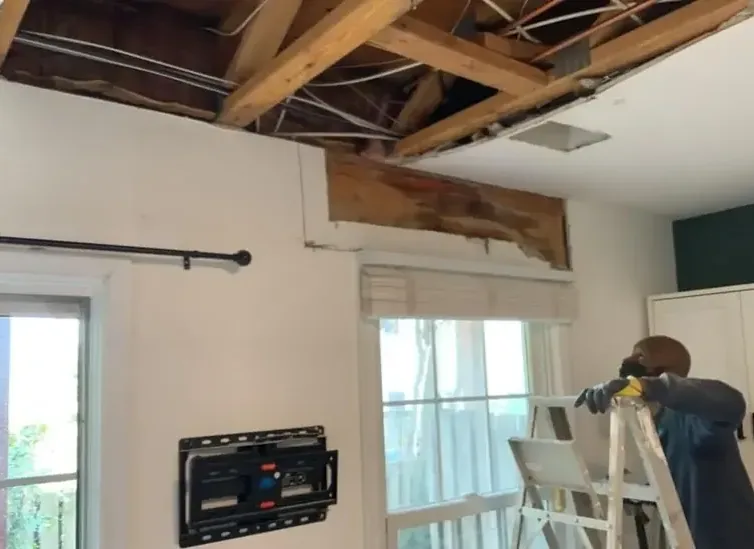
Roof Leak Water Damage
Rain entering the roof can travel before appearing indoors. The dry out follows wet attic materials and ceiling cavities once the entry is controlled.
Roof Leak Water Damage
Storm Flood Cleanup
Water entering from outdoors can carry dirt into absorbent finishes. Flood cleanup separates salvageable belongings from materials needing removal and prepares accessible surfaces for drying.
Storm Flood Cleanup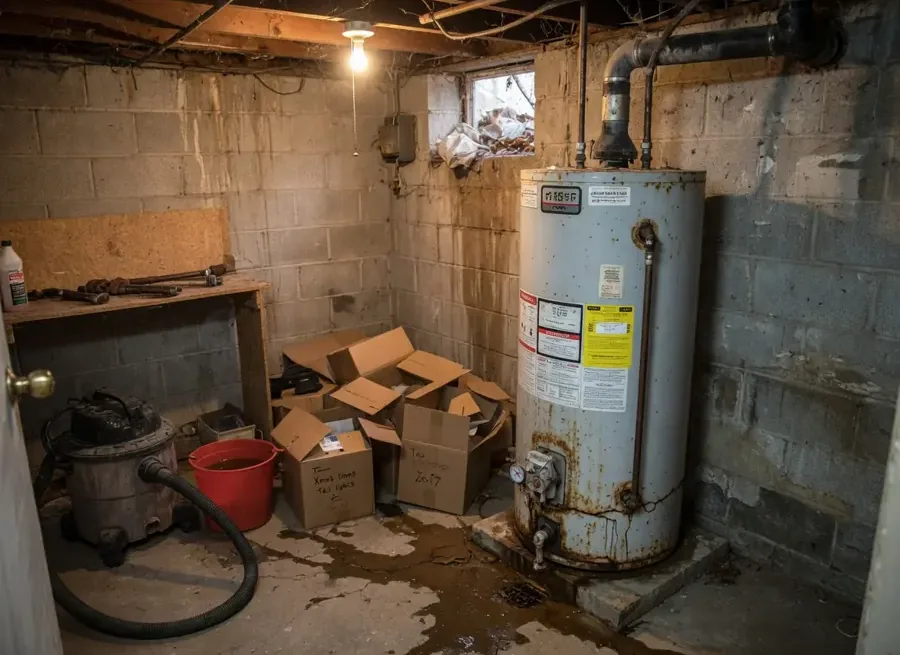
Water Heater Leak Cleanup
Water around a tank may continue behind adjoining walls. Heater leak cleanup checks the enclosure, nearby floor layers and any rooms reached by the release.
Water Heater Leak Cleanup
Appliance Leak Water Damage
A dishwasher or washer can wet spaces hidden beneath cabinets. Appliance cleanup targets the discharge path and checks the supporting floor after extraction.
Appliance Leak Water Damage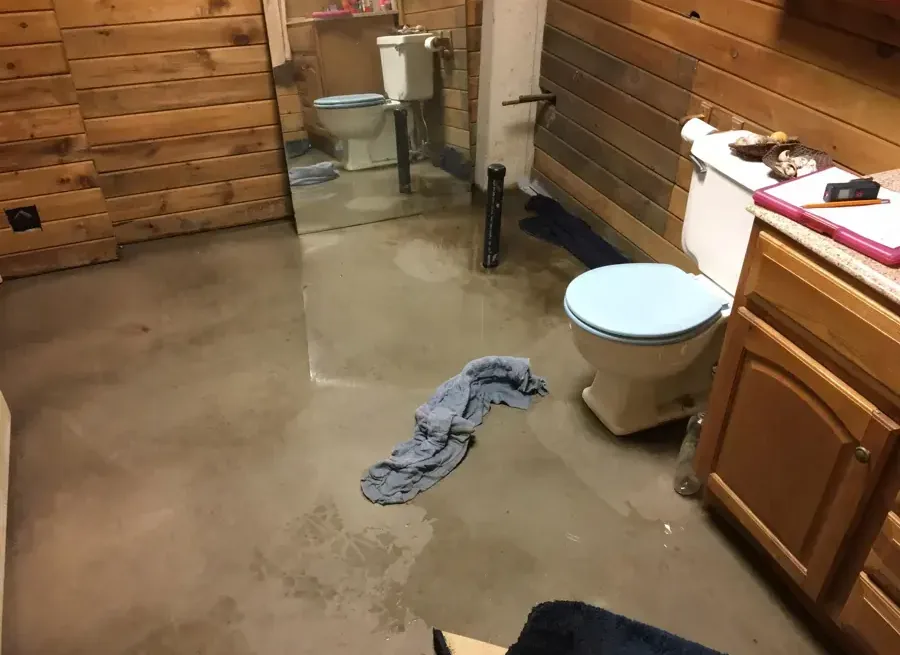
Toilet Overflow Cleanup
Overflow cleanup contains bathroom water and protects nearby occupied rooms. The scope depends on what escaped, which surfaces it contacted and the depth of absorption.
Toilet Overflow Cleanup
Sewage Backup Cleanup
Wastewater needs controlled access and careful removal. Cleanup addresses contacted finishes and contents while the drain investigation establishes how to prevent another indoor release.
Sewage Backup Cleanup
Hardwood Floor Water Damage
Wet boards can hold moisture underneath a dry looking face. Floor assessment compares surface changes with readings before choosing drying, selective removal or later repairs.
Hardwood Floor Water Damage
Structural Drying
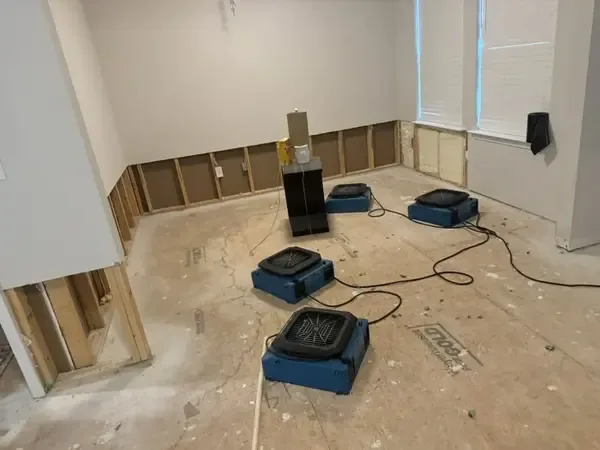
Equipment placement follows the wet materials inside the building. Recorded readings show whether framing, wall cavities and floor assemblies are moving toward their drying targets.
Structural Drying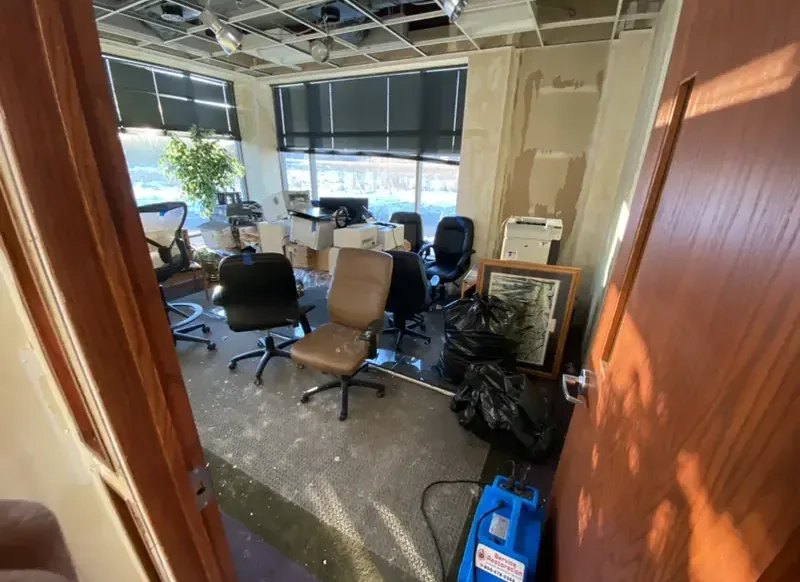
Commercial Water Damage
A wet business needs a practical work boundary. Commercial cleanup considers occupied areas, sensitive inventory and safe access while organizing removal and drying by zone.
Commercial Water Damage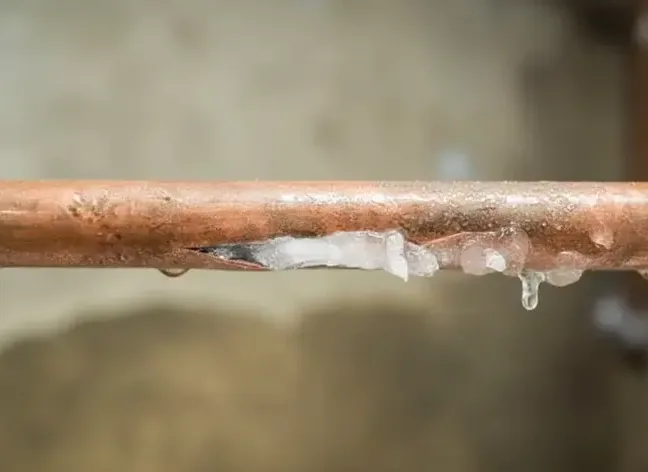
Frozen Pipe Water Damage
A thaw can reveal a split that was previously hidden. Cleanup tracks each release into surrounding finishes after the damaged plumbing has been secured.
Frozen Pipe Water Damage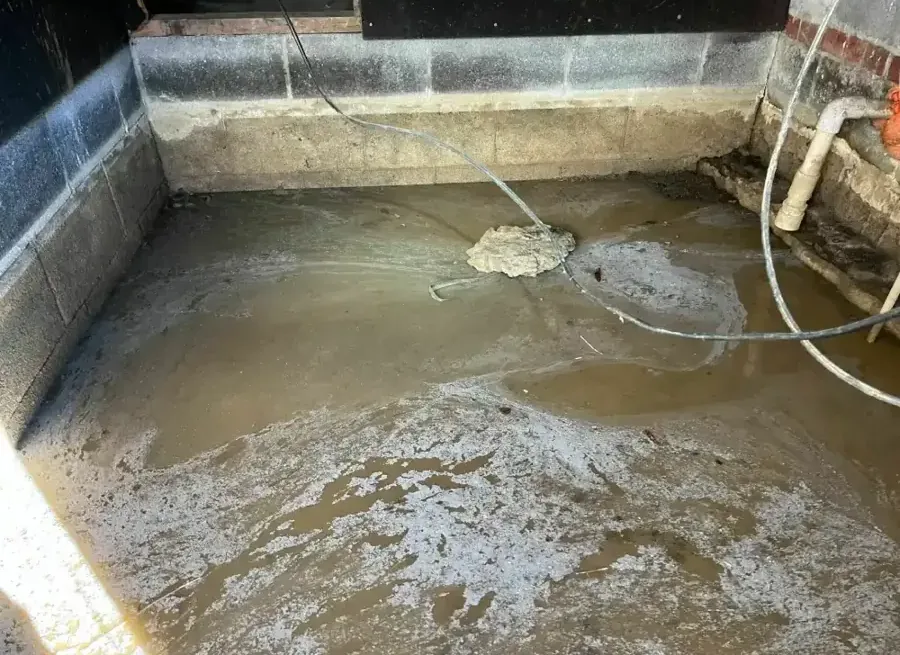
Crawl Space Water Removal
Water beneath a home can soak insulation and floor framing. Underfloor cleanup starts with safe access, source control and removal suited to the confined area.
Crawl Space Water RemovalMake the affected space easier to assess
- Keep a dry approach
Standing water near electrical equipment needs professional safety assessment. Occupants should remain outside that area and avoid touching wet switches, outlets or appliances.
- Identify the continuing source
A safely accessible fixture shutoff may limit a plumbing release. Roof entry, outdoor flooding and drain backups need the appropriate source professional before normal use resumes.
- Preserve the visible story
Photographs from a safe doorway can show water levels, affected possessions and the apparent starting point. The time the problem was discovered also helps.
- Separate unaffected belongings
Dry possessions can remain outside the cleanup zone. Moving contaminated items through occupied rooms can spread residue and increase the area needing attention.
- Describe hidden access concerns
A crowded closet, ceiling hatch or locked tenant room affects inspection. Mentioning those restrictions early helps organize access to the suspected wet materials.
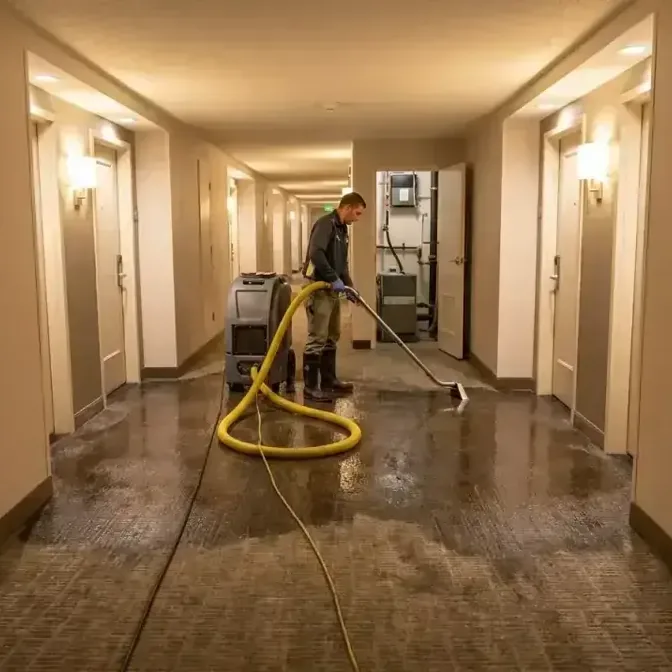
Know what needs attention and why
A useful assessment connects visible damage with measured moisture. It explains which materials can remain, what needs access and how the drying decision will be checked as work progresses.
Defined boundaries
The work area follows actual moisture and contamination findings, including connected spaces that look untouched but share a wet wall or floor assembly.
Specific equipment
Removal and drying tools suit the available access, the water depth and the material being treated. Equipment choices can change as conditions improve.
Documented decisions
Notes distinguish water removal, selective opening and finish repair so property owners can understand the reason for each part of the proposed scope.
Measured completion
Dry looking paint alone does not finish a project. Material readings and a final assessment establish whether concealed areas still need further drying work.
A sequence with visible checkpoints
Water cleanup moves through linked tasks rather than a single equipment visit. Source control, removal and drying each have a purpose, with findings recorded before the next decision is made.
- Inspect affected assemblies
- Remove accessible water
- Verify material progress
- Establish the path
Inspection follows the water from its apparent origin into floor edges, wall cavities and rooms that share the affected building assembly.
- Address wet contents
Furniture and possessions are evaluated for contact, stability and cleaning needs before they are moved through dry sections of the building.
- Control the environment
Drying equipment manages moisture released from the structure. Placement accounts for enclosed spaces, electrical capacity and safe passage around the work.
- Assess the results
Followup readings are compared with the initial map and suitable dry references before equipment removal and the separate repair phase begin.
What can water cleanup cost in Wendell?
Water damage cleanup in Wendell has planning ranges from $900 to $10,000+. The final amount reflects the actual wet area, water condition, access and drying work. An inspection separates urgent mitigation from later replacement of finishes.
Small affected area
$900 to $3,000
- Accessible water around a fixture
- Limited finishes needing material checks
- Targeted equipment serving one area
Several connected rooms
$3,000 to $7,000
- Wet surfaces beyond the source
- Additional access behind affected trim
- Drying across connected interior spaces
Extensive building damage
$7,000 to $10,000+
- Complex access to concealed moisture
- Larger quantities of affected material
- More involved cleaning and monitoring
These amounts support initial planning. The written scope should identify the affected materials and explain exclusions such as plumbing work, roof repairs or replacement finishes before work proceeds.
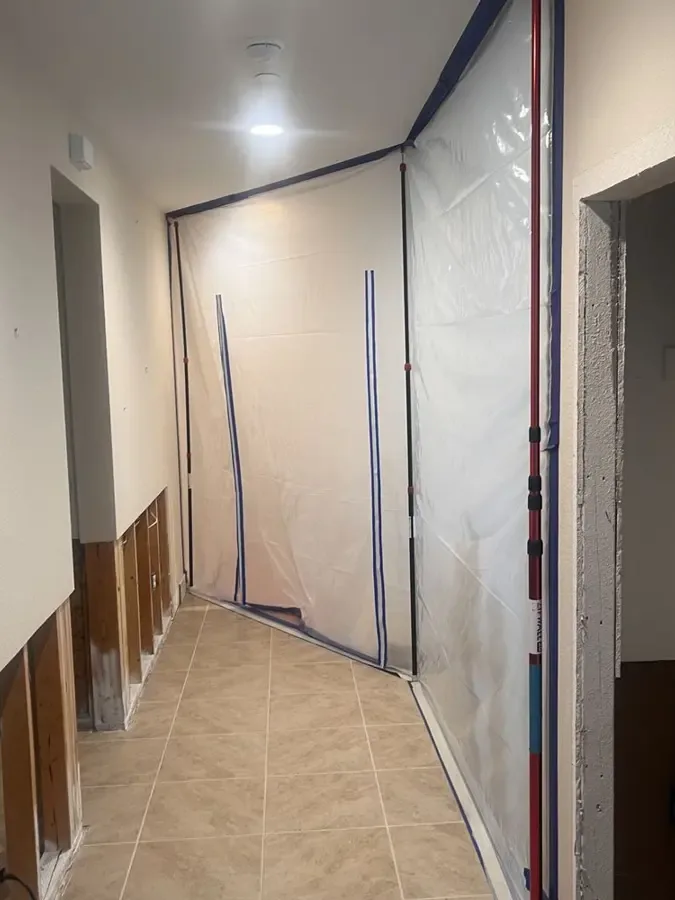
Equipment, access and affected room finishes
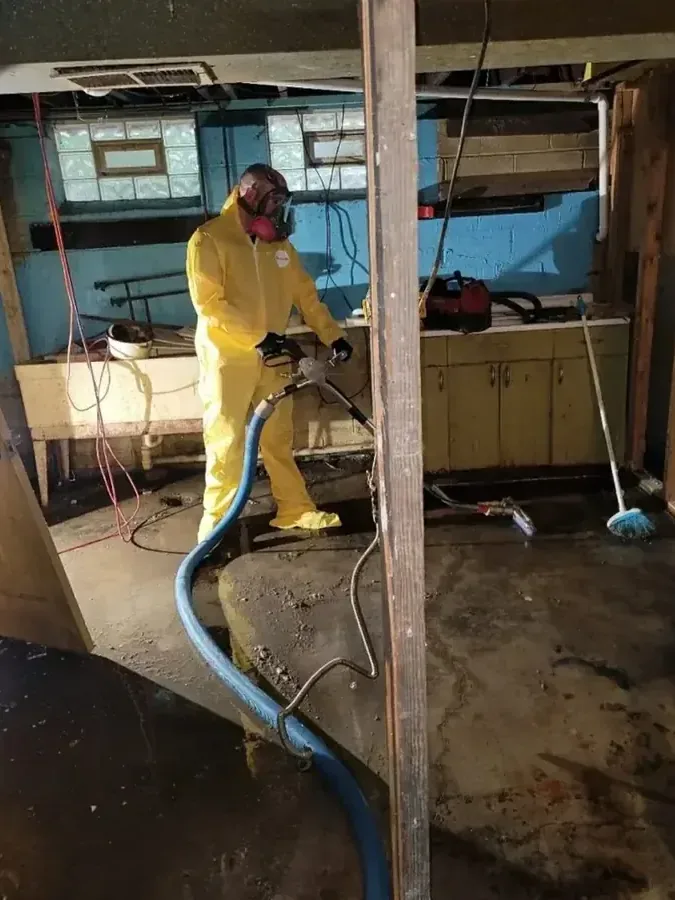
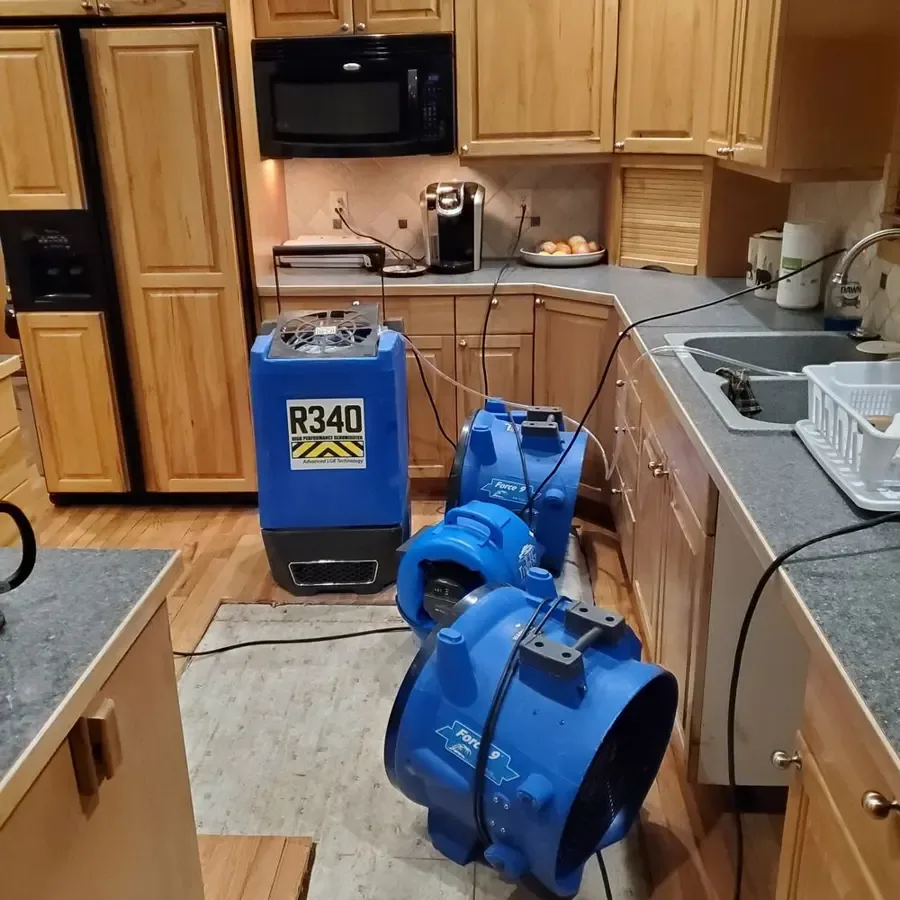
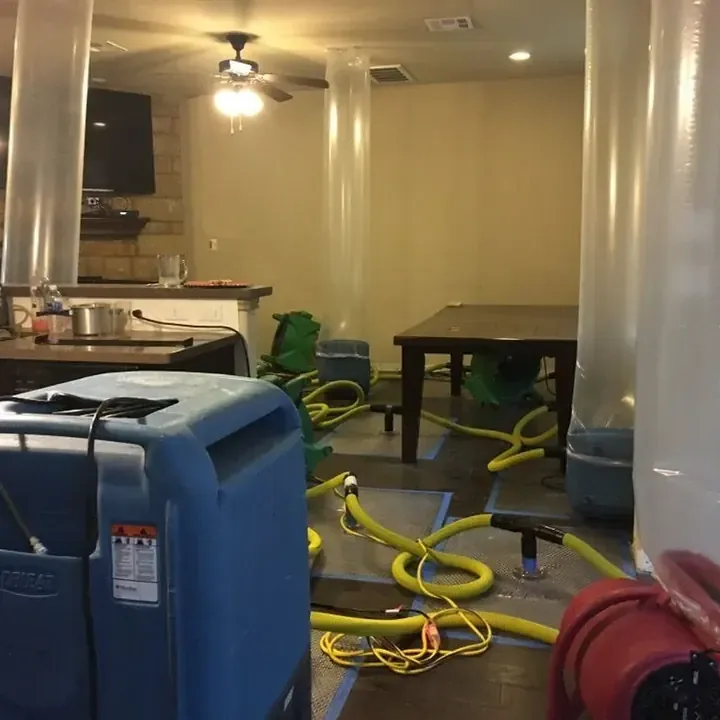
The source matters as much as depth
Supply water escape
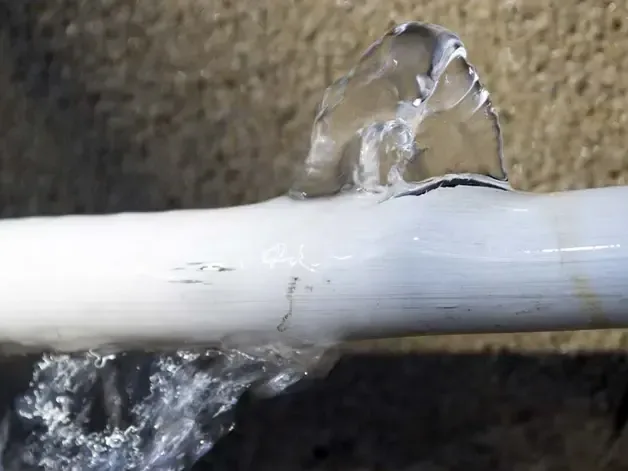
A broken pressurized pipe can send water into enclosed finishes. The duration and materials contacted help determine cleaning needs after the supply has stopped.
Trace a pipe releaseAppliance discharge
Water leaving a machine may include detergent or residue. Identifying the failed connection and the discharge route helps shape removal beneath cabinets and flooring.
Inspect appliance water pathsWastewater intrusion
A drain backup requires separation from occupied spaces. Porous materials and personal belongings need assessment for wastewater contact before drying equipment circulates air.
Understand backup cleanupDocumentation for the claim conversation
Coverage decisions belong to the insurer. Clear photographs, source repair records and itemized mitigation notes help explain the loss and support questions about the policy.
- Record when the wet area was discovered
- Photograph damage without entering an unsafe room
- Keep receipts for emergency source control work
- List affected belongings with their observed condition
- Save moisture records and the written scope
Paying without a claim
A property owner paying directly can request a scope arranged by immediate needs. Stopping the source and removing damaging water usually come before cosmetic choices.
The estimate should distinguish approved cleanup from possible additional work discovered after access. A clear change process helps prevent confusion when hidden wet materials are uncovered.
Wendell properties and access
Roads and local settings
- Wendell Falls Parkway
- Wendell Boulevard
- US 64 Business
- I-87
Local ZIP
27591
See additional service areasDescribe the building before the visit
The assessment starts with the affected property, whether it is a residence or business. Entry restrictions, stairs and enclosed wet areas help determine what access is needed.
A useful call includes the water source if known, rooms showing damage and any safety concern. Those details are more useful than estimating the problem from a puddle alone.
(888) 578-4720Share the property conditionsPlan before you call
Nearby service areas
Water damage questions explained
Read the water damage articles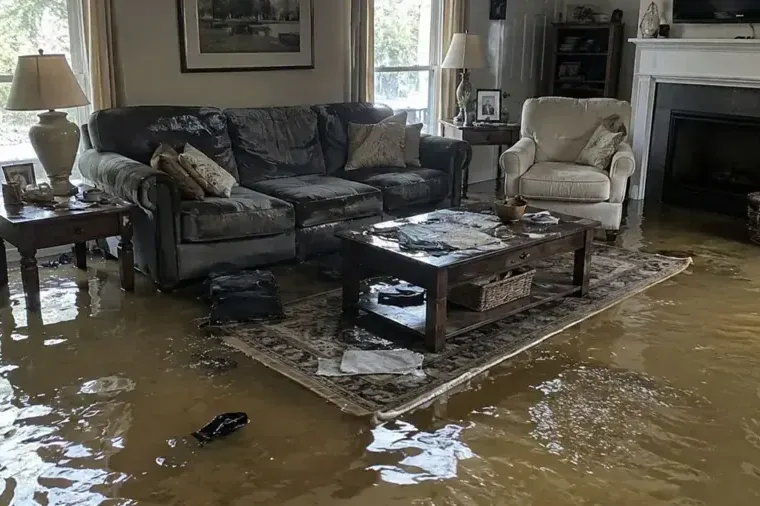
Seasonal rain and varied interior materials
Wendell combines established buildings and developing residential settings. Hot, humid summers and wetter July and August make control of indoor moisture an important part of a practical cleanup plan.
2010 housing context: Among the town's housing units counted in 2010, 40% were built before 1980, making careful inspection of existing finish layers useful.
- Historic interiors: Wendell Boulevard Historic District includes buildings where inspection separates removable finishes from materials worth protecting during access and drying.
- Growing residential settings: Wendell Falls adds another residential setting to the community. Every loss still requires a room level inspection of its own fixtures, materials and water path.
- Humid weather: Warm summer air can carry substantial moisture. Opening windows during drying may work against equipment when outdoor conditions are wetter than the controlled indoor environment.
- Business premises: Commercial growth along the town's principal roads brings different interior layouts. Stockrooms, work areas and occupied spaces may need separate cleanup boundaries and access arrangements.
- Below finished surfaces: Any affected property can hide moisture behind trim or beneath flooring. The visible edge of a stain is a starting point for inspection, not a drying endpoint.
Questions after finding water
What information helps during the first conversation?
The room where water appeared, whether it is still entering and any electrical concern are useful starting details. A description of wet ceilings, flooring or adjoining rooms helps explain how far the problem may extend.
Does a small puddle mean a small cleanup?
Sometimes, but the water may already have moved beneath a cabinet or floor covering. Inspection checks adjacent materials and accessible cavities so the proposed work reflects absorbed moisture as well as liquid visible on the surface.
Should wet belongings be moved immediately?
Stable possessions in a safe, clean area may be protected from further contact. Heavy furniture, electrical items and anything touched by wastewater need careful handling. A clear route protects unaffected rooms while contents are assessed.
Can equipment dry a room with the leak continuing?
Drying cannot keep pace reliably with an uncontrolled release. The source needs attention alongside emergency removal. A plumber, roofer or other appropriate professional may handle the repair while mitigation addresses water already inside the building.
Why are moisture readings repeated during the work?
Readings show how the affected material responds after extraction and equipment placement. A slow change may indicate trapped moisture or limited access. Rechecking the same areas helps identify where the plan needs adjustment before repairs begin.
Is every wet wall opened during cleanup?
Opening depends on the material, contamination, saturation and access to trapped moisture. Some assemblies can dry with limited disruption. Others need selective removal so wet insulation or damaged finishes do not conceal an unresolved problem.
Who decides whether an insurance policy pays?
The insurer evaluates coverage under the property policy. Mitigation records describe the water path and work performed, while the owner supplies the discovery timeline and claim details. The adjuster considers those records when explaining the coverage decision.
What happens after the drying equipment is removed?
The remaining repair scope is reviewed once materials meet the project's drying criteria. Replacement trim, flooring, drywall and decoration may be separate tasks. Their timing depends on the condition of the structure and the selected finishes.
Can part of a building stay occupied?
That decision depends on safe access, electrical conditions, contamination and how the work area is separated. Equipment and hoses must leave usable passage. Wastewater or unstable overhead material can require stronger restrictions than a contained clean spill.
Start with the visible problem
The affected room, suspected source and current access conditions help establish a useful starting point for a property assessment and cleanup discussion.
(888) 578-4720Explain the damage patternTurn a wet room into a clear plan
Describe the source, visible damage and access concerns to begin a practical discussion of water removal, material inspection and the next cleanup decisions.