Frozen Pipe Water Damage in Clayton
The first sign of a freeze damaged pipe may arrive as temperatures rise. A thaw can reveal a split that releases water into an enclosed space, requiring source control and inspection beyond the exposed break.
(888) 578-4720Assess damage discovered during the thaw- Safe water shutoff
- Exposed cavity inspection
- Controlled pressure restoration
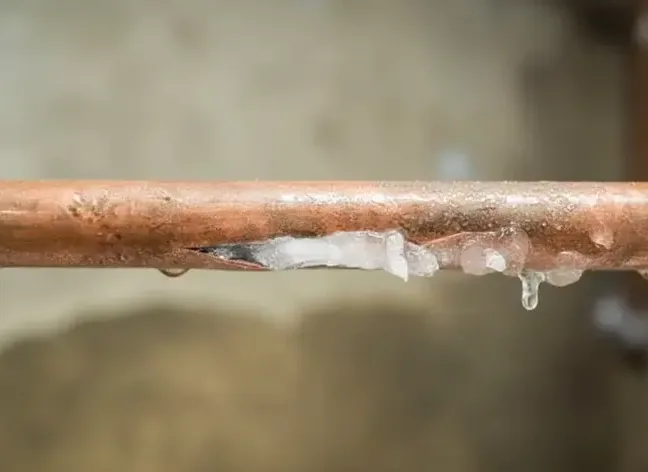
First steps for frozen pipe water damage
- Locate the shutoff safely
Close an accessible supply valve from a dry, stable approach. Avoid crossing pooled water or entering an uncertain overhead space to reach controls during an active thaw leak.
- Avoid improvised pipe heating
Keep flames and concentrated heat away from frozen sections and building materials. Arrange professional assessment, especially when the pipe is concealed or already shows signs of a split.
- Watch connected rooms during thawing
From safe positions, note ceiling marks, wet trim or puddles beside the pipe route. The release can appear elsewhere as thawing restores flow through the damaged section.
- Explain exposure and discovery
Describe the pipe location, observed flow loss and when water appeared. These details connect source diagnosis with inspection of layers that may have become wet before discovery.
How the team handles frozen pipe water damage
Rapid local response
The response team prioritizes source control, safe entry and the full path of wet materials. A visible puddle is only the starting point for the assessment.
IICRC S500 drying standard
The drying technician measures affected assemblies, sets a dry reference and adjusts air movement and dehumidification to the materials that remain.
Claim-ready documentation
The mitigation file records photographs, moisture readings, removal decisions and equipment use. The property owner checks policy questions with the insurer.
Local water experts
The restoration assessment separates the water source from the damage it leaves behind. Plumbing repairs, safe electrical access and material drying each receive attention.
What does frozen pipe water damage cost in Clayton, NC?
Frozen pipe water damage costs in Clayton depend on where the thaw release occurred and how far water spread before discovery. Enclosed or overhead runs can increase access work. The cleanup scope should separate plumbing correction from extraction, material removal, drying and later finish repairs.
One contained thaw leak
$1,200 to $2,500
- Accessible pipe area and room
- Limited extraction and material inspection
- Focused drying around the release
Several affected assemblies
$2,500 to $4,500
- Water crossing walls and flooring
- Added access to concealed layers
- More insulation handling and monitoring
Multiple or extensive releases
$4,500 to $9,500+
- Broad wet areas around plumbing
- Complicated source and access coordination
- Expanded removal and structural treatment
Compare the materials, water category and wet area with the cost planning calculator. An on-site assessment defines the work and any separate repairs.
The frozen pipe water damage process
- 1
Establish safe source control
Coordinate the plumbing assessment and determine whether water is still entering. Document the failed area and keep exposed electrical or unstable structural spaces outside the initial working boundary.
- 2
Inspect concealed release paths
Follow moisture from the pipe into nearby insulation, wall cavities and floor layers. Include rooms below the break and record any access needed to reveal the full affected assembly.
- 3
Remove water and unsuitable layers
Extract liquid and evaluate saturated insulation or finishes. Protect dry space while creating access around materials that can remain after the plumbing source is corrected.
- 4
Check recovery before closing cavities
Check retained material moisture and any signs of renewed wetting after repair. Document the completed treatment and identify finish replacement needs before reconstruction covers repaired pipe spaces.
A frozen section can restrict flow while damage remains hidden. When water begins moving again, a split may release into a wall, attic or underfloor area before the occupants see a puddle. The response needs to address the damaged plumbing and locate the building materials affected during the release.
Prepare for the change from ice to water
Clayton's January mean daily minimum is 29.5 degrees Fahrenheit. Knowing the shutoff location before cold weather helps occupants respond when a leak appears. If the valve cannot be reached safely, keep clear of the affected area and arrange professional assistance rather than crossing water or entering an unstable enclosed space.
- Describe low flow and the location of exposed plumbing when reporting a suspected frozen or split section.
- Keep open flames and improvised high heat away from pipes and nearby building materials during source assessment.
- Check accessible rooms beside and below the pipe for fresh stains after the water begins moving again.
- Record any unoccupied interval so the inspection can consider water that may have spread before discovery.
Use the cold history for preparation
January 21, 1985: Clayton recorded a low of minus 10 degrees Fahrenheit. Before severe cold, exposed plumbing and access to shutoff controls deserve attention. After a discovered release, the cleanup scope should be based on the damaged components and wet assemblies actually found at the property.
A damaged pipe requires a plumbing assessment before normal pressure returns. Other exposed sections may also need inspection. The repair professional can establish the source condition while restoration checks the surrounding insulation, framing and finishes for water that escaped during the thaw or subsequent release.
Inspect the spaces that are easy to overlook
Flowers, Cleveland and Powhatan are unincorporated communities using Clayton mailing addresses. At an affected property there or elsewhere, describe any attic, closet or underfloor location around the pipe. The inspection route should follow actual access and moisture findings, including concealed areas that may remain wet after the visible break is repaired.
Combine repair records with the drying result
Keep the damaged pipe documentation and the surrounding material readings together. A repaired section stops one source, while soaked insulation and wood may still require removal or drying. The final handoff should distinguish completed plumbing work, restored moisture conditions and the finishes that remain to be replaced.
Review flood safety precautions before entering a wet building and EPA indoor air quality information when planning cleanup.
Frozen pipe water damage in Clayton
Explain where the exposed plumbing runs and which rooms are now wet. Properties near Cleveland or Powhatan may use Clayton mailing addresses outside town limits, so provide the actual location and safe access point for the affected building.
The same service nearby: frozen pipe water damage in Smithfield, Wendell, Selma.
Related water damage services in Clayton

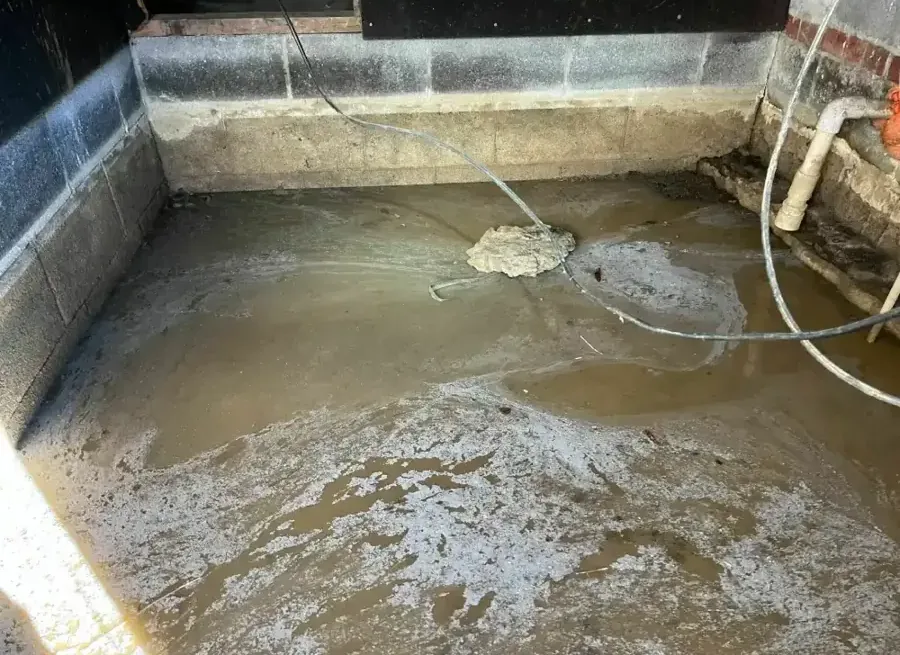

Frozen Pipe Water Damage questions in Clayton
Can a pipe start leaking after the coldest weather passes?
Frozen sections can conceal damage until thawing restores flow. Watch for moisture around exposed plumbing as conditions change, and arrange assessment if water appears in nearby rooms or enclosed spaces.
Should a frozen pipe be heated with a flame?
Open flames and improvised concentrated heat create hazards around plumbing and building materials. Leave uncertain thawing or repair work to an appropriate professional, especially where the affected section is enclosed or already shows damage.
Does normal water pressure mean the surrounding wall is dry?
Pressure describes the plumbing system, not retained moisture in building layers. A repaired pipe can be surrounded by wet insulation or framing. Those materials need a separate inspection before the cavity is covered again.
Why inspect other exposed pipe sections after one split?
The plumbing professional should evaluate the affected run and related exposed areas before normal use resumes. The restoration assessment then follows any discovered release paths into connected rooms and materials requiring removal or drying.
What should be recorded when the property was unoccupied?
Note the last known dry condition, discovery time and visible wet areas without guessing the exact leak duration. Photographs and repair findings help explain the eventual scope and any concealed damage uncovered during access.
When can insulation return around the repaired plumbing?
Replacement follows source correction and suitable moisture conditions in retained materials. The installer should also consider the plumbing arrangement and required access so new insulation does not conceal unresolved wetting or incomplete repair work.
Recover the structure around the repaired pipe
Coordinate plumbing correction with material inspection before the cavity is closed. A clear record separates the source repair from the remaining moisture and finish work inside the building.