Crawl Space Water Removal in Clayton
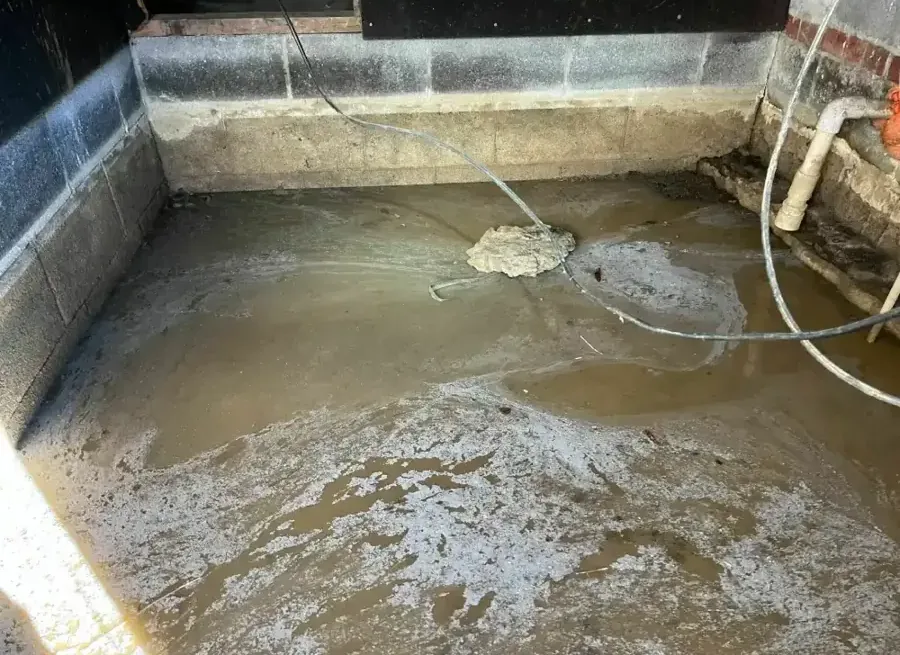
Water beneath the floor can remain unnoticed until insulation sags or the room above changes. For a property with a crawl space, removal begins with an entry assessment and a plan for the wet materials beyond the pool.
(888) 578-4720Assess water beneath the floor assembly- Entry safety assessment
- Underfloor source inspection
- Framing and insulation checks
First steps for crawl space water removal
- Stay outside flooded access
Avoid entering standing water to investigate or retrieve items. Describe conditions visible from the opening and arrange an entry assessment covering electrical exposure and confined working conditions.
- Explain when water appears
Note whether the problem follows rainfall, fixture use or a pipe leak. Share changes over time so the inspection can connect observations with conditions beneath the building.
- Identify changes in rooms above
Describe damp flooring, unusual movement or wet wall bases upstairs. These observations help focus inspection of supporting materials and reveal damage beyond the visible pool beneath the floor.
- Keep the hatch accessible
Move dry obstructions away from the hatch when safe and identify locked openings. Leave wet insulation, wiring and stored items for handling after entry conditions have been assessed.
How the team handles crawl space water removal
Rapid local response
The response team prioritizes source control, safe entry and the full path of wet materials. A visible puddle is only the starting point for the assessment.
IICRC S500 drying standard
The drying technician measures affected assemblies, sets a dry reference and adjusts air movement and dehumidification to the materials that remain.
Claim-ready documentation
The mitigation file records photographs, moisture readings, removal decisions and equipment use. The property owner checks policy questions with the insurer.
Local water experts
The restoration assessment separates the water source from the damage it leaves behind. Plumbing repairs, safe electrical access and material drying each receive attention.
What does crawl space water removal cost in Clayton, NC?
Crawl space water removal costs in Clayton reflect access clearance, accumulated water and the condition of insulation and framing. Contamination or obstructed areas can add handling work. Source correction, new insulation and broader drainage repairs should be identified separately from pumping and structural drying.
Accessible localized water
$1,200 to $2,200
- Reachable pools beneath the floor
- Limited obstructions along equipment routes
- Initial checks of exposed framing
Water and wet insulation
$2,200 to $4,000
- Saturated underfloor layers needing handling
- More access for material inspection
- Drying around retained floor components
Difficult or contaminated loss
$4,000 to $8,500+
- Restricted entry and complex removal
- Contaminated materials requiring separate disposal
- Expanded cleaning and drying arrangements
Compare the materials, water category and wet area with the cost planning calculator. An on-site assessment defines the work and any separate repairs.
The crawl space water removal process
- 1
Assess the working environment
Evaluate access, electrical concerns and water conditions before entry. Plan source investigation and equipment use around the clearance and obstacles beneath the property.
- 2
Remove accumulated water
Choose pumping methods for the pools and water quality. Check obstructed sections as levels fall so liquid does not remain unnoticed behind supports or low framing.
- 3
Evaluate underfloor materials
Inspect insulation, supports and accessible subfloor surfaces. Remove unsuitable layers and establish drying access to retained structure, documenting areas needing subsequent material replacement or repair.
- 4
Verify recovery beneath the floor
Measure framing and watch for renewed pooling. Record removal work, source findings and outstanding tasks before insulation or coverings return beneath the occupied rooms.
A crawl space opening offers only a partial view of the area beneath a house. Standing water can extend behind supports and low framing, while insulation hides wet surfaces above. Before anyone enters, assess electrical exposure, access clearance and the condition of the space. Pumping is one part of a broader underfloor recovery plan.
Investigate the source beneath the building
Clayton lies within the Neuse River watershed. At a particular property, underfloor water may require investigation of plumbing, outside entry or another source. Record when the water appears and whether it changes with rainfall or fixture use. The removal plan should follow those findings and the actual water quality.
- Describe the access opening and visible obstructions from outside instead of crawling into an uncertain flooded area.
- Mention electrical equipment or damaged wiring that may be near the standing water beneath the floor.
- Report sagging insulation and visible droplets on framing where those conditions can be seen without unsafe entry.
- Include changes in the room above, such as damp flooring or new movement around a wet area.
Plan pumping around safe access and disposal
Low clearance and uneven surfaces can affect equipment use and the removal route. Water must be handled appropriately for its source and condition. The assessment should establish how pumping will proceed and identify places where pools may remain behind obstructions after the most accessible area has been cleared.
Framing and insulation can stay wet after the standing water is gone. Inspection should include accessible floor components above the former pool and any materials that restrict drying. Saturated insulation may need removal so the retained structure can be measured and treated through an effective access path.
Connect underfloor findings with rooms above
Clayton Community Park includes wetlands, playing areas and picnic facilities. For an affected property in town, describe its own floor construction and rooms showing changes. The underfloor assessment can then connect water beneath the building with moisture in the supporting layers, rather than treating the crawl space as an isolated storage void.
Finish with source and material decisions documented
Explain the source findings, pumping work and condition of retained framing in the final record. Any drainage or plumbing correction should be clearly separated from drying and insulation replacement. Continued pooling or rising readings require investigation before new coverings conceal the underside of the floor.
Review flood safety precautions before entering a wet building and EPA indoor air quality information when planning cleanup.
Crawl space water removal in Clayton
Describe the access hatch, standing water and any plumbing visible from outside the opening. For a property near Clemmons Educational State Forest or Sam's Branch Greenway Trail, provide its actual entrance and conditions affecting access beneath the floor.
The same service nearby: crawl space water removal in Smithfield, Wendell, Selma.
Related water damage services in Clayton


Crawl Space Water Removal questions in Clayton
Is it safe to enter a crawl space with standing water?
Entry requires assessment of electrical exposure, access and water conditions. Confined clearance can make hazards harder to avoid. Describe observations outside the opening instead of entering standing water to investigate.
Does pumping alone resolve wet underfloor insulation?
Insulation can remain saturated after the pool disappears and may restrict drying of adjacent wood. Its condition needs separate evaluation, with removal when necessary to expose and treat the retained floor structure appropriately.
Could an indoor plumbing leak cause underfloor water?
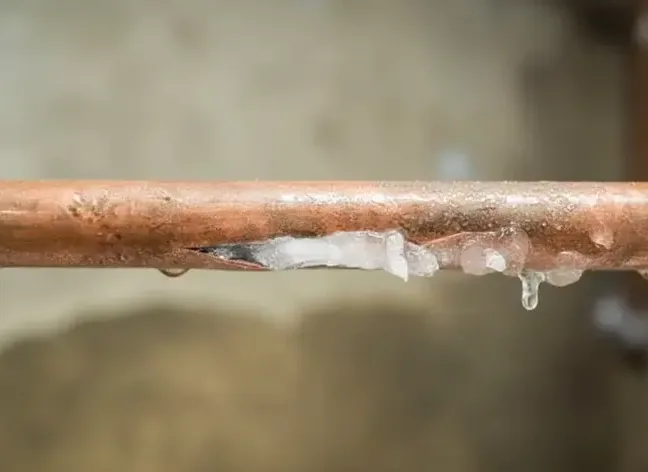
A pipe release can reach the crawl space, but the source needs investigation at the property. Explain timing and fixture related changes so the assessment can distinguish plumbing leakage from outside entry or another cause.
Why inspect the floor in the room above?
Water beneath the building can affect supporting layers and the underside of the floor. Comparing those conditions with changes upstairs helps define the full wet assembly and prevents the assessment from stopping at the pool.
What if water collects again after removal?
Recurring accumulation needs source investigation before replacement materials return. Document when it reappears and any relationship to rain or water use. Continued pumping without correcting the cause can leave the same materials exposed repeatedly.
When should replacement insulation be installed underneath?
Install it after source control and suitable moisture conditions in retained framing and floor layers. The repair record should identify the areas treated and any remaining access or plumbing work that needs completion before coverings return.
Inspect the structure after the water leaves
Arrange removal alongside source investigation and material checks. A documented condition beneath the floor supports decisions about drying, insulation replacement and any separate plumbing or drainage correction.