Sewage Backup Cleanup in Clayton
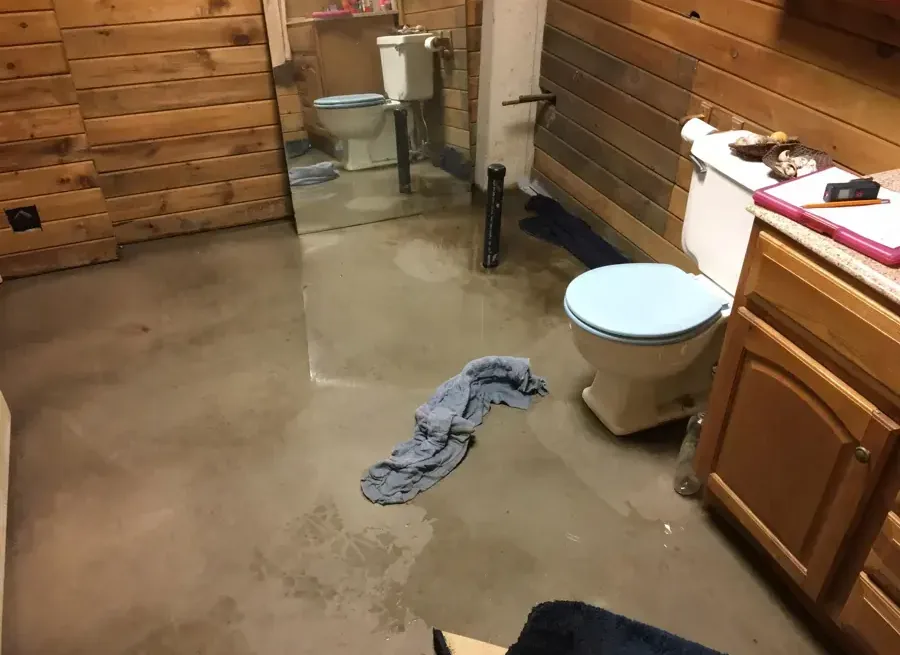
Wastewater rising through a drain needs a controlled response. Keep the affected space unused, report the drainage problem and arrange cleanup that separates contaminated materials from the rest of the building.
(888) 578-4720Arrange assessment of indoor wastewater- Utility issue reporting
- Contained removal route
- Cleaning before structural drying

First steps for sewage backup cleanup
- Restrict use of affected rooms
Keep occupants and pets outside areas reached by wastewater. Avoid moving contaminated objects through the building, and identify a clean access route that does not cross the spill.
- Report the drainage symptoms
Describe the affected fixtures and whether the backup is continuing. Use the appropriate utility reporting route or plumbing contact while arranging assessment of interior materials.
- Prevent additional avoidable discharge
Stop using fixtures contributing to the backup until the drainage problem is assessed. Explain any shared facilities or essential operating needs so source control can be planned appropriately.
- Preserve an exposure record safely
Document water marks and damaged contents from outside the contaminated area. List affected rooms and stored items before removal changes the scene, keeping the information with the source repair record.
How the team handles sewage backup cleanup
Rapid local response
The response team prioritizes source control, safe entry and the full path of wet materials. A visible puddle is only the starting point for the assessment.
IICRC S500 drying standard
The drying technician measures affected assemblies, sets a dry reference and adjusts air movement and dehumidification to the materials that remain.
Claim-ready documentation
The mitigation file records photographs, moisture readings, removal decisions and equipment use. The property owner checks policy questions with the insurer.
Local water experts
The restoration assessment separates the water source from the damage it leaves behind. Plumbing repairs, safe electrical access and material drying each receive attention.
What does sewage backup cleanup cost in Clayton, NC?
Sewage cleanup in Clayton is affected by the contaminated footprint, porous material volume and the access required for safe removal. Cleaning and disposal can be substantial parts of the scope. Drain repair and replacement finishes should appear as distinct tasks.
Limited contaminated room
$1,500 to $3,000
- Defined exposure with manageable access
- Focused extraction and surface cleaning
- Limited absorbent material disposal work
Connected contaminated areas
$3,000 to $5,000
- Wastewater crossing several interior boundaries
- Expanded containment and removal route
- More surfaces requiring cleaning access
Extensive sewage contact
$5,000 to $12,000+
- Broad porous and structural exposure
- Complex contents handling and disposal
- Substantial cleaning followed by drying
Compare the materials, water category and wet area with the cost planning calculator. An on-site assessment defines the work and any separate repairs.
The sewage backup cleanup process
- 1
Establish a controlled work boundary
Inspect the extent of wastewater contact and identify clean areas to protect. Plan equipment placement and the removal route around occupancy, doors and accessible hard surfaces.
- 2
Extract and separate affected materials
Remove wastewater and evaluate absorbent items for disposal. Separate contaminated handling from dry contents and document surfaces that cannot remain.
- 3
Clean the retained assembly
Reach exposed structural surfaces and concealed edges where necessary. Address contamination before directing drying airflow through the work zone, with material decisions based on condition and access.
- 4
Document moisture and remaining repairs
Measure retained layers after cleaning and follow their drying progress. Provide a clear record of removed materials, completed treatment and the reconstruction tasks needed before the space returns to use.
A drain that releases wastewater changes how the room must be handled. Walking through it, moving rugs or starting household fans can spread the problem beyond the original area. Establish a boundary first and keep unaffected occupants and belongings outside it while the source and interior exposure are assessed.
Report the backup and document indoor conditions
Clayton Water Resources lists sewer backups among utility emergencies, with COMS available as an official reporting route. Report the drainage symptoms and affected location. Interior restoration is a separate task that examines the surfaces touched by wastewater, the materials requiring removal and the safe route for completing that work.
- Describe which drains are affected and whether wastewater continues rising when fixtures elsewhere in the building operate.
- Keep exposed footwear and portable objects out of clean rooms until their handling has been assessed.
- Photograph the contaminated boundary from a dry location rather than entering the spill for a closer image.
- Identify absorbent storage, carpet and low wall finishes that have contacted the discharge or been splashed.
Remove materials that cannot be suitably recovered
Porous surfaces can retain contamination beneath their visible face. The assessment should explain which items can be cleaned and which need disposal. A controlled removal route protects unaffected space and allows the retained structural surfaces to be reached. Drying equipment follows appropriate cleaning rather than substituting for it.
Restoring drainage addresses the source problem, while contaminated room surfaces still require attention. Keep records of the report and any plumbing findings alongside the restoration documentation. That combined record helps explain what stopped the backup and what was done to recover the affected building materials.
Account for occupied rooms and shared access
The Clayton Historic District includes part of the downtown commercial district, and The Clayton Center serves as a performing arts and conference venue. In any occupied building, the cleanup plan must identify who controls access and whether a separate clean route is available around the contaminated workspace.
Dry the structure after the exposure is addressed
Once unsuitable materials are removed and retained surfaces cleaned, moisture checks define the remaining drying work. Record accessible framing, wall bases and floor layers. The final handoff should explain completed cleaning, moisture condition and replacement needs before normal use or reconstruction returns to the affected area.
Review flood safety precautions before entering a wet building and EPA indoor air quality information when planning cleanup.
Sewage backup cleanup in Clayton
Give the affected drain locations and the safe building entrance when discussing attendance. Properties around Main Street and W Barnes Street need clear boundaries between the contaminated rooms, occupied areas and the route used for material removal.
The same service nearby: sewage backup cleanup in Smithfield, Wendell, Selma.
Related water damage services in Clayton


Sewage Backup Cleanup questions in Clayton
Who should receive a sewer emergency report?
The municipal Water Resources department handles sewer backup emergencies, and COMS provides an official reporting route. Describe drainage symptoms and location while arranging assessment of indoor wastewater damage.
Does restored drainage mean the room can reopen?
The indoor exposure still needs attention after drainage resumes. Contaminated surfaces, damaged absorbent materials and retained moisture require assessment and treatment before occupants return or replacement finishes cover the affected structural areas.
Can ordinary fans help remove the sewage odor?
Air movement should follow a contamination assessment and appropriate cleanup. Starting fans around untreated sewage can disrupt controlled handling. The plan should address affected materials and cleaning rather than relying on odor reduction alone.
Why might carpet and padding require removal?
Porous layers can hold wastewater and contamination beneath the surface. Their exposure and recovery potential need evaluation. Removal may be necessary to reach and clean the structural floor before drying the retained assembly.
Can unaffected belongings remain nearby during the work?
Dry items need protection from the contaminated handling route and work zone. Relocation may help when it can be done safely, but exposed belongings should not be mixed with untouched contents during cleanup.
What should the owner keep after sewage restoration?
Retain the utility or plumbing report, photographs, material disposal record and drying documentation. Together they explain the source investigation, interior exposure and work completed before repair contractors rebuild the affected surfaces.
Set a clear boundary around the backup
Keep occupants outside the contaminated space while the source is investigated. Arrange an interior assessment that accounts for disposal routes, clean access and concealed affected layers.