Slab Leak Water Damage in Clayton
A persistent damp patch above concrete needs more than surface wiping. The pipe problem must be located while the floor finish, underlayment and nearby partitions are checked for water moving beyond the visible mark.
(888) 578-4720Discuss moisture above the slab- Leak location coordination
- Floor layer assessment
- Measured access decisions
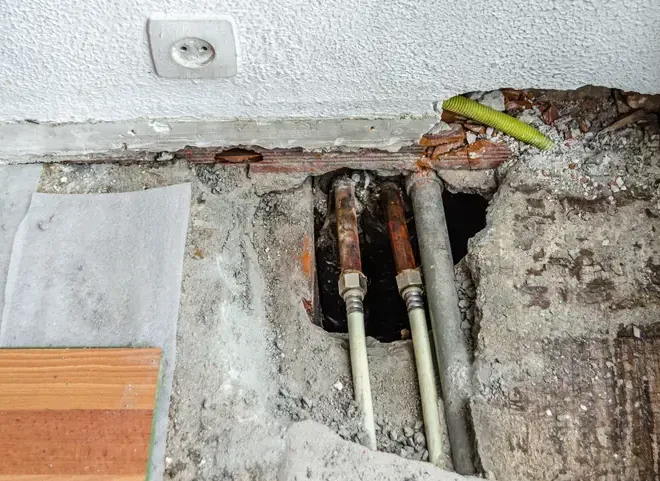
First steps for slab leak water damage
- Describe recurring dampness accurately
Note the exact room and surface where water returns after wiping. Include cabinet swelling and wall marks to help define the inspection area.
- Arrange a plumbing source diagnosis
Have the concealed supply problem evaluated before flooring is broadly opened. Share the visible moisture pattern so the diagnosis and restoration inspection can be coordinated effectively.
- Keep traffic off unstable finishes
Loose tiles, lifted edges and swollen flooring can create trip hazards. Establish another walking route and avoid placing heavy contents over visibly distorted or weakened material.
- Save the access and repair record
Photograph the floor condition and any opening created for the pipe repair. Keep the plumbing scope with the drying documentation to explain which work addressed each problem.
How the team handles slab leak water damage
Rapid local response
The response team prioritizes source control, safe entry and the full path of wet materials. A visible puddle is only the starting point for the assessment.
IICRC S500 drying standard
The drying technician measures affected assemblies, sets a dry reference and adjusts air movement and dehumidification to the materials that remain.
Claim-ready documentation
The mitigation file records photographs, moisture readings, removal decisions and equipment use. The property owner checks policy questions with the insurer.
Local water experts
The restoration assessment separates the water source from the damage it leaves behind. Plumbing repairs, safe electrical access and material drying each receive attention.
What does slab leak water damage cost in Clayton, NC?
Slab leak cleanup in Clayton varies with the floor layers affected and the access needed around the plumbing repair. These figures concern water damage work. Leak location, pipe correction and replacement flooring should each be described in the estimate.
Limited wet flooring
$1,500 to $3,000
- Defined area of affected finish
- Accessible edges for moisture testing
- Targeted removal and drying work
Several affected assemblies
$3,000 to $6,000
- Floor and adjoining partition involvement
- Added access around fixed materials
- More extensive material condition documentation
Extensive concealed spread
$6,000 to $10,000+
- Broad moisture beneath finished surfaces
- Complicated openings and retained layers
- Expanded drying and reconstruction coordination
Compare the materials, water category and wet area with the cost planning calculator. An on-site assessment defines the work and any separate repairs.
The slab leak water damage process
- 1
Map the affected finish
Measure the damp area and inspect transitions into adjoining rooms. Record floor construction where accessible and identify partitions or cabinets that share the wet boundary.
- 2
Coordinate the repair opening
Align restoration access with the plumbing work while protecting dry finishes. Record newly exposed wet layers and update the scope when concealed damage becomes visible.
- 3
Dry the retained assemblies
Remove unsuitable saturated materials and manage moisture in surfaces that can remain. Equipment selection follows access, material condition and the amount of retained water.
- 4
Prepare the flooring handoff
Document the condition of the slab and surrounding layers before reconstruction. Give the repair contractor a clear account of opened areas and remaining material concerns.
A floor can become damp again soon after it is wiped when water is entering beneath the finish. That repeated wetting deserves a source investigation before the surface is replaced. For a property with a slab, cleanup planning should connect the plumber's findings with a separate map of affected flooring and surrounding wall materials.
Locate the source before widening the opening
The visible wet spot may be away from the failed pipe. Water can migrate beneath a floor covering or along an adjoining partition, making a surface stain an unreliable target for demolition. Leak location and restoration measurements answer different questions, and both should inform where access is created in the assembly.
- Record recurring damp areas and the times they become noticeable, including any changes associated with water use.
- Check adjacent cabinet bases where moisture may collect beneath fixed units before it reaches exposed flooring.
- Identify the actual floor layers rather than assuming every room has the same finish over concrete.
- Protect unaffected paths from debris and moisture when plumbing access requires an opening through the floor.
Plan plumbing changes alongside material recovery
Clayton requires permits for installation, extension, relocation, replacement or general repair of a plumbing system. The proposed repair should be reviewed with the appropriate inspection department. Cleanup can document wet materials and create suitable access, but the plumbing scope determines how the concealed release will be corrected.
A clean looking slab surface is only one consideration before new flooring is installed. Retained moisture, adhesive condition and the requirements of the replacement floor all matter. The drying record should be available to the flooring contractor so installation decisions are made from the actual substrate condition.
Account for the building's particular finish layers
Main Street forms the historic core of the community, and the Clayton Historic District includes both residential and commercial buildings. A wet room may contain several generations of finishes. Document what is exposed during access and evaluate each affected layer rather than treating the entire assembly as a single surface.
Swollen trim or damp wall bases can indicate that the loss extends beyond the flooring repair opening. Those areas may need separate access and drying. The scope should distinguish the pipe access patch from broader water damage so neither task is mistaken for the complete restoration of the room.
Check for renewed wetting before closing the job
After the pipe repair, inspect the previously affected boundary and compare followup readings. Recurring dampness needs investigation before replacement finishes conceal the area. Once the source remains controlled and the materials meet the drying objective, the repair handoff can describe the openings, retained layers and remaining finish work.
Review flood safety precautions before entering a wet building and EPA indoor air quality information when planning cleanup.
Slab leak water damage in Clayton
Mention the floor covering and where dampness first appeared at the property. Addresses around Blanche Street and W Barnes Street benefit from a clear description of indoor access, fixed cabinetry and any rooms sharing the wet slab area.
The same service nearby: slab leak water damage in Smithfield, Wendell, Selma.
Related water damage services in Clayton



Slab Leak Water Damage questions in Clayton
Does a wet slab surface identify the pipe location?
Not necessarily. Water can move beneath a covering before becoming visible. Plumbing leak location identifies the source while moisture mapping identifies damaged materials; neither should be replaced by guessing from the darkest patch.
Can new flooring be placed over a recently wet slab?
The substrate must satisfy the replacement flooring requirements first. Remaining moisture and adhesive condition need evaluation. Installing a new finish too soon can conceal an unresolved problem and complicate later access or repairs.
Will the whole room need to be opened?
Access depends on the pipe diagnosis and the spread beneath finished surfaces. A limited opening may be sufficient for one task while adjacent wet layers need separate treatment. The inspection should explain those boundaries.
Why are cabinet bases included in the assessment?
Water beneath flooring can reach fixed cabinetry before it appears in open space. Cabinet bottoms and enclosed toe areas may retain moisture, so they need inspection when they border the affected part of the room.
Does source repair automatically resolve wall dampness?
Repair stops additional release from the pipe, but moisture already held in a partition can remain. Check wall bases and any accessible cavity materials separately before assuming the room is ready for finish replacement.
What documents help the flooring contractor finish the job?
Provide the repair opening location, removed material list and final moisture record. The installer can then evaluate substrate preparation and product requirements with a clearer understanding of the water loss and completed drying work.
Resolve the source before covering the slab
Arrange evaluation of the pipe problem and the wet building layers together. A clear handoff between plumbing, drying and flooring work keeps each repair decision connected to the property findings.