Toilet Overflow Cleanup in Clayton
Water crossing the bathroom threshold needs more than a towel at the doorway. Stop fixture use, restrict access and have the discharge and contacted materials assessed before cleaning spreads through adjoining rooms.
(888) 578-4720Assess the overflow beyond the bathroom- Fixture use stopped
- Controlled bathroom access
- Subfloor exposure assessment
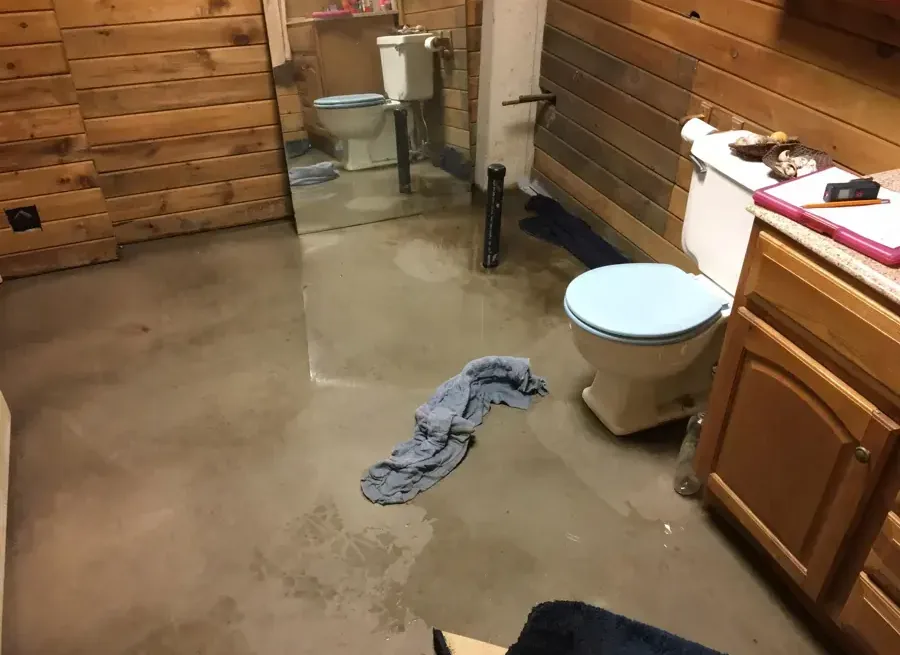
First steps for toilet overflow cleanup
- Stop further fixture use
Leave the affected toilet unused and avoid repeated flushing to test the blockage. Arrange source assessment and describe any other fixtures showing unusual drainage or water appearing nearby.
- Limit movement through the spill
Close off the wet bathroom and adjoining affected floor. Keep footwear, bath mats and cleaning tools from carrying residues into otherwise untouched rooms while the exposure is being assessed.
- Report water beneath fixed fittings
Mention damp vanity edges, floor openings and the toilet base when describing the incident. These locations can reveal water entering layers that are hidden beneath the visible bathroom surface.
- Record lower room changes safely
For an upstairs overflow, inspect the room below only from a safe position. Note ceiling marks or dripping and keep people away from unstable panels or affected electrical fixtures.
How the team handles toilet overflow cleanup
Rapid local response
The response team prioritizes source control, safe entry and the full path of wet materials. A visible puddle is only the starting point for the assessment.
IICRC S500 drying standard
The drying technician measures affected assemblies, sets a dry reference and adjusts air movement and dehumidification to the materials that remain.
Claim-ready documentation
The mitigation file records photographs, moisture readings, removal decisions and equipment use. The property owner checks policy questions with the insurer.
Local water experts
The restoration assessment separates the water source from the damage it leaves behind. Plumbing repairs, safe electrical access and material drying each receive attention.
What does toilet overflow cleanup cost in Clayton, NC?
Toilet overflow cleanup costs in Clayton depend on discharge quality, the surfaces contacted and spread beyond the bathroom. Concealed subfloor moisture can expand the work. Plumbing correction and replacement fixtures should be distinguished from cleaning, material removal and drying.
Contained bathroom spill
$800 to $1,500
- Accessible surfaces with boundaries
- Affected item handling
- Focused cleaning and moisture assessment
Subfloor or adjoining damage
$1,500 to $2,500
- Water beneath the bathroom finish
- Connected trim or vanity exposure
- Additional access for material recovery
Contaminated connected rooms
$2,500 to $6,000+
- Discharge beyond the bathroom threshold
- Broader porous material removal needs
- Expanded cleaning and structural drying
Compare the materials, water category and wet area with the cost planning calculator. An on-site assessment defines the work and any separate repairs.
The toilet overflow cleanup process
- 1
Characterize the overflow exposure
Assess the fixture event and surfaces contacted by the water. Set the affected boundary and coordinate plumbing assessment before selecting the cleaning and material handling approach.
- 2
Remove exposed unsuitable materials
Handle contaminated absorbent items and damaged layers separately from clean contents. Record the reasons for removal and protect the route used to carry materials from the bathroom.
- 3
Clean retained bathroom surfaces
Treat reachable hard surfaces and inspect concealed edges. Create appropriate access where water entered the floor assembly or collected beneath a vanity that obstructs ordinary cleaning.
- 4
Check drying and repair needs
Measure retained materials and check distortion. Explain remaining finish repairs and confirm source correction before the bathroom returns to household use.
A bathroom floor can hide an overflow's full reach. Water may pass beneath the vanity, through a floor opening or into carpet at the doorway. The first inspection should establish what escaped the fixture and where it traveled before deciding which surfaces can be cleaned and which porous materials need removal.
Do not keep testing the flush
Repeated flushing can add water while a blockage remains. Stop use and arrange a plumbing assessment of the cause. If other drains are also affected, report that detail promptly. The cleanup scope still needs to address the bathroom and connected materials even after the fixture begins draining normally again.
- Keep pets and children away from the bathroom and any hallway reached by the overflow water.
- Avoid carrying wet bath mats across clean flooring before their contamination and recovery options are evaluated.
- Mention water near floor penetrations and toilet bases where moisture may reach the underlying floor assembly.
- Check from a safe location for changes in the ceiling below an upstairs bathroom overflow.
Evaluate hard surfaces and absorbent edges separately
Tile can be cleanable while adjoining trim, vanity panels or underlayment require different treatment. Water quality and the material's condition control that distinction. Cleaning only the visible tile leaves other contacted surfaces unresolved, particularly where water entered joints or collected beneath a fixed vanity.
Clayton exempts minor plumbing fixture repairs or replacements when the original supply, waste and ventilation systems remain undisturbed. Changes to those systems need evaluation. Discuss the proposed plumbing scope separately from cleanup of the bathroom materials that were exposed during the overflow.
Track the threshold into the next room
The Clayton Historic District includes homes and commercial buildings, with Main Street at the community's historic core. In any affected bathroom, the floor layers and adjoining room finishes need inspection as found. A dry looking doorway may conceal moisture beneath trim or a transition where water crossed earlier.
Return the room to use in the right order
Correct the fixture problem, remove unsuitable affected materials, clean retained surfaces and verify the moisture condition. Keep the room isolated while those tasks are incomplete. The handoff should identify any remaining vanity, trim or floor repairs before normal bathroom use resumes.
Review flood safety precautions before entering a wet building and EPA indoor air quality information when planning cleanup.
Toilet overflow cleanup in Clayton
Describe the bathroom floor level and the rooms sharing its walls when arranging an inspection. Around Mulberry Street and Lombard Street, the most useful access details are the dry entrance and any wet hallway outside the bathroom.
The same service nearby: toilet overflow cleanup in Smithfield, Wendell, Selma.
Related water damage services in Clayton



Toilet Overflow Cleanup questions in Clayton
Is clear looking overflow water safe to touch?
The source and contacted surfaces determine exposure. Avoid contact while the discharge is assessed, especially when bowl contents or backed up drainage are involved. Handling decisions should reflect those findings.
Should a blocked toilet be flushed again after overflowing?
Further flushing can increase the spill before the obstruction is corrected. Keep the fixture unused and arrange plumbing assessment. Report any other drains behaving abnormally so the source investigation considers the wider drainage problem.
Can bathroom tile stay while other materials are removed?
Different materials can need different treatment. Sound cleanable tile may remain while contaminated porous trim or underlayment requires removal. The inspection should identify each affected layer and explain the basis for its handling decision.
Why check the room below an upstairs overflow?
Water can pass through penetrations and floor joints into the ceiling beneath. Include that room in the assessment when marks or dripping appear, and avoid standing under sagging finishes or near wet electrical fittings.
Does drying alone make a contaminated bathroom usable?
Contaminated surfaces need appropriate removal and cleaning before drying completes the work. The room should remain isolated until the source and contacted materials have been addressed, with remaining repairs clearly identified for the owner.
What details help define the initial cleanup scope?
Describe the fixture, contents, floor covering and spread into a hallway or lower room. These details help establish contamination boundaries and whether concealed materials need inspection or opening.
Plan cleanup beyond the visible tile
Keep the affected fixture unused while the cause is assessed. Coordinate cleaning and drying around every surface reached by the overflow, including concealed floor layers.