Structural Drying in Wendell
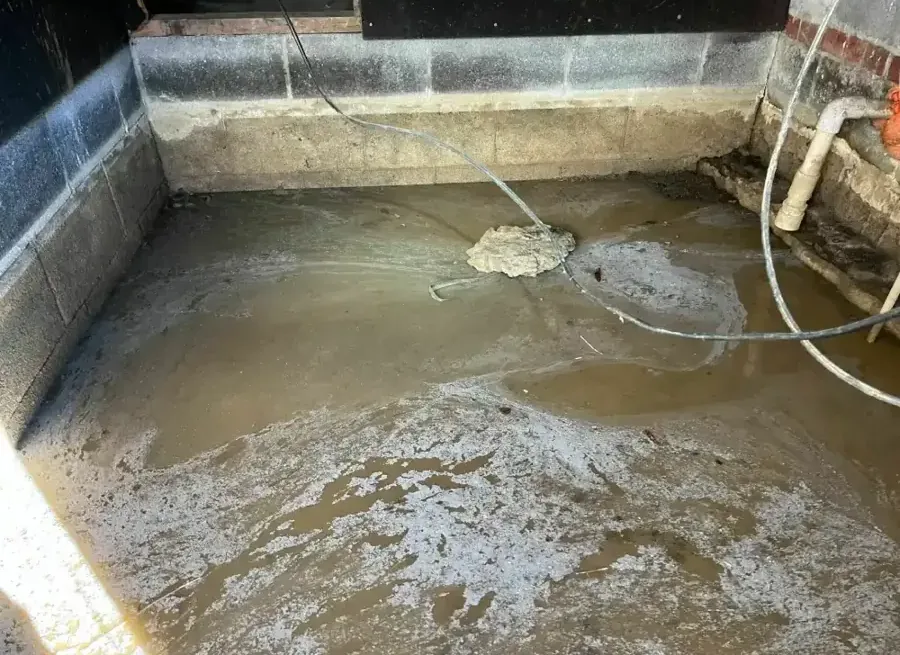
A room can lose its puddles while the walls and floor still hold water. Structural drying starts with a material map and uses repeat readings to show which assemblies are responding and which need better access.
(888) 578-4720Assess the remaining material moisture- Recorded readings
- Assembly access
- Controlled humidity

First steps for structural drying
- Confirm the water source status
Continued leakage prevents effective recovery. Source repairs and liquid removal need attention before drying equipment can focus on the moisture absorbed into building materials.
- Keep equipment access usable
Stored items and furniture can obstruct affected wall bases or floors. A safe clearance plan gives equipment room to work while maintaining passage through areas that remain suitable for occupancy.
- Describe concealed wet areas
Mention damp closets, lower cabinets or closed cavities that may not be visible from the room entrance. Those details help the assessor include hard to reach materials in the initial map.
- Preserve the operating arrangement
Changing equipment positions or opening windows can alter the drying environment. Any noise, access or occupancy concern should be discussed so adjustments remain connected to the material readings and treatment plan.
How the team handles structural drying
Rapid local response
The response team prioritizes source control, safe entry and the full path of wet materials. A visible puddle is only the starting point for the assessment.
IICRC S500 drying standard
The drying technician measures affected assemblies, sets a dry reference and adjusts air movement and dehumidification to the materials that remain.
Claim-ready documentation
The mitigation file records photographs, moisture readings, removal decisions and equipment use. The property owner checks policy questions with the insurer.
Local water experts
The restoration assessment separates the water source from the damage it leaves behind. Plumbing repairs, safe electrical access and material drying each receive attention.
What does structural drying cost in Wendell, NC?
Structural drying in Wendell has planning ranges from $1,000 to $9,000+. The number of wet assemblies, their density and available access affect equipment and monitoring needs. The scope should distinguish material drying from source repairs, removal of damaged finishes and later reconstruction work.
Targeted material drying
$1,000 to $2,000
- A defined wet assembly area
- Accessible surfaces for equipment treatment
- Readings at focused material locations
Several wet assemblies
$2,000 to $4,000
- Moisture across connected building layers
- Additional access to concealed spaces
- Equipment serving different material types
Dense or extensive structure
$4,000 to $9,000+
- Complex moisture retention within assemblies
- Broader equipment and monitoring needs
- Expanded documentation before finish closure
Compare the materials, water category and wet area with the cost planning calculator. An on-site assessment defines the work and any separate repairs.
The structural drying process
- 1
Create a material baseline
Wet assemblies and suitable dry comparisons establish the measurement baseline. Recording these locations allows repeated checks to track changes in the same materials.
- 2
Choose access and equipment
The plan pairs air movement and humidity control with the openings needed to reach retained moisture. Saturated or obstructive materials are assessed before deciding what stays in place.
- 3
Respond to measured progress
Repeat readings show whether each area is drying. Slow response prompts assessment of access, equipment arrangement or source control, with the reason for any change documented in the project record.
- 4
Verify the repair handoff
Final checks document retained materials and any further preparation needed. Those findings support replacement work while distinguishing verified drying from the simple removal of equipment from a room.
Drying is a process of reaching water held inside the building, not simply making the air feel less damp. Wallboard, timber and layered flooring release moisture differently. The initial map identifies affected assemblies and suitable comparison areas, giving the equipment plan a measurable purpose from the start of treatment through the final assessment.
Adapt the plan to the interior assembly
Wendell Falls, the Wendell Commercial Historic District and properties around East Wake High School provide varied residential and business settings. Existing interiors can contain layered finishes, enclosed storage or partitions that restrict access. The drying method follows the actual wet construction at each building, with openings considered where a retained assembly cannot otherwise be treated effectively.
In the local 2010 housing count, 40% of units had been built before 1980. An older building may also have newer finishes covering original material. Inspection identifies those layers instead of assuming the visible surface represents the whole assembly. That distinction matters when moisture remains behind a later floor covering or inside a modified wall.
Control the environment without overlooking trapped water
Air movement helps moisture leave accessible surfaces, while dehumidification manages moisture entering the room air. Neither task removes an access barrier by itself. If readings remain elevated in an enclosed area, the plan may need a different equipment arrangement, selective opening or further investigation of a source that is still adding water.
- Keep repeat readings tied to identified material locations so changes can be compared meaningfully.
- Separate indoor air conditions from the moisture condition of the building materials being treated.
- Assess wet insulation or hidden floor layers when an otherwise accessible surface stops showing progress.
Read the building response before setting the next step
Hot, humid summers can make outdoor ventilation counterproductive. The drying arrangement should account for those conditions alongside occupancy and safe passage around equipment. The water removal service addresses bulk liquid first, allowing subsequent treatment to focus on water absorbed into the retained walls, floors and framing.
A fixed period cannot account for every material and access condition. The final decision comes from the documented response of the affected assembly and suitable drying criteria, with any remaining wet area identified before repairs conceal it.
Leave a record that supports rebuilding
The closeout information should connect the original wet map with final material checks and any removal completed during treatment. Replacement finishes then have a clearer starting condition. If additional preparation or testing is needed for a particular product, that requirement belongs in the repair discussion before the assembly is closed.
Review flood safety precautions before entering a wet building and EPA indoor air quality information when planning cleanup.
Structural drying in Wendell
Structural drying in Wendell addresses affected residential and business interiors in ZIP 27591. The retained materials, source status and access to concealed spaces establish the equipment arrangement and the locations selected for repeat moisture checks.
The same service nearby: structural drying in Smithfield, Clayton, Selma.
Related water damage services in Wendell


Structural Drying questions in Wendell
How is structural drying different from extraction?
Extraction removes accessible liquid. Structural drying treats moisture retained in materials after that removal, using access, controlled air movement and humidity management to support recovery of the affected walls, floors and framing.
Does warm room air mean the building is dry?
Material readings establish the condition of the affected assembly. Checking wall cavities and floor layers shows where moisture remains, including areas with dry looking surfaces in an otherwise warm room during the drying process.
Why might equipment placement change during the work?
Material response can reveal areas needing improved access or a different drying arrangement. Repositioning should follow measured findings so equipment addresses the remaining wet assembly rather than continuing unchanged after progress slows.
Can windows remain open during summer drying?
The decision depends on outdoor and indoor conditions. Humid outdoor air may add moisture, so the treatment arrangement should be reviewed before ventilation changes alter the controlled environment around the affected materials.
Will every wall need an opening?
The construction, saturation and available drying access determine that need. Selective inspection helps identify trapped moisture, while assemblies that can be treated effectively without broad removal may retain more of their existing finishes.
What establishes that equipment can be removed?
The documented material condition and suitable project drying criteria support that decision. Final checks should identify any unresolved wet area and any separate preparation needed before new floor coverings or wall finishes are installed.
Give the repair phase a measured starting point
Recorded progress makes the drying decisions easier to understand. An assessment identifies access needs, appropriate equipment placement and the material checks that support a sound transition into finish repairs.