Frozen Pipe Water Damage in Wendell
A thaw can turn a hidden pipe split into a spreading indoor release. Recovery begins with isolation and inspection of the affected pipe area, then follows water into walls, ceilings or flooring beyond the opening.
(888) 578-4720Assess water released during the thaw- Release isolation
- Hidden split checks
- Wet finish recovery
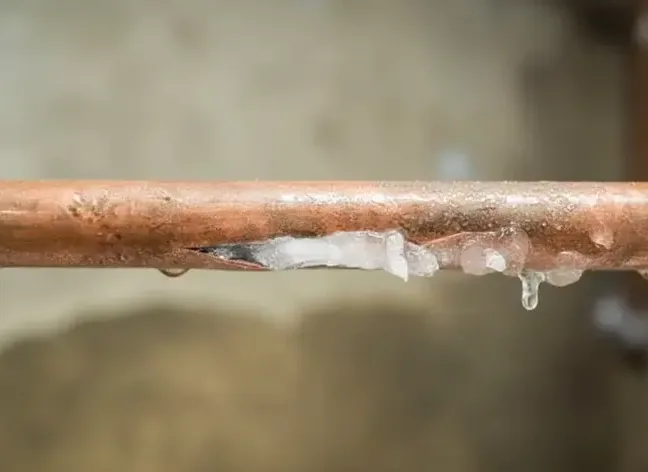
First steps for frozen pipe water damage
- Arrange safe supply control
An active release needs isolation before recovery. A professional should assess inaccessible plumbing and wet electrical surroundings without an occupant entering the damaged cavity.
- Avoid direct heating attempts
Improvised heat can harm nearby finishes and create another hazard. Report the suspected frozen section and any visible release so the plumbing assessment can establish a suitable approach to the damaged pipe.
- Note new water appearances
A stain or puddle that appears during the thaw can help trace the escape route. Safe photographs and the sequence of observations support inspection of rooms beyond the first repair opening.
- Keep finish closure on hold
The space around the repaired pipe may still need moisture checks and access. Coordinate replacement insulation, trim or wallboard with the drying findings so damp materials are not hidden before treatment finishes.
How the team handles frozen pipe water damage
Rapid local response
The response team prioritizes source control, safe entry and the full path of wet materials. A visible puddle is only the starting point for the assessment.
IICRC S500 drying standard
The drying technician measures affected assemblies, sets a dry reference and adjusts air movement and dehumidification to the materials that remain.
Claim-ready documentation
The mitigation file records photographs, moisture readings, removal decisions and equipment use. The property owner checks policy questions with the insurer.
Local water experts
The restoration assessment separates the water source from the damage it leaves behind. Plumbing repairs, safe electrical access and material drying each receive attention.
What does frozen pipe water damage cost in Wendell, NC?
Frozen pipe water damage cleanup in Wendell has planning amounts from $1,200 to $9,500+. The release path, number of wet assemblies and access around the repair affect mitigation. Pipe replacement, protection improvements and decorative repairs should be separated from water removal and material drying.
One contained thaw leak
$1,200 to $2,500
- Limited release near accessible plumbing
- Checks around the repair opening
- Removal and surrounding material drying
Several affected assemblies
$2,500 to $4,500
- Water crossing connected interior finishes
- Additional access around saturated cavity layers
- Equipment treating more than one assembly
Multiple or extensive releases
$4,500 to $9,500+
- Coordinated source and moisture inspection
- Access to concealed wet materials
- Monitoring before finish repairs proceed
Compare the materials, water category and wet area with the cost planning calculator. An on-site assessment defines the work and any separate repairs.
The frozen pipe water damage process
- 1
Assess the thaw release history
The source history establishes where inspection starts. Observed water paths then connect the damaged pipe with wet finishes and adjoining cavities.
- 2
Remove water and inspect cavities
Accessible liquid is collected while nearby wall, ceiling or floor layers are checked. Selective access considers saturated insulation and the reach of the release beyond the plumbing opening.
- 3
Dry the retained surroundings
Equipment addresses wet building materials after source control. Repeat measurements help distinguish progress from renewed wetting and identify any concealed section still needing improved access or further investigation.
- 4
Document readiness for repairs
The final material record supports closure of the affected assembly. Any additional pipe protection or source work is identified separately from the finish replacement needed after the water damage cleanup.
A pipe can remain quiet while frozen and leak when water moves through the damaged section again. The resulting release may appear behind a wall or beneath a floor rather than directly at the split. Cleanup addresses the escaped water after the supply is controlled, with inspection extending beyond the opening used for plumbing repair.
Assess the building where the release occurred
Properties near Wendell Park, Carver Elementary School and East Wake High School can each have different exposed plumbing routes and interior arrangements. The assessment starts with the damaged pipe's actual location and the finishes it wetted. An exterior wall, enclosed cupboard or overhead cavity presents its own access problem once the source has been isolated.
The plumber's findings help identify the failed section and any further source work required. Mitigation then checks the surrounding assembly for water that traveled away from that point. A small repair opening can conceal a longer wet path, particularly where framing or floor joints allow liquid to reach another room before it becomes visible.
Keep improvised thawing out of the cleanup plan
Open flame and uncontrolled heating create additional hazards around building materials and plumbing. Wet electrical equipment also limits safe access. The source professional should establish a suitable repair approach, while occupants stay outside unsafe areas and report visible water movement from a dry position instead of entering a wet cavity.
- Describe whether water is still escaping and which shutoff or repair work has already occurred.
- Record stains, wet trim and floor changes that appear after the original pipe problem is found.
- Keep access to the repair area available for checking nearby material after the source is corrected.
Follow the release into the connected structure
Liquid removal reduces the immediate load, but insulation and floor layers may retain moisture. Readings help determine whether selective access or further drying is needed. The burst pipe cleanup page describes how recovery extends beyond the pipe itself when pressurized water has entered adjoining interior finishes and concealed assemblies.
New dampness after source work deserves attention before a wall is closed. The cause may need further investigation, and the moisture map should be updated so the drying plan reflects the condition of all affected material.
Coordinate prevention work with interior recovery
Any changes to pipe protection belong with the appropriate plumbing or building professional. Mitigation records the materials affected by this release and their condition after drying. Keeping those tasks distinct helps prevent a completed pipe repair from being mistaken for a fully recovered room, especially where wet insulation or enclosed finishes still need treatment.
Review flood safety precautions before entering a wet building and EPA indoor air quality information when planning cleanup.
Frozen pipe water damage in Wendell
Frozen pipe damage in Wendell is assessed at affected properties in ZIP 27591. The release location, water supply status and surrounding finish changes help coordinate plumbing repair with inspection and drying of the wet building materials.
The same service nearby: frozen pipe water damage in Smithfield, Clayton, Selma.
Related water damage services in Wendell



Frozen Pipe Water Damage questions in Wendell
Can a pipe leak only after it begins thawing?
A damaged section may release water when flow returns. The source professional should assess the pipe, while mitigation follows any resulting water into the surrounding walls, floors or ceiling assembly that became wet.
Should a frozen section be warmed with an open flame?
Open flame creates a hazard around plumbing and building materials. The appropriate professional should determine a safe source repair approach, especially where the pipe is inaccessible or nearby electrical components have become wet.
Does fixing the split complete the interior work?
The repair addresses the plumbing source. Materials reached by the escaped water still need assessment, and retained moisture may require extraction, selective opening and controlled drying before insulation or finishes can be replaced.
Why inspect rooms beyond the failed pipe?
Pressurized water can travel along framing or beneath floor edges. An adjoining stain may mark a concealed route, so inspection follows those connections instead of stopping at the plumbing repair opening.
What if dampness returns during the drying stage?
New moisture should prompt assessment of source control and the affected assembly. Updating the record helps identify whether another release or a previously hidden wet area needs attention before the finish repair proceeds.
Who advises on preventing a repeat pipe problem?
The appropriate plumbing or building professional can assess the actual pipe location and protection needs. Mitigation documents this loss and the surrounding material recovery, keeping that work separate from any planned prevention improvements.
Recover the room around the damaged plumbing
Source repair and material drying need a coordinated handoff. A room assessment identifies wet finishes, access requirements and the checks needed before replacement insulation or wall surfaces close the affected assembly.