Crawl Space Water Removal in Wendell
Water below a home can remain hidden until damp insulation or floor changes draw attention. Underfloor cleanup begins by confirming the space and its safe access, then examines the source, pooled water and affected supporting materials.
(888) 578-4720Assess the underfloor water conditions- Access assessment
- Pooled water removal
- Framing moisture checks
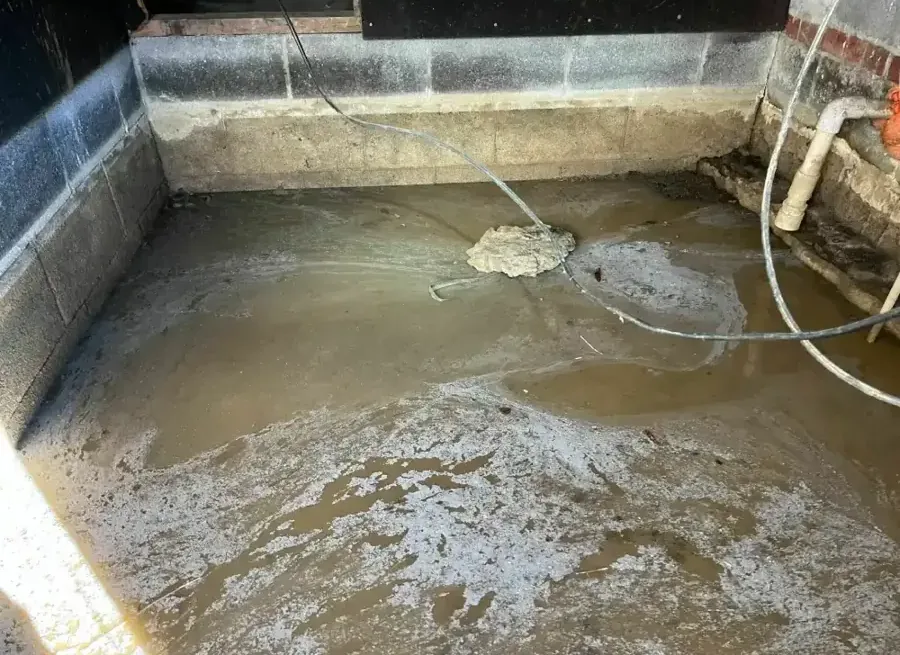
First steps for crawl space water removal
- Stay outside unsafe underfloor areas
Confined clearance and standing water can hide electrical or footing hazards. Occupants should describe the entrance from outside while professionals assess whether current conditions permit access.
- Report the apparent source
Mention active plumbing leaks, recent outdoor entry or water that returns after removal. The source investigation should accompany the cleanup plan so liquid is not collected while continuing entry remains unaddressed.
- Describe conditions in rooms above
Damp floor edges or changes near plumbing can help connect the underfloor inspection with the occupied interior. Safe photographs upstairs may provide useful context without requiring anyone to crawl beneath the home.
- Keep the entrance available
Stored items around the entrance can obstruct equipment and later checks. A dry clearance plan helps inspection proceed while the space remains untouched until hazards are assessed.
How the team handles crawl space water removal
Rapid local response
The response team prioritizes source control, safe entry and the full path of wet materials. A visible puddle is only the starting point for the assessment.
IICRC S500 drying standard
The drying technician measures affected assemblies, sets a dry reference and adjusts air movement and dehumidification to the materials that remain.
Claim-ready documentation
The mitigation file records photographs, moisture readings, removal decisions and equipment use. The property owner checks policy questions with the insurer.
Local water experts
The restoration assessment separates the water source from the damage it leaves behind. Plumbing repairs, safe electrical access and material drying each receive attention.
What does crawl space water removal cost in Wendell, NC?
Crawl space water removal in Wendell has planning ranges from $1,200 to $8,500+. Clearance, water condition, debris and wet insulation affect the amount. The estimate should separate liquid removal and structural treatment from plumbing, drainage corrections and replacement of removed underfloor materials.
Accessible localized water
$1,200 to $2,200
- Reachable underfloor pools
- Straightforward access for collection equipment
- Checks of nearby support materials
Water and wet insulation
$2,200 to $4,000
- Assessment of saturated underfloor insulation sections
- Additional access around damp supporting framing
- Drying arrangements for retained floor layers
Difficult or contaminated loss
$4,000 to $8,500+
- Restricted clearance and complex equipment access
- Controlled handling of contaminated water contact
- More extensive material treatment beneath flooring
Compare the materials, water category and wet area with the cost planning calculator. An on-site assessment defines the work and any separate repairs.
The crawl space water removal process
- 1
Establish access and water paths
Safe access comes before entry. The water path and available clearance establish where inspection of underfloor materials begins.
- 2
Collect accessible liquid
Removal is matched to the depth, debris and available clearance. The handling route accounts for water condition while protecting occupied areas from contact during equipment movement and material removal.
- 3
Inspect the overhead assembly
Wet insulation and accessible framing are evaluated after the pool is reduced. Retention and drying decisions follow actual material condition rather than assuming the disappearance of standing water resolves the structure.
- 4
Verify retained material recovery
Recorded readings identify remaining moisture and support coordination with source repairs or insulation replacement. The final scope keeps unfinished underfloor treatment visible before new material restricts access to the assembly.
An underfloor pool presents a different access problem from water in a living room. Limited clearance, electrical components and uncertain footing can make entry unsafe. The assessment first confirms the space and its approach, then identifies where liquid collects and which parts of the floor assembly above it have become wet.
Inspect the foundation space at the individual property
Homes in Wendell Falls and around Lake Myra Elementary or Hollybrook Park have to be assessed by their own construction. The presence of a crawl space is established at the affected building before a removal plan is proposed. The entrance, internal obstructions and available clearance determine how equipment can reach water beneath the occupied floor.
The source can involve plumbing or water entering from outside, and those routes require different corrective work. Removal alone may provide only temporary relief if the entry continues. The scope should identify source investigation separately from the collection of existing water and treatment of insulation or framing already affected within the space.
Consider wet insulation and the floor above
Insulation can hold water against supporting materials and obstruct inspection of the underside of the floor. Its condition and suitability for retention need assessment before drying is planned. Damp framing or floor layers may require treatment even after the low areas are pumped, so the inspection should include accessible material above the water level.
- Keep occupants outside an underfloor area containing standing water or uncertain electrical conditions.
- Describe the entrance and any known obstruction without crawling inside to measure the pool.
- Note changes in the room above, including damp floor edges that may connect with underfloor moisture.
Organize collection without treating it as completion
Water depth, debris and access determine the removal method and handling route. Once liquid is collected, retained materials still need a moisture assessment. The structural drying service explains how repeat readings and controlled conditions address moisture that remains in framing or floor assemblies after the visible pool has disappeared.
Removing a pool changes the visible ground condition, but the underside of the floor may remain damp. Inspecting both areas helps distinguish completed liquid removal from the continuing material drying or insulation work required above it.
Leave access for verification and source work
The final removal record should describe the entry route, water collected and wet materials found. Source correction and any insulation replacement need coordination with drying access. Keeping the underfloor assembly reachable until its condition has been checked supports a clearer handoff to repairs and helps avoid concealing moisture beneath newly installed material.
Review flood safety precautions before entering a wet building and EPA indoor air quality information when planning cleanup.
Crawl space water removal in Wendell
Crawl space water assessments in Wendell cover affected properties in ZIP 27591. The actual presence of an underfloor space, its entrance and current hazards determine the inspection approach before removal or drying equipment is positioned beneath the home.
The same service nearby: crawl space water removal in Smithfield, Clayton, Selma.
Related water damage services in Wendell



Crawl Space Water Removal questions in Wendell
Should someone crawl in to inspect the water?
Standing water, electrical components and limited clearance can make entry hazardous. Occupants can describe the entrance and visible conditions from outside while an appropriate assessment establishes whether and how the space can be entered.
Does every local house have a crawl space?
The foundation arrangement must be established at the affected property. The removal plan follows the space actually present, its entrance and its materials rather than assuming a construction type for a neighborhood.
Is pumping enough if the floor above looks normal?
The underside of the floor and insulation may retain moisture without an obvious upstairs symptom. Inspection and material readings determine whether drying or removal remains necessary after the accessible water has been collected.
Can wet underfloor insulation remain in place?
Its condition, contamination and effect on drying access determine the decision. Saturated insulation can hide wet supporting material, so it should be evaluated before equipment is expected to dry the floor assembly above it.
Who fixes water returning from outside?
The entry route needs assessment by the appropriate drainage or building professional. Mitigation handles the existing water and affected materials, with source correction coordinated so repeated entry does not undermine the underfloor recovery work.
What should the final removal record include?
It should identify the access conditions, source observations and material findings, alongside removal and drying work completed. Remaining repairs or insulation replacement can then be planned without concealing unresolved moisture in the supporting assembly.
Complete the work beyond the visible pool
Inspection of insulation and framing helps establish what remains after collection. A documented scope coordinates removal, drying and source correction before replacement material limits access beneath the occupied floor.