Hardwood Floor Water Damage in Benson
Raised board edges are a visible response to moisture, but they do not reveal the condition underneath. Floor assessment compares the wood, supporting layers and nearby finishes before selecting drying, removal or later refinishing.
(888) 578-4720Measure the affected wood floor- Board moisture assessment
- Subfloor comparison
- Refinishing after stabilization

First steps for hardwood floor water damage
- Remove safe surface obstructions
Move dry rugs and lightweight belongings away from the wet boards when access permits. Keep soaked items separate so they do not continue holding moisture against the finish.
- Photograph board movement before repair
Record raised edges, discoloration and gaps from a stable position. Avoid sanding, forcing boards down or covering changes before the floor and its supporting layers receive assessment.
- Describe the original water source
Explain whether the damage followed a supply release, appliance discharge or outdoor entry. Contamination and the route of contact affect whether components can remain and how cleaning proceeds.
- Identify possible access below the floor
Mention any accessible space under the affected room without entering an unsafe area. Inspection of the support layer can help distinguish surface drying from moisture retained deeper in the assembly.
How the team handles hardwood floor water damage
Rapid local response
The response team prioritizes source control, safe entry and the full path of wet materials. A visible puddle is only the starting point for the assessment.
IICRC S500 drying standard
The drying technician measures affected assemblies, sets a dry reference and adjusts air movement and dehumidification to the materials that remain.
Claim-ready documentation
The mitigation file records photographs, moisture readings, removal decisions and equipment use. The property owner checks policy questions with the insurer.
Local water experts
The restoration assessment separates the water source from the damage it leaves behind. Plumbing repairs, safe electrical access and material drying each receive attention.
What does hardwood floor water damage cost in Benson, NC?
Hardwood floor water damage in Benson may range from $1,000 to $2,000 for localized boards to $4,000 to $8,000+ for extensive or layered damage. Installation type, salvage potential, subfloor access and moisture spread influence the drying scope before refinishing or replacement costs are settled.
Localized wet boards
$1,000 to $2,000
- Concentrated board and edge assessment
- Accessible supporting layers for comparison
- Focused drying near the source
Larger salvageable floor
$2,000 to $4,000
- Broader wet area beneath furnishings
- More measurement points across boards
- Equipment arranged around retained flooring
Extensive or layered damage
$4,000 to $8,000+
- Moisture trapped in supporting materials
- Selective removal of damaged sections
- Complex drying and repair coordination
Compare the materials, water category and wet area with the cost planning calculator. An on-site assessment defines the work and any separate repairs.
The hardwood floor water damage process
- 1
Compare affected and reference materials
Map board condition and moisture across the wet boundary. Compare suitable unaffected material to interpret changes within the actual floor installation.
- 2
Assess salvage and access options
Assess contamination, permanent damage and the way the flooring is attached. Decide which sections can remain and where selective removal is needed to reach underlying wet layers.
- 3
Track controlled floor drying
Arrange suitable equipment around the retained assembly and record changes at consistent points. Recheck support materials so apparent improvement at the surface does not end the work prematurely.
- 4
Prepare the flooring repair decision
Document the stabilized condition and sections needing replacement. Plan refinishing or new flooring from those findings, with connected wall and trim repairs identified separately from wood treatment.
A cupped board tells a homeowner that the floor has changed, but the drying plan needs more information than the shape alone. Hardwood water damage in Benson should be assessed as a complete assembly. The boards, fastening or adhesive system and supporting layer can hold different amounts of moisture after the same spill.
Map the floor before choosing a repair
Inspect the wet area beside a source and compare it with suitable unaffected flooring. Measurements should account for the material and installation, with attention to seams, wall edges and fixed cabinets. A large visible patch may not be the wettest layer, particularly when water entered from beneath a finish or remained under furniture.
- Record raised board edges and gaps without forcing pieces back into their original position.
- Check thresholds where water can pass into a different floor covering or underlying material.
- Inspect accessible support layers instead of measuring only the surface that receives room airflow.
- Keep rugs and stored belongings away from the affected boards while assessment and drying proceed.
Preserve sound wood through a measured approach
The Benson Historic District includes downtown businesses and surrounding residential blocks. At a property near Preston Woodall House or Mary Duncan Public Library, the value and condition of existing finishes may matter to the owner. Salvage decisions still need to follow the particular floor's construction, water contact and response to controlled drying.
Changing the surface while the wood is still responding to moisture can complicate the final result. Drying progress and the condition of the supporting assembly should inform the refinishing discussion. Some boards may remain usable, while permanently damaged or contaminated sections can require replacement rather than aggressive surface work.
Provide access to the layer that stays wet
A floor near Wall Street may have limited edge access beneath fixed furnishings. Drying equipment needs a route to the moisture retained in the assembly, not simply open space above the boards. Targeted methods can be considered where suitable, with selective removal when damaged components or blocked access prevent an effective result.
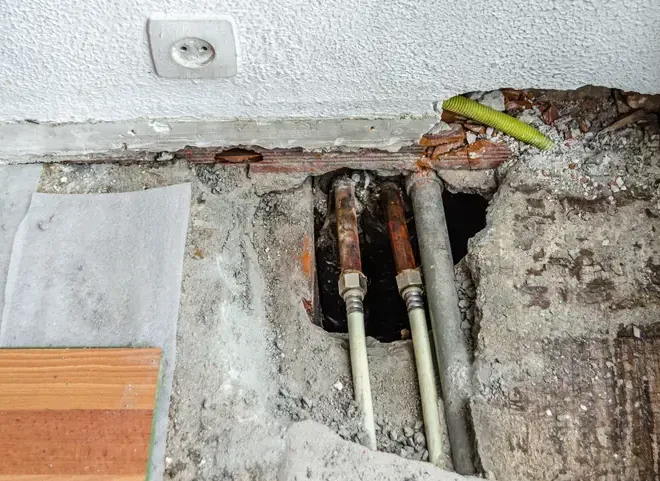
Check nearby baseboards and partitions as part of the same loss. A dry board face can sit beside a damp wall bottom, and repair work in either area should account for the other. Photographs of exposed layers help explain why the scope includes material beneath the visible finish.
Choose the next finish from the final condition
The handoff should record moisture findings, salvage decisions and areas still awaiting repair. Replacement or refinishing follows that assessment rather than a promised appearance at the outset. Where the floor damage joins other wet assemblies, structural drying keeps the broader building condition in view.
Review flood safety precautions before entering a wet building and EPA indoor air quality information when planning cleanup.
Hardwood floor water damage in Benson
Wood flooring near Main Street, in Willa Chase or within the Benson Historic District needs assessment of its actual installation. Describe board movement, the source and any access to the supporting floor from below.
The same service nearby: hardwood floor water damage in Smithfield, Dunn, Selma.
Related water damage services in Benson


Hardwood Floor Water Damage questions in Benson
Does cupping mean every board needs replacement?
No. Board shape is one part of the assessment. Moisture, contamination, installation and lasting damage determine salvage potential, with the drying response helping clarify the final repair decision for the affected floor.
Should raised edges be sanded immediately?
Sanding should wait until moisture conditions have stabilized and the floor is evaluated. Working the surface too early can create additional problems as the boards continue changing during drying of the assembly.
Why measure the subfloor separately?
The supporting layer can retain water after the exposed boards improve. Its condition affects the drying plan and later installation, so measurements should consider the complete assembly rather than the visible finish alone.
Can a rug cover the discolored area temporarily?
Keep coverings off the affected floor while moisture is being assessed. Rugs can hide changes and obstruct access or airflow, making it harder to track what remains wet beneath and around the boards.
Will drying restore the original appearance automatically?
Drying addresses retained moisture, while appearance depends on the wood's remaining condition. Staining, finish damage or permanent movement may require separate refinishing or replacement decisions after the material has been properly evaluated.
What should the flooring contractor receive afterward?
Provide the source repair history, moisture documentation and a description of removed or retained layers. That record helps the next contractor plan suitable refinishing or installation and understand any connected repairs still outstanding.
Let measurements shape the floor repair
For wet hardwood in Benson, keep the source history and photographs together. A measured assessment helps determine drying access and the right point to discuss refinishing.