Crawl Space Water Removal in Benson
Water beneath a raised floor can affect insulation and framing before a room above shows changes. The removal plan starts with safe access, identifies the source and follows the remaining moisture after the pool is cleared.
(888) 578-4720Assess the flooded underfloor area- Underfloor access assessment
- Water and insulation removal
- Framing moisture measurements
First steps for crawl space water removal
- Stay outside unsafe underfloor water
Stay outside underfloor water. Utilities and confined access require assessment before entry, retrieval of belongings or equipment movement into the affected space.
- Explain the suspected source and timing
Describe whether the water appeared with rainfall, plumbing use or an observed pipe failure. These observations help the source investigation follow the entry path beneath the building.
- Identify access and visible material changes
Report the opening location, available clearance and any wet insulation visible safely. Include unusual floor changes upstairs that may connect the occupied room with moisture held in the underfloor assembly.
- Keep removal routes clear above ground
Provide a practical route around the entrance for equipment and removed material. Avoid stacking belongings near the opening, where they can obstruct inspection or become wet during pumping and cleanup operations.
How the team handles crawl space water removal
Rapid local response
The response team prioritizes source control, safe entry and the full path of wet materials. A visible puddle is only the starting point for the assessment.
IICRC S500 drying standard
The drying technician measures affected assemblies, sets a dry reference and adjusts air movement and dehumidification to the materials that remain.
Claim-ready documentation
The mitigation file records photographs, moisture readings, removal decisions and equipment use. The property owner checks policy questions with the insurer.
Local water experts
The restoration assessment separates the water source from the damage it leaves behind. Plumbing repairs, safe electrical access and material drying each receive attention.
What does crawl space water removal cost in Benson, NC?
Crawl space water removal in Benson may range from $1,200 to $2,200 for accessible localized water to $4,000 to $8,500+ for difficult or contaminated conditions. Clearance, wet insulation, source control and framing moisture affect the scope beyond pumping alone and should be described in the estimate.
Accessible localized water
$1,200 to $2,200
- Reachable underfloor pool
- Collection and surface assessment
- Moisture checks around supports
Water and wet insulation
$2,200 to $4,000
- Additional handling of saturated underfloor materials
- Framing inspection after selective insulation removal
- Equipment addressing moisture beneath occupied rooms
Difficult or contaminated loss
$4,000 to $8,500+
- Restricted clearance and complex equipment access
- Greater contaminated material removal and cleaning
- Broader underfloor drying and condition documentation
Compare the materials, water category and wet area with the cost planning calculator. An on-site assessment defines the work and any separate repairs.
The crawl space water removal process
- 1
Assess entry and underfloor hazards
Assess the source, utilities and clearance before entry. Choose removal routes that suit the opening and surrounding ground conditions.
- 2
Collect accumulated water safely
Remove accessible pools while monitoring continued entry and the condition of nearby materials. Water type and handling needs determine how the collection and disposal arrangements fit the cleanup plan.
- 3
Evaluate insulation and retained framing
Inspect the assembly exposed after pumping and identify damaged layers needing removal. Measure supports and flooring undersides to establish which underfloor sections still require drying.
- 4
Dry and record the hidden structure
Arrange equipment for the affected underfloor sections and repeat useful measurements. Document the final condition and replacement needs before new insulation or other materials cover the inspected framing again.
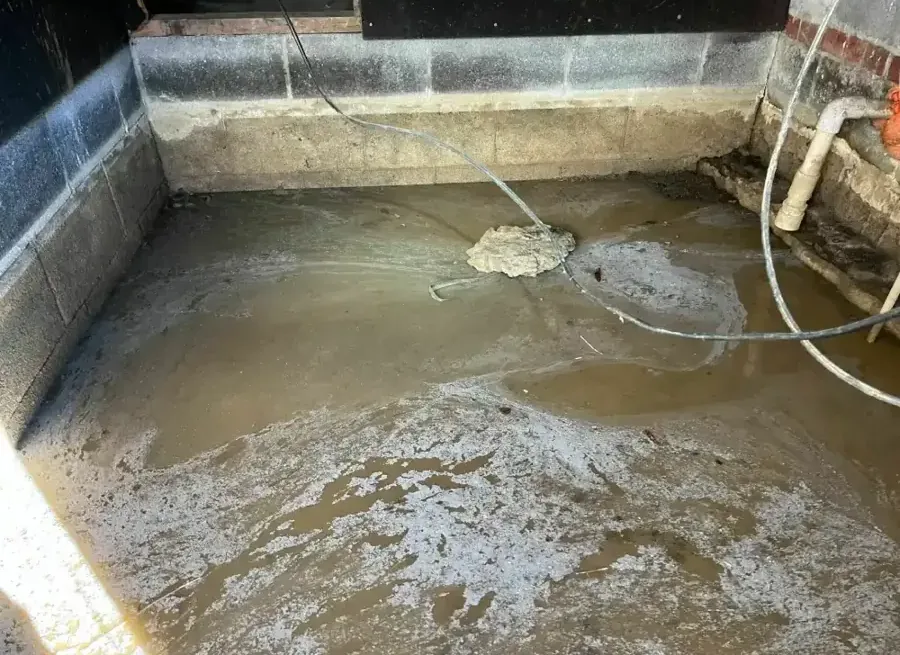
A dark pool beneath the house can be difficult to judge from the access opening. Crawl space water removal in Benson should begin with the source and entry conditions, not with someone crawling into the water. Electrical components, low clearance and damaged materials can change how the underfloor area is approached and treated.
Describe the space without entering it
Information visible from a safe position can establish the starting point: the access location, whether water continues entering and any hanging insulation or wet supports. Appropriate inspection then determines a removal method and where collected water can be handled. A confined space needs a plan for workers, equipment and the material removal route.
- Keep occupants away from the opening when standing water or exposed utilities create an unsafe approach.
- Report a suspected plumbing release separately from outdoor water entering around the building.
- Describe wet insulation and floor changes upstairs without pulling materials down from an unsafe position.
- Identify the available equipment route so removed water and debris avoid unaffected occupied areas.
Pumping reveals the condition of the assembly
Once accessible water is removed, inspect the underside of the floor and the framing that supported wet insulation. Damp materials may need selective removal or targeted drying. The visible ground surface is only part of the assessment; the floor assembly overhead can retain moisture even after the pool beneath it disappears.
Moisture measurements should extend into the affected underfloor sections rather than stopping near the entrance. Access limitations may require a different equipment arrangement or additional material removal. The final scope should explain which areas were inspected, what remained wet and how those assemblies were treated.
Keep the water source in the work plan
Benson Town Hall receives stormwater issue reports, and Public Works maintains town storm drainage structures. Report an outdoor public drainage concern separately from indoor or underfloor damage. A plumbing defect beneath the property requires its own source repair, while the cleanup addresses water and materials already affected by the release.
At a home in Willa Chase or near Main Street, the access opening and room arrangement determine how equipment reaches the wet area. Inspection should also consider any floor changes in the occupied rooms above. Those connections may expand drying beyond the visible pool to the subfloor and adjacent interior finishes.
Finish with an underfloor condition record
Document insulation removed, framing readings and any remaining source concern before replacement materials obscure the view. Structural drying addresses retained moisture after pumping and cleanup. The handoff should identify the condition below the floor as clearly as a room level restoration record would.
Review flood safety precautions before entering a wet building and EPA indoor air quality information when planning cleanup.
Crawl space water removal in Benson
For a property with a crawl space in Eastwood Subdivision, West Hale Subdivision or near Wall Street, describe the access opening and visible water. Source type, clearance and utilities determine how the underfloor assessment proceeds.
The same service nearby: crawl space water removal in Smithfield, Dunn, Selma.
Related water damage services in Benson



Crawl Space Water Removal questions in Benson
Can the homeowner enter to measure the water?
Avoid entering a wet crawl space for measurements. Electrical components, unstable material and confined access can create hazards. Describe visible conditions from a safe position so an appropriate assessment can establish the removal approach.
Does pumping finish the underfloor cleanup?
No. Insulation, framing and the underside of flooring may remain wet after accumulated water is removed. Their condition and moisture readings determine whether removal, cleaning or further drying belongs in the remaining work.
Should all hanging insulation be pulled down first?
Removal should follow a safe material assessment and access plan. Wet or damaged insulation may need replacement, but pulling it from an unsafe position can expose other hazards or spread affected material unnecessarily.
Can the room above need inspection too?
Yes. The subfloor connects the crawl space with occupied flooring, and moisture can affect that assembly. Floor changes upstairs help direct inspection of the corresponding area beneath and any related wall or finish damage.
Who handles water from a public drainage problem?
The town receives stormwater issue reports through Town Hall. Underfloor damage still needs a separate property assessment and source plan, including inspection of any plumbing or entry condition contributing to water beneath the building.
What should the final underfloor record include?
Document the areas inspected, water removed, insulation decisions and moisture condition of retained framing. The handoff should also identify source repairs and replacement materials still needed before the crawl space assembly is covered again.
Include the hidden structure in the cleanup
For crawl space water in Benson, mention any floor changes in the occupied room above. Those details help connect pumping with the assessment of retained framing moisture.