Slab Leak Water Damage in Benson
A damp seam or changing floor surface can lead to a concealed plumbing problem. The next step is a traced source and mapped moisture, followed by a plan for the wet finishes above it.
(888) 578-4720Examine moisture under the flooring- Source location first
- Layered floor assessment
- Drying before replacement
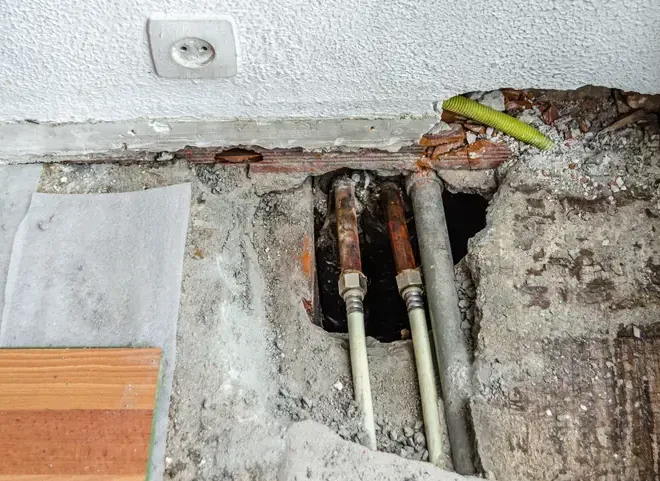
First steps for slab leak water damage
- Record the earliest floor changes
Photograph seams, lifted edges or damp baseboards from a safe location. Note when the changes appeared and whether they continued while fixtures were not being used.
- Arrange source investigation before demolition
Describe unusual water use and visible dampness to the plumbing professional. A traced source helps avoid unnecessary openings and identifies the supply section needing isolation or repair.
- Keep coverings off damp areas
Avoid placing rugs, boxes or replacement flooring over the affected surface. Additional coverings can conceal changes and obstruct access needed for moisture testing and drying.
- List nearby fixed finishes
Mention cabinets, built in storage and connected wall bases. These features may require separate inspection when the floor layers beneath or beside them have become wet.
How the team handles slab leak water damage
Rapid local response
The response team prioritizes source control, safe entry and the full path of wet materials. A visible puddle is only the starting point for the assessment.
IICRC S500 drying standard
The drying technician measures affected assemblies, sets a dry reference and adjusts air movement and dehumidification to the materials that remain.
Claim-ready documentation
The mitigation file records photographs, moisture readings, removal decisions and equipment use. The property owner checks policy questions with the insurer.
Local water experts
The restoration assessment separates the water source from the damage it leaves behind. Plumbing repairs, safe electrical access and material drying each receive attention.
What does slab leak water damage cost in Benson, NC?
Slab leak water damage in Benson may cost $1,500 to $3,000 for limited wet flooring or $6,000 to $10,000+ for extensive concealed spread. Access, removal and retained moisture shape the restoration estimate, with source location and plumbing repair considered separately.
Limited wet flooring
$1,500 to $3,000
- Localized finish and substrate checks
- Limited access to affected layers
- Drying near the traced source
Several affected assemblies
$3,000 to $6,000
- Connected flooring and partition moisture
- Additional removal around fixed finishes
- Monitoring across different installed materials
Extensive concealed spread
$6,000 to $10,000+
- Broad moisture beneath finished surfaces
- Difficult access around permanent fixtures
- Larger drying and documentation scope
Compare the materials, water category and wet area with the cost planning calculator. An on-site assessment defines the work and any separate repairs.
The slab leak water damage process
- 1
Compare the surface readings
Inspect the affected floor and surrounding dry reference areas. Record material differences so the moisture map reflects the construction rather than treating every surface as identical.
- 2
Coordinate the repair opening
Use the source investigation and damage map to plan practical access. Keep plumbing repair work distinct from removal needed to reach wet or damaged finishes.
- 3
Expose and dry retained layers
Remove unsalvageable coverings where necessary and dry the remaining structure. Reassess hidden edges around cabinets and partitions as accessible areas reveal the true moisture spread.
- 4
Confirm the substrate condition
Document the remaining assembly before new flooring is selected or installed. The handoff should identify drying results, open repair areas and any requirement needing further verification.
A floor can show the effects of a concealed leak before the failed plumbing is accessible. At a Benson property with a concrete slab, a damp floor edge, changed adhesive or swollen baseboard calls for investigation of both the source and the affected materials. Opening the floor at the wrong location can add disruption without reaching the water problem.
Locate the leak before choosing the opening
Plumbing investigation establishes where water is escaping and how the supply can be isolated. Moisture mapping answers a different question: how far the release has affected the building. These tasks inform each other, but a wet patch alone should not determine where concrete is opened or how much finish flooring is removed.
- Identify the floor covering and any layers beneath it before selecting an access or drying method.
- Check adjoining wall bases where moisture may travel beyond the room containing the suspected plumbing problem.
- Record changes around cabinets and thresholds that can hide damp adhesive or an affected sublayer.
- Keep source repair photographs with material readings so later reconstruction has an understandable starting condition.
Use water consumption as a prompt to investigate
Benson uses an AMI system to flag potential leaks when customer water use exceeds average hourly use. An unusual usage pattern can therefore prompt a plumbing check. Indoors, the restoration assessment still needs direct measurements at the affected floor and adjacent finishes, including areas that feel dry when touched from above.
A finished floor may include adhesive, underlayment and other materials over the concrete. Moisture can affect those layers differently. A practical scope identifies what is actually installed, which parts remain sound and how the remaining assembly can dry before a new finish traps moisture against the substrate.
Adapt the scope to the building in front of it
Floor layouts around Wall Street, Eastwood Subdivision and Willa Chase need inspection at the affected property. Room use, fixed cabinetry and the selected floor finish influence access and removal. Each assembly needs its own decision, with salvage based on condition and measurable drying progress rather than a broad promise to preserve every surface.
Water reaching a partition or a built in cabinet may require work beyond the slab opening. Include those connections in the assessment so the plumbing repair does not leave an isolated damp pocket beneath a fixture. Documentation should distinguish repair debris from materials removed because water affected them.
Set a clear floor replacement checkpoint
New flooring belongs on a substrate suitable for the intended installation. After the source is repaired, track moisture until the assembly meets the relevant drying target and installation requirements. If the loss also reaches wood flooring, hardwood assessment can address board movement and the subfloor condition before refinishing decisions.
Review flood safety precautions before entering a wet building and EPA indoor air quality information when planning cleanup.
Slab leak water damage in Benson
For a property in Willa Chase, West Hale Subdivision or near Main Street, describe the affected flooring and plumbing investigation already completed. Foundation access and the actual material layers determine the next restoration steps.
The same service nearby: slab leak water damage in Smithfield, Dunn, Selma.
Related water damage services in Benson



Slab Leak Water Damage questions in Benson
Does a damp floor always mean a slab leak?
No. Plumbing, appliances and other water sources can affect flooring. Source investigation and moisture mapping help distinguish the cause before the repair opening or drying scope is selected for the room.
Can the finished floor stay in place?
That depends on its condition and whether trapped moisture can be reached. Some coverings need removal to expose wet layers, while other assemblies can remain when effective drying access is available.
Why check baseboards during a floor problem?
Moisture can move into the bottom of a partition or behind trim. Testing those connections helps identify damage beyond the visible floor patch and avoids enclosing a damp wall during later repairs.
Will drying equipment repair the leaking plumbing?
No. The source needs a separate plumbing repair. Drying equipment addresses moisture already released into the structure, and its placement should follow the wet material map after the supply is controlled.
Does concrete need checking before new flooring?
Yes. The substrate must be suitable for the intended installation. Its surface appearance alone cannot show the condition beneath a covering, so the handoff should include the appropriate moisture assessment and requirements.
What should be saved from the investigation?
Keep the leak location findings, photographs of the opened assembly and moisture records. These documents connect the repaired source with affected finishes and help explain the remaining work before flooring replacement begins.
Plan the opening around the actual problem
For slab related water damage in Benson, identify nearby cabinets and walls as well as the visible patch. Connected materials can change both access and drying decisions.