Slab Leak Water Damage in Selma
Damp flooring can be the first visible part of a concealed plumbing problem. In Selma, leak testing and floor assessment work together to separate source repair from the moisture trapped in the building layers.
(888) 578-4720Discuss damp flooring over concrete- Leak testing coordination
- Floor assembly checks
- Repair access planning
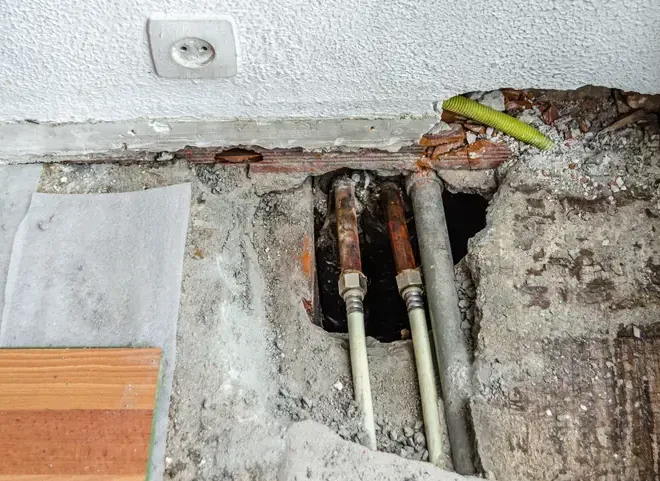
First steps for slab leak water damage
- Record the recurring damp area
Note where moisture first appears and whether it returns after surface cleaning. Photographs of the room and close views of flooring help establish the visible pattern.
- Limit unnecessary water use
A suspected active supply leak needs prompt plumbing advice. An accessible shutoff may be appropriate, but occupants should avoid unsafe areas while attempting to reach it.
- Keep floor coverings visible
Leave the affected finish available for inspection rather than covering it with rugs or storage. A concealed damp patch becomes harder to track during source investigation.
- Coordinate the access decision
Plumbing testing should inform any opening through the slab. The restoration assessment then checks the wider finish assembly so the repair scope includes damage beyond that opening.
How the team handles slab leak water damage
Rapid local response
The response team prioritizes source control, safe entry and the full path of wet materials. A visible puddle is only the starting point for the assessment.
IICRC S500 drying standard
The drying technician measures affected assemblies, sets a dry reference and adjusts air movement and dehumidification to the materials that remain.
Claim-ready documentation
The mitigation file records photographs, moisture readings, removal decisions and equipment use. The property owner checks policy questions with the insurer.
Local water experts
The restoration assessment separates the water source from the damage it leaves behind. Plumbing repairs, safe electrical access and material drying each receive attention.
What does slab leak water damage cost in Selma, NC?
Slab leak water damage costs in Selma reflect the affected flooring, hidden spread and access requirements. These ranges describe mitigation planning. Plumbing detection, pipe repair, concrete repair and replacement flooring should be identified separately in the property estimate.
Limited wet flooring
$1,500 to $3,000
- Small accessible floor damage footprint
- Checks of adjacent base finishes
- Targeted drying after plumbing correction
Several affected assemblies
$3,000 to $6,000
- Flooring and adjoining partition moisture
- Openings to expose trapped water
- Monitoring beneath connected finish layers
Extensive concealed spread
$6,000 to $10,000+
- Multiple rooms with concealed saturation
- Access around fixed interior elements
- Substantial drying and removal work
Compare the materials, water category and wet area with the cost planning calculator. An on-site assessment defines the work and any separate repairs.
The slab leak water damage process
- 1
Establish the construction
The floor system, affected rooms and source symptoms are documented before removal. Inspection distinguishes concrete access needs from moisture trapped in the finish assembly above it.
- 2
Support source correction
The plumbing investigation locates the release and determines repair access. Cleanup planning accounts for that work while protecting unaffected materials and preserving useful photographs of damage.
- 3
Expose wet interfaces
Unsuitable or obstructing materials are assessed for removal so retained layers can dry. Equipment selection follows the surfaces available for evaporation and the observed moisture pattern.
- 4
Check flooring readiness
Readings and condition checks are recorded for the repair handoff. Slab patching and floor installation need coordination with the corrected source and remaining substrate condition.
A damp patch that returns after wiping deserves investigation below the visible surface. Water may be trapped beneath the floor covering, while the leaking component remains concealed. A slab leak assessment brings those questions together without treating them as a single repair. The plumbing source needs testing, and the affected finish assembly needs its own moisture evaluation.
Use the meter as a clue for testing
The Town of Selma Water/Sewer Department repairs and replaces water meters. Unexpected meter activity can be useful information for a plumbing investigation, alongside observations about damp floors and changes in water use. The technician still needs to locate the release and identify the actual construction before deciding where an opening belongs.
For a property along Pollock Street, the first description can include which room is damp and whether the wet area changes when fixtures are unused. A careful record helps the plumbing professional choose the next diagnostic step. It also gives the restoration assessment a starting point for checking nearby baseboards, cabinets and adjoining floor finishes.
Separate access damage from water damage
Opening concrete to reach plumbing creates a repair area with its own boundaries. Water may have traveled farther beneath the finish, especially where materials connect through doorways. Conversely, the access opening can extend beyond the wettest surface. The scope should identify which removal serves plumbing access and which removal is necessary because of saturation or deterioration.
- Record the floor covering and underlying layers exposed during the plumbing investigation and access work.
- Check nearby partitions for moisture at the base where water could have moved beneath trim.
- Keep photographs of removed flooring so the repair plan reflects both existing finishes and wet areas.
Dry the assembly that remains
Anderson Street connects the depot area and downtown. In a commercial room there, an impermeable floor covering or fixed display base can restrict access to water beneath it. The drying plan needs to account for these barriers. Circulating air above the finish alone may leave the underlying layer unchanged even while the room feels comfortable.
The retained substrate needs assessment before a new covering is selected or installed. Moisture conditions, removed adhesive and the repaired access area all belong in the handoff to the flooring contractor responsible for replacement.
Close the loop between trades
Near Union Depot, a business or residence with damp flooring benefits from one record connecting source findings, removal and drying. Hardwood floor water damage may need additional material decisions where wood finishes are involved. The final plan should distinguish plumbing completion, slab repair and the readiness of retained layers for new flooring.
Review flood safety precautions before entering a wet building and EPA indoor air quality information when planning cleanup.
Slab leak water damage in Selma
Properties near Pollock Street, Anderson Street and Union Depot can describe access using those location references. The assessment identifies the actual floor construction at the building before planning a plumbing opening or floor drying method.
The same service nearby: slab leak water damage in Smithfield, Clayton, Benson.
Related water damage services in Selma



Slab Leak Water Damage questions in Selma
Does meter movement locate the damaged pipe?
Meter activity can support a leak investigation, but locating the release requires plumbing assessment. The affected room and actual pipe arrangement determine where further testing or access is appropriate.
Can flooring stay in place during the work?
That depends on deterioration and access to wet layers. Some finishes obstruct evaporation from below, so the decision should consider the whole assembly rather than its visible surface alone.
Who addresses the water meter itself?
The town water and sewer department repairs and replaces meters. A concern about meter operation can be directed there while a plumbing professional investigates the building's suspected water release.
Why inspect cabinets beside a damp floor?
Water beneath flooring can collect along fixed bases and nearby partitions. Those materials may remain wet after the central floor dries, making them important locations for inspection and monitoring.
Will plumbing access include all damaged flooring?
The opening needed to reach a pipe and the wet footprint can have different boundaries. Documentation should show both so the cleanup and reconstruction scopes explain their separate purposes.
What should happen before new flooring is installed?
The source repair, concrete access repair and retained substrate need check. Moisture records help the flooring contractor evaluate installation conditions and identify any remaining preparation needed for the selected finish.
Bring the hidden leak and floor damage together
A clear scope separates plumbing access from damaged finish removal. That distinction helps organize drying, slab repair and the eventual replacement of flooring after the source has been addressed.