Crawl Space Water Removal in Selma
Water below a floor can be difficult to see and harder to reach safely. Selma crawl space cleanup assesses the access, source and discharge route before removing pools and checking the surrounding underfloor materials for moisture.
(888) 578-4720Discuss the underfloor water conditions- Confined access check
- Discharge planning
- Floor framing checks
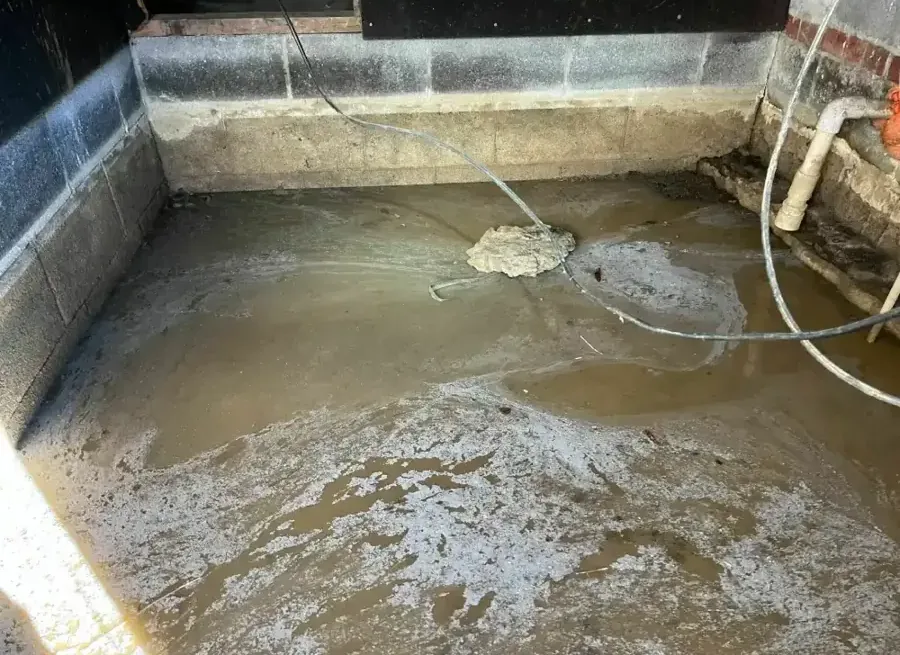
First steps for crawl space water removal
- Avoid entering the wet space
Confined movement and electrical equipment can make underfloor access unsafe. Occupants should describe what is visible from a safe opening instead of entering pooled water.
- Record any continuing accumulation
Note whether water appears after rainfall, plumbing use or another observable change. These details help the source investigation without requiring an assumption about the cause before the space has been inspected.
- Identify the existing access point
Describe the opening location, obstructions and known utilities to the assessor. Safe equipment movement depends on the actual route into the space and any restrictions near the property entrance.
- Keep discharge planning visible
Ask for the removal scope to identify how extracted water and wet materials will leave the area. That plan should account for the building, access conditions and the water's observed condition.
How the team handles crawl space water removal
Rapid local response
The response team prioritizes source control, safe entry and the full path of wet materials. A visible puddle is only the starting point for the assessment.
IICRC S500 drying standard
The drying technician measures affected assemblies, sets a dry reference and adjusts air movement and dehumidification to the materials that remain.
Claim-ready documentation
The mitigation file records photographs, moisture readings, removal decisions and equipment use. The property owner checks policy questions with the insurer.
Local water experts
The restoration assessment separates the water source from the damage it leaves behind. Plumbing repairs, safe electrical access and material drying each receive attention.
What does crawl space water removal cost in Selma, NC?
Crawl space water removal costs in Selma depend on access, water condition and wet materials above the pool. A reachable localized area differs from extensive water beneath insulation. The estimate should explain pumping, material handling, drying and any separate source correction work.
Accessible localized water
$1,200 to $2,200
- Pooling near usable access opening
- Defined equipment and discharge route
- Inspection of nearby underfloor surfaces
Water and wet insulation
$2,200 to $4,000
- Wet insulation needing removal assessment
- Water beneath connected floor areas
- Broader framing and drying checks
Difficult or contaminated loss
$4,000 to $8,500+
- Restricted movement or contaminated water
- Difficult handling beneath existing structure
- Extensive retained material drying needs
Compare the materials, water category and wet area with the cost planning calculator. An on-site assessment defines the work and any separate repairs.
The crawl space water removal process
- 1
Assess entry and source conditions
Access constraints, utility concerns and visible water paths establish the starting conditions. Continuing entry determines how pumping and source correction should proceed beneath the building.
- 2
Pump through a defined route
A suitable discharge arrangement carries extracted water away. Controlled equipment movement protects clean areas while improving visibility of surfaces previously hidden beneath the pool.
- 3
Inspect insulation and framing
Saturated insulation receives a condition assessment. Exposed framing and supporting floor layers are checked for moisture, including interfaces that need additional access before drying can progress.
- 4
Document underfloor recovery
The handoff connects source observations with retained material conditions and removed insulation. Remaining repairs are identified before replacement layers make the lower structure harder to inspect.
A crawl space pool hides beneath the rooms where occupants notice the effects. Removal needs more than a pump lowered through an opening. The space may contain electrical components, restricted movement and materials that have absorbed water above the pool. A safe assessment establishes how personnel and equipment can reach the area and where extracted water can be discharged appropriately.
Identify what is feeding the pool
The Selma Mill buffer site's unnamed tributaries flow directly to Mill Creek, and the site receives runoff from nearby pastures. At a property with water beneath the floor, the assessment should trace the actual source. Plumbing leakage, outdoor entry and continuing accumulation lead to different correction tasks even when the standing water looks similar.
Photographs from an accessible opening can help establish visible conditions, but occupants should avoid entering a wet confined space to collect details. The inspector needs information about the access location, any known utilities and whether water returns after removal. Those observations help organize safe entry and source investigation.
Plan removal around the building above
For a home near Pollock Street, pumping routes should avoid carrying dirty equipment through clean interior rooms whenever practical. The discharge arrangement needs consideration before pumping begins. Sending extracted water into a location where it can return beneath the same building would leave the original problem unresolved.
- Inspect insulation that touches water or hangs below the floor for saturation and loss of condition.
- Check exposed framing and the underside of floor layers after pooling no longer obscures access.
- Document water marks and entry openings so the source repair discussion remains connected to the cleanup findings.
Assess the wet materials above the cleared ground
North Carolina Highway 96 provides another location reference leading from the town center. At an affected building, the construction present beneath the floor determines what needs drying. Wet insulation can hide moisture against framing, and enclosed interfaces may respond slowly even after the ground no longer holds a visible pool.
Removing liquid improves access and reduces standing water. It does not describe the condition of wood, insulation or supporting floor layers. Those materials need inspection and a practical route for drying or removal.
Connect the lower space with room repairs
Hardwood floor damage above a wet crawl space may require coordinated assessment of both sides of the assembly. The final scope should record source correction, removed insulation and retained framing conditions so later work addresses the floor system as a connected structure.
Review flood safety precautions before entering a wet building and EPA indoor air quality information when planning cleanup.
Crawl space water removal in Selma
Properties near Mill Creek, Pollock Street and North Carolina Highway 96 should describe any existing underfloor access. Inspection considers the actual space beneath the building, including entry restrictions and the safest route for pumping equipment and removed materials.
The same service nearby: crawl space water removal in Smithfield, Clayton, Benson.
Related water damage services in Selma



Crawl Space Water Removal questions in Selma
Should an occupant crawl in to find the source?
A wet confined space can contain utility and access hazards. Observations from a safe opening are useful, while entry and source tracing should follow an appropriate assessment of the actual conditions.
Does pumping alone resolve underfloor water damage?
Pumping removes the pool, but insulation, framing and floor layers may remain wet. Their condition needs inspection and drying or removal decisions after the water no longer blocks access.
Why decide the discharge route before pumping?
Extracted water needs a suitable destination that will not feed the same problem again. Access, water condition and the surrounding property arrangement should be considered before equipment starts removing the pool.
Can wet insulation remain beneath the floor?
Its saturation, condition and contact need assessment. Insulation can conceal moisture against framing, so retention depends on whether the surrounding assembly can be appropriately cleaned, accessed and dried.
Should the rooms above also be inspected?
The floor assembly connects the crawl space to occupied rooms. Visible floor changes or moisture readings above can help identify damage that needs coordinated assessment from both sides of the structure.
What information belongs in the final repair record?
Source observations, removed insulation and retained framing conditions help explain the work. The record should also identify any remaining entry correction or inaccessible wet area before replacement materials close the space.
Clear the pool and assess the floor structure
A complete removal plan connects discharge, wet insulation and retained framing. That assessment prepares the underfloor area for drying and the repairs needed to prevent another accumulation.