Sewage Backup Cleanup in Selma
Wastewater rising through a drain changes the building's access rules. Selma sewage cleanup establishes the contacted area, coordinates source investigation and removes unsuitable materials before retained surfaces move into cleaning and drying.
(888) 578-4720Discuss wastewater inside the building- Restricted access
- Controlled removal
- Drain source coordination

First steps for sewage backup cleanup
- Keep the area closed
Avoid contact with wastewater and wet finishes. Occupants and pets should remain outside the rooms while the source and cleanup boundary are assessed by appropriate professionals.
- Limit further drainage use
Report the fixtures involved and any continuing rise to the plumbing professional. Further water use may worsen a backup, so the building's immediate usage needs should be discussed.
- Document from a safe position
Photographs can record affected belongings and the contact boundary without entering contaminated water. Preserve receipts and item descriptions for later loss discussions before removal changes the room layout.
- Identify separate access routes
Describe usable doors and occupied areas so cleanup can be organized around a controlled removal path. Businesses should also identify who can authorize entry and coordinate temporary access restrictions.
How the team handles sewage backup cleanup
Rapid local response
The response team prioritizes source control, safe entry and the full path of wet materials. A visible puddle is only the starting point for the assessment.
IICRC S500 drying standard
The drying technician measures affected assemblies, sets a dry reference and adjusts air movement and dehumidification to the materials that remain.
Claim-ready documentation
The mitigation file records photographs, moisture readings, removal decisions and equipment use. The property owner checks policy questions with the insurer.
Local water experts
The restoration assessment separates the water source from the damage it leaves behind. Plumbing repairs, safe electrical access and material drying each receive attention.
What does sewage backup cleanup cost in Selma, NC?
Sewage backup cleanup costs in Selma depend on the contact area, porous materials and controlled removal needs. A contained room differs from wastewater beneath connected finishes. Drain repair and replacement construction should be distinguished from the contamination cleanup and drying estimate.
Limited contaminated room
$1,500 to $3,000
- Wastewater within an accessible room
- Removal and suitable surface cleaning
- Limited porous material disposal decisions
Connected contaminated areas
$3,000 to $5,000
- Contact through connected indoor areas
- Broader removal and access controls
- Concealed surfaces needing cleaning access
Extensive sewage contact
$5,000 to $12,000+
- Widespread contamination of indoor materials
- Substantial porous finish removal needs
- Complex drying and reconstruction handoff
Compare the materials, water category and wet area with the cost planning calculator. An on-site assessment defines the work and any separate repairs.
The sewage backup cleanup process
- 1
Define contact and source symptoms
Inspection records the discharge locations, affected materials and drainage observations. Public system reporting and building plumbing investigation proceed alongside planning for the contaminated interior cleanup.
- 2
Remove wastewater safely
Extraction and material handling occur within a controlled work area. The removal route limits contact with otherwise clean rooms, usable entrances and unaffected stored contents.
- 3
Expose and clean structure
Unsuitable porous finishes are removed as needed to reach retained surfaces. Cleaning addresses the accessible assembly before equipment circulates drying air through the affected space.
- 4
Check retained material conditions
Drying measurements and the cleanup record support the repair handoff. The owner receives a clear distinction between drainage correction, completed removal and remaining reconstruction needs.
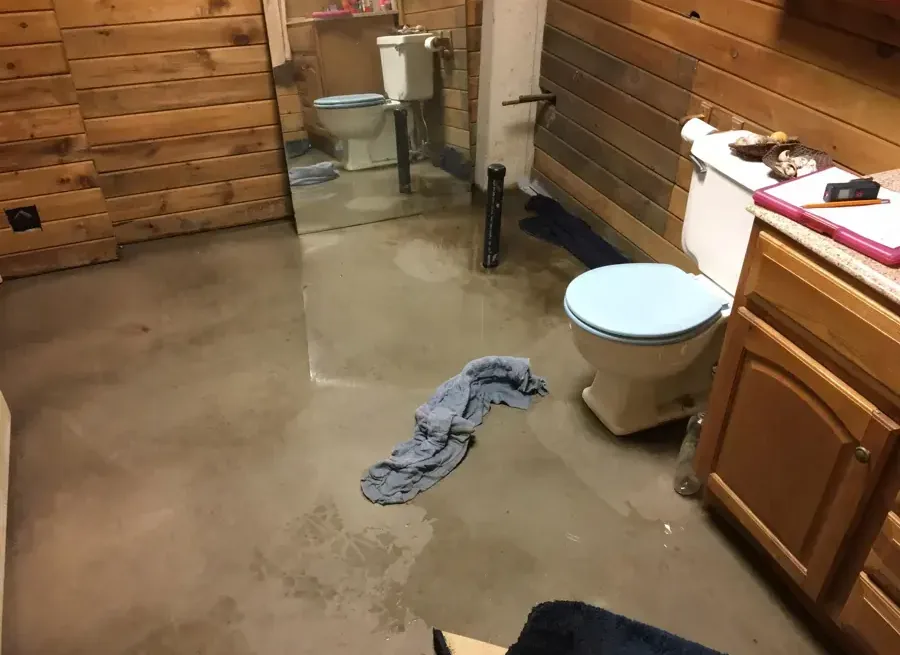
A sewage backup is a contact problem as well as a water problem. Wastewater can reach absorbent finishes, stored belongings and routes through occupied rooms. Closing off the affected area helps limit further spread while the drain condition is investigated. Cleanup needs to track where the discharge touched materials, including places where the water later receded.
Report drainage symptoms and assess the interior separately
The Town of Selma Water/Sewer Department maintains wastewater collection and sewer lift stations, with crews on call around the clock. A suspected public system issue should be reported to that department. A plumbing professional can investigate the building symptoms while restoration assesses the contaminated interior and organizes controlled removal.
The report should describe which fixtures backed up, whether water is still rising and where it entered occupied space. Those details help direct the source investigation. The cleanup scope should remain specific about actual indoor contact rather than assume that stopping the drain problem also resolves saturated flooring or wall finishes.
Build a clean route around the contaminated rooms
Downtown Selma Historic District covers the historic commercial area. A backup in a business there may affect stock and customer circulation as well as the structure. Work boundaries should identify the removal route, usable entrances and any occupied areas that need separation before contaminated materials leave the room.
- Keep children, pets and unprotected occupants away from wastewater and the surfaces it has contacted.
- Record affected belongings before disposal decisions so the loss documentation retains their original location and condition.
- Avoid moving fans or contents through contaminated water into rooms that have remained clean.
Choose materials by cleanability and condition
In the residential West Selma Historic District, carpet, wallboard and fixed cabinetry require individual assessment after sewage contact. Porous finishes that cannot be suitably cleaned may need removal. Sound structural surfaces can then be reached for cleaning, with attention to corners and interfaces hidden by the removed materials.
A room assessment needs the contact map, removal record and condition of retained surfaces. Covering a smell or clearing the visible pool leaves unanswered questions about contamination beneath finishes and inside adjoining assemblies.
Dry only after the cleanup sequence is ready
Along Anderson Street, commercial access can change as work progresses. The plan should keep clean circulation separate while structural drying addresses the retained building materials. Drain correction, cleaning and material drying each need a clear place in the handoff for reconstruction.
Review flood safety precautions before entering a wet building and EPA indoor air quality information when planning cleanup.
Sewage backup cleanup in Selma
The downtown historic district contains commercial buildings, while West Selma Historic District is primarily residential. A backup near either district or Anderson Street needs access details that keep occupants separate from the contaminated rooms and removal route.
The same service nearby: sewage backup cleanup in Smithfield, Clayton, Benson.
Related water damage services in Selma


Sewage Backup Cleanup questions in Selma
Who handles a suspected public sewer issue?
The town water and sewer department maintains wastewater collection. Report suspected public system concerns there while a plumbing professional assesses building symptoms and restoration addresses the indoor contact area.
Can the room be used after water recedes?
Surfaces can remain contaminated after the pool disappears. Access should stay controlled until contact, cleaning and material conditions have been assessed for the affected room and its entry route.
Should wet carpet be moved into another room?
Moving sewage contacted materials can spread contamination. Their assessment and removal need a controlled route instead of temporary storage beside clean belongings or in an otherwise usable living area.
Does removing the odor finish the cleanup?
Odor changes do not describe concealed surface conditions. Completion depends on the contact assessment, material removal decisions, cleaning and the state of retained assemblies that will remain in the building.
When is drying equipment appropriate after a backup?
Suitable cleaning and removal come first. The retained structure then needs drying access and monitoring, with the work area kept separate from occupied spaces as the job progresses.
What records help explain the repair scope?
Photographs, contact boundaries and a list of removed materials connect the original backup with later construction needs. Drainage findings and drying records help show which tasks have been completed.
Prepare the contaminated space for proper repair
The recovery sequence moves through removal, cleaning and retained material drying. A documented plan keeps those tasks connected while the drainage cause receives separate professional attention.